


The AMR autonomous robot helps factories automate internal transport without major layout changes. This article analyzes its operation, applications, benefits, scenarios where it may not be suitable, and the implementation process.
AMR (Autonomous Mobile Robot) is a type of robot that moves independently within a factory, autonomously mapping, pathfinding, and obstacle avoidance to transport raw materials, semi‑finished or finished products. For manufacturing plants, AMR replaces repetitive manual pallet pushing, reduces labor dependency for transport tasks, and keeps material flow between production stages more stable.
The feature that attracts many plants is AMR's flexible deployment: no need for magnetic tape, no floor excavation, and routes can be updated via software when the line layout changes. This article explains how AMR works, common applications, real benefits, situations where investment may not be wise, and the implementation process for manufacturing enterprises.
What is an AMR and how does it differ from AGV?
An AMR is a mobile robot that self‑locates using sensors such as LiDAR, cameras, and ultrasonic sensors, combined with simultaneous localization and mapping (SLAM) algorithms. The robot scans the factory space, builds a digital map, and then calculates optimal paths between pickup and drop‑off points.
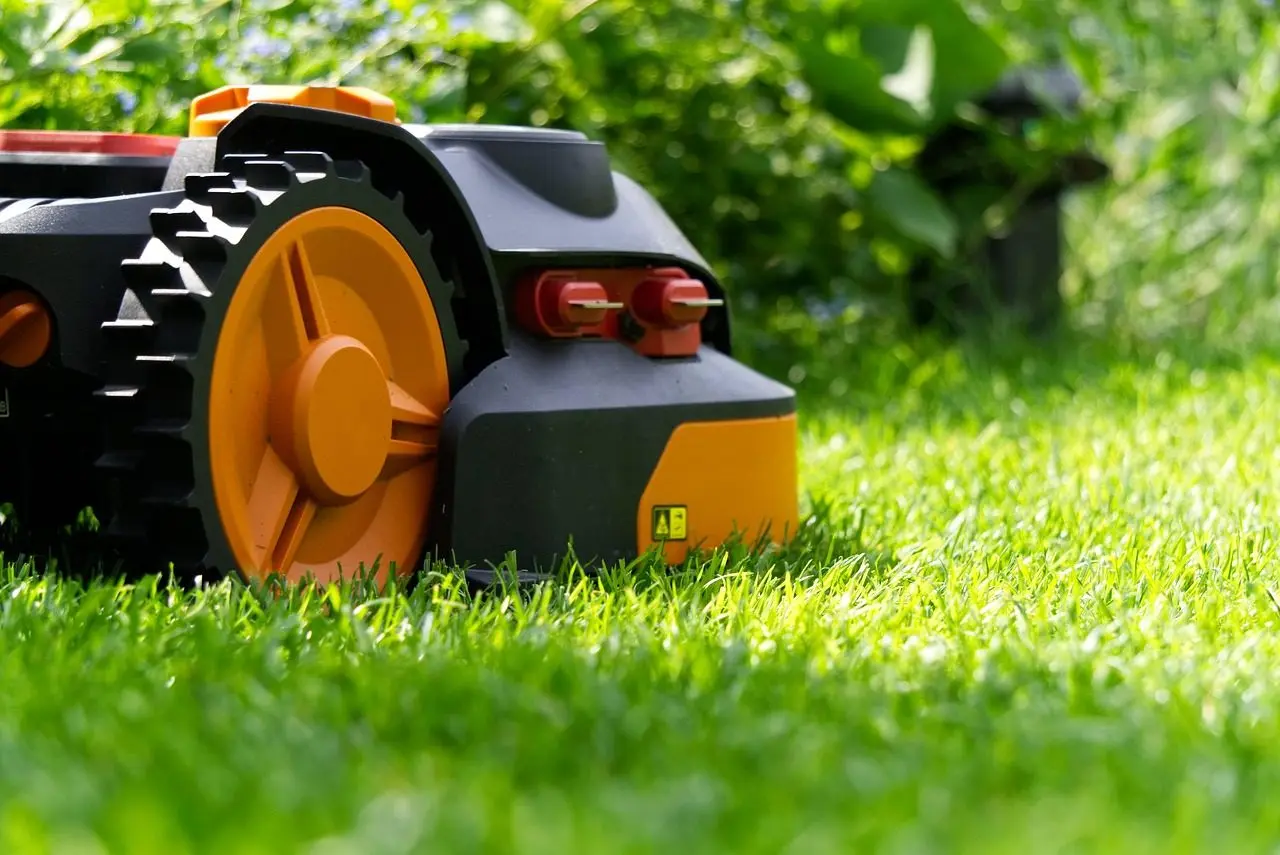
An AGV (Automated Guided Vehicle) is also an autonomous vehicle but typically follows fixed paths such as magnetic tape, painted lines, or floor‑sticker QR codes. The core difference lies in flexibility:
- Navigation: AGVs follow predetermined routes, whereas AMRs autonomously plan routes and can detour when encountering obstacles.
- Obstacle handling: AGVs usually stop and wait, while AMRs proactively avoid people, forklifts, or mis‑placed pallets.
- Reconfiguration: AGVs require physical path re‑laying, whereas AMRs only need map and stop‑point updates via software.
- Suitability: AGVs suit fixed routes, heavy loads, repetitive tasks; AMRs are better for changing environments, with people and mixed traffic.
In practice, many plants combine both types by area rather than choosing a single solution for the entire facility.
Applications of AMR in Manufacturing Plants
AMRs excel in repetitive transport tasks over moderate distances and high frequency. Below are common applications in manufacturing environments.
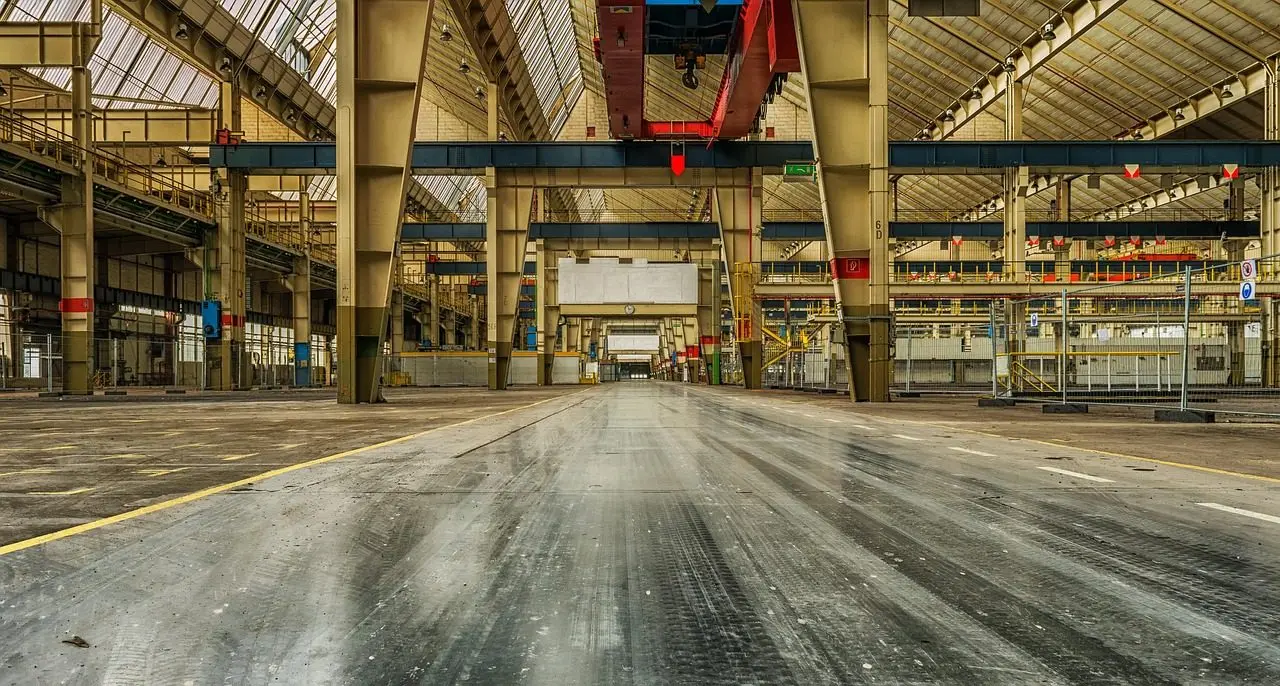
Feeding the Production Line
The robot retrieves components or raw materials from the warehouse or transfer area and delivers them to each work station on schedule or on demand. This allows operators to stay at the machine without leaving to fetch parts, reducing line stoppages due to material shortages.
Transporting Semi‑Finished Products Between Processes
In electronics, mechanical, or apparel factories, semi‑finished items often move through multiple machining areas. AMRs can handle these legs, linking discrete stages into a smoother flow.
Delivering Finished Goods to Storage and Collecting Scrap
After packaging, finished products are transported by AMR to the storage or dispatch area. The robot can also collect empty containers, trays, or scrap to return them to designated locations, keeping the production floor tidy.
Integrating with Production Management Systems
When integrated with MES, WMS, or ERP, AMRs receive automated transport orders based on real‑time production progress. Data on each shipment is recorded, enabling traceability and bottleneck analysis in material flow.
Benefits of Deploying AMR in the Factory
The biggest benefit of AMR is freeing labor from low‑value transport tasks so they can focus on production operations and quality inspection. Additionally, businesses gain further value:

- Stable production rhythm: Robots operate on a consistent schedule, can work multiple shifts, reducing variability due to staff shortages or shift changes.
- Enhanced workplace safety: Reduced frequency of forklifts and pallet jacks moving in crowded areas; AMR has safety sensors to slow down or stop when detecting people.
- Flexibility when changing products: When reconfiguring lines, only map and task updates are needed in software.
- Phase‑by‑phase scaling: Start with a small number of robots on a pilot line, then add more once effectiveness is proven.
- Data transparency: The robot fleet management system records time, distance, and trips, enabling decision‑making based on real data.
The specific level of benefit depends on the plant’s characteristics, material flow scale, and integration approach. Therefore, companies should assess based on real operational data rather than generic expectations.
When Not to Deploy AMR
AMR is not suitable for every plant at all times. Certain scenarios warrant careful consideration or additional preparation before investing:
- Uneven floors with slopes, grooves, or frequent dampness and slipperiness, without renovation plans.
- Very low transport volume and low frequency, causing the robot to spend most of its time idle.
- Goods that are too large, heavy, or oddly shaped, exceeding the robot’s payload and lifting capabilities.
- Narrow aisles frequently occupied by temporarily stored goods without clear 5S guidelines.
- Unstandardized production processes with constantly changing pickup and drop‑off points, lacking regularity.
In such situations, prioritize process and floor standardization first, then introduce robots to avoid wasted investment.
Implementation Process for AMR in the Factory
A successful AMR project typically progresses from assessment to operation, with close collaboration between the supplier and the production team.
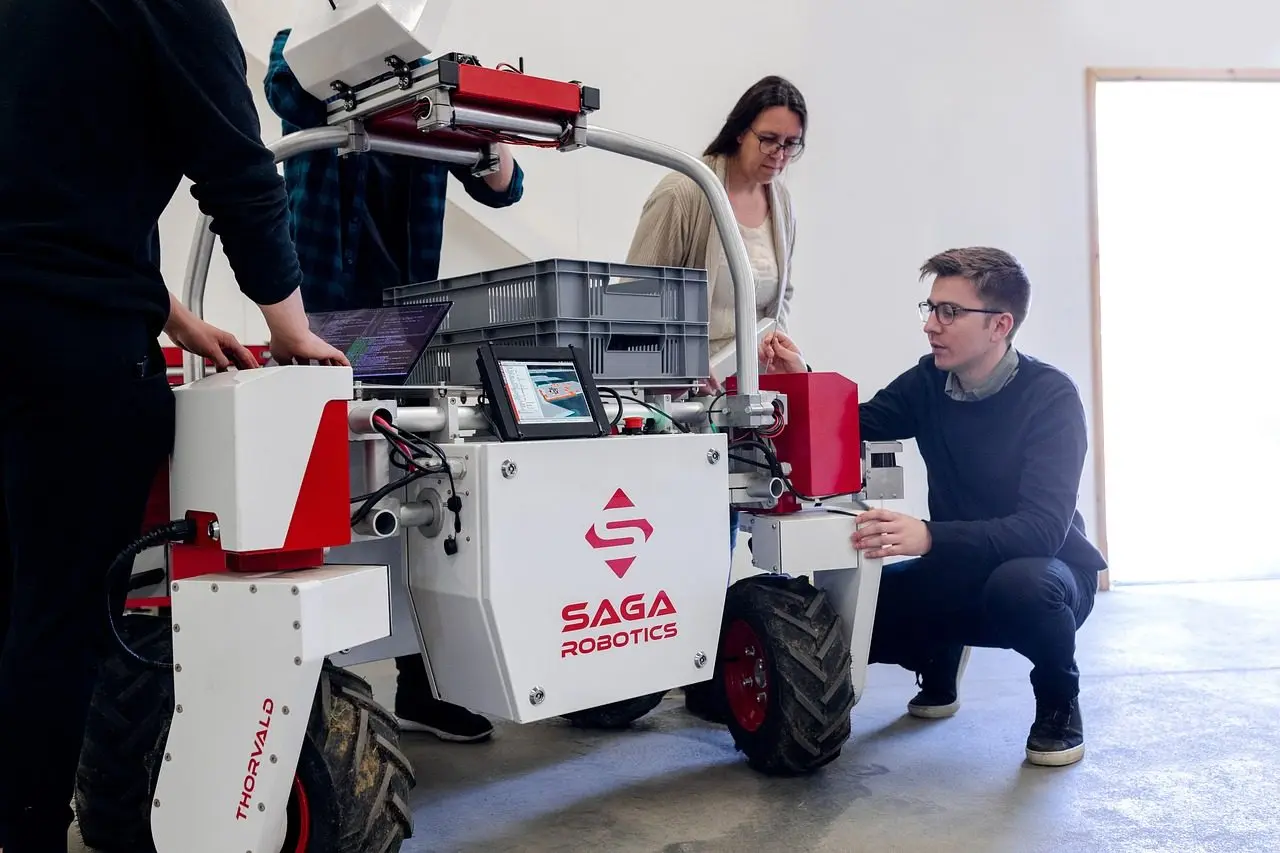
- Current‑state assessment: measure floor space, evaluate floor, aisles, record material flow, frequency, and load weight.
- Define the problem and evaluation metrics: select priority routes, set specific goals such as trips per shift, material wait time, and staff relocation.
- Solution design: choose robot type, payload, lifting mechanism or conveyor, number of robots, charging station locations, and integration strategy.
- Pilot: run trials on a single line, collect data, adjust maps, speeds, priority rules, and safety zones.
- Training and scaling: instruct operators and technicians on working with robots and handling basic issues; then expand to other areas.
- Operations and maintenance: monitor performance, perform routine battery, wheel, and sensor maintenance, and update software.
Choosing a Supplier for AMR
Selecting the right partner is as critical as choosing the right robot, because long‑term effectiveness depends on integration capabilities and post‑deployment support. Companies should evaluate partners on their on‑site assessment skills, connectivity with existing systems, warranty policies, technical response times, and spare‑part availability.
DIGICORP Corporation provides autonomous robots and intelligent automation solutions for businesses, offering comprehensive support from consulting and deployment to operation, helping plants optimize performance and achieve sustainable growth. The DIGICORP team serves customers in Ho Chi Minh City, Hanoi, and Bac Ninh, ready to assess current conditions and propose solutions tailored to each line.
If your plant is considering deploying AMR, contact DIGICORP at Hotline 0912345678, Email contact@digicorp.vn, or visit the office at 36 Tran Duy Hung Alley, Yen Hoa Ward, Hanoi for detailed consultation.