

This article explains how automated goods transport robots work in manufacturing plants, the common robot types, practical benefits, implementation steps, and the scenarios businesses should consider before investing.
An automated goods transport robot is a driverless moving device that delivers raw materials, semi‑finished and finished products between areas in a factory according to a programmed or self‑calculated route. For manufacturing plants, this solution reduces reliance on manual carts and forklifts operated by personnel, maintaining a stable material‑supply rhythm for the production line. The article below outlines how the robots work, the common types, benefits, implementation process, and key considerations before investing.
How Automated Goods Transport Robots Operate
The robot receives transport orders from the dispatch system, determines its position within the facility, then moves to the pick‑up and drop‑off points. The entire process runs automatically, with operators mainly supervising and handling exceptions.
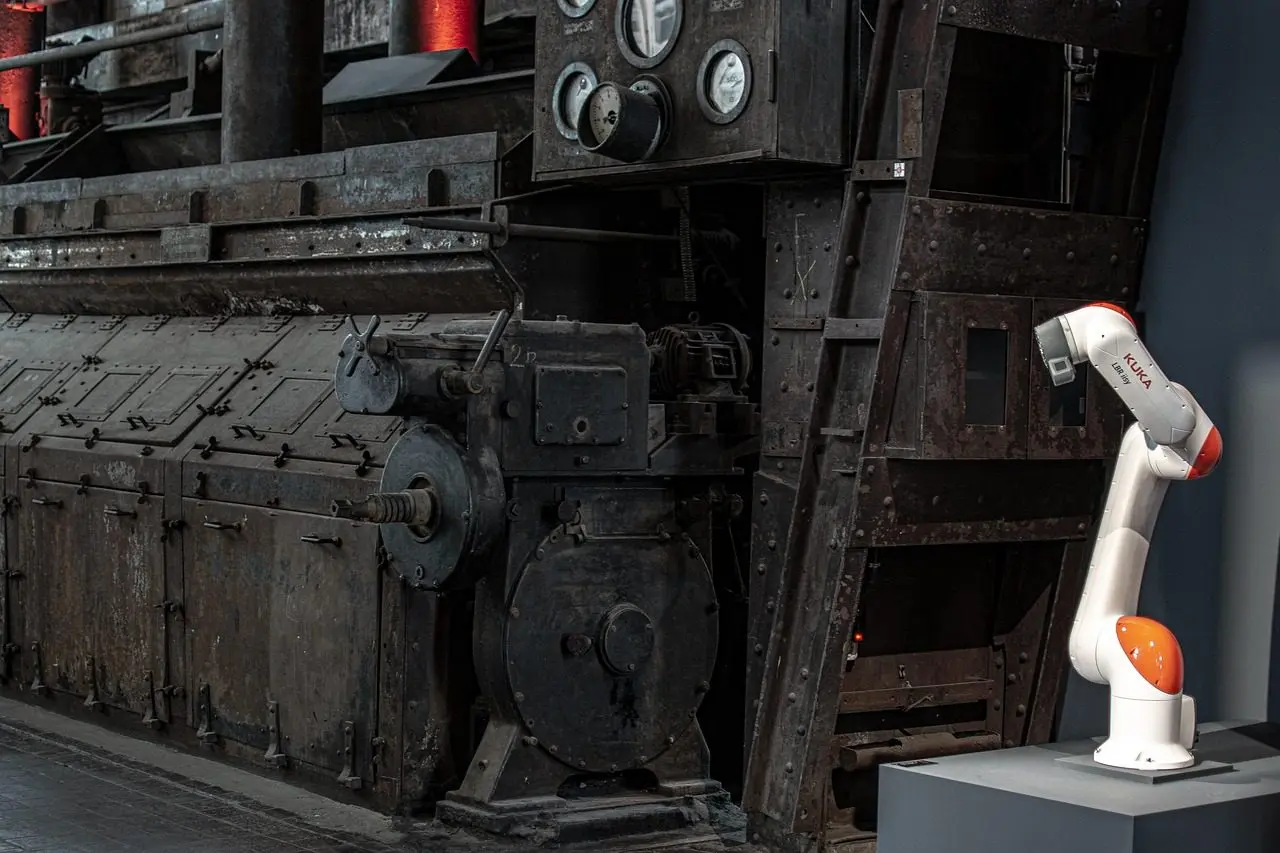
A typical system consists of three main components:
- Robot body: chassis, motor, battery, lifting or towing mechanism, together with sensors such as LiDAR, camera, collision sensors.
- Navigation and positioning system: may use magnetic tape, floor‑mounted QR codes, laser reflectors or a digital map generated from sensors (SLAM).
- Dispatch software: assigns tasks to each robot, manages traffic when multiple units operate, and connects to manufacturing execution or warehouse management systems.
When encountering obstacles, the robot will slow down, stop, or reroute depending on its technology. If the battery is low, the robot can autonomously return to a charging station without human intervention.
Common Types of Transport Robots in Factories
Each robot type suits different goods and floor layouts. Choosing the right type from the start prevents incompatibility with existing processes.
Fixed‑Path AGV
AGV (Automated Guided Vehicle) follows a predefined route using magnetic tape, guide lines, or floor QR codes. This type is suitable for factories with repetitive transport routes and little layout change. The drawback is that any layout modification requires re‑programming the path.
Intelligent Autonomous Mobile Robot (AMR)
AMR (Autonomous Mobile Robot) uses digital maps and sensors to plan its own routes, flexibly avoiding people and obstacles. AMRs are suitable for environments with high foot traffic or frequently changing processes. Adding new stop points usually only requires a software update.
Towing Robots, Shelf‑Lifting Robots, and Automated Forklifts
- Towing robot: pulls a convoy of carts, suitable for line feeding multiple stations.
- Shelf‑lifting robot (lifting): slides under a rack or pallet and lifts it for transport, commonly used in assembly areas and component warehouses.
- Automated forklift: handles heavy pallets, lifts them onto high racks, suitable for inbound/outbound zones and finished‑goods storage.
Benefits of Introducing Transport Robots into Manufacturing Plants
The most obvious benefit is a stable, predictable transport rhythm, reducing line interruptions caused by material waiting. Additionally, companies gain more data to manage material flow more accurately.
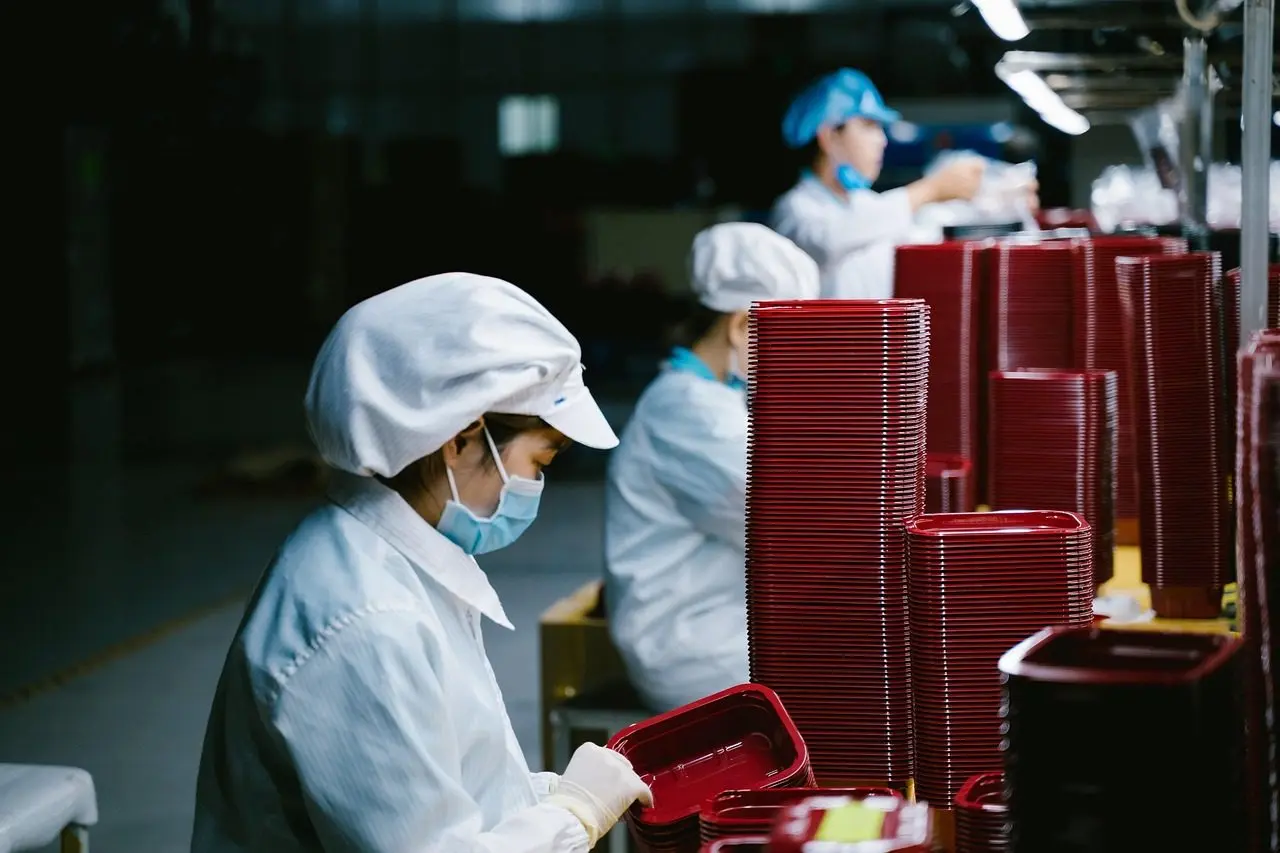
- Labor liberation: workers shift to skill‑based tasks such as quality inspection and machine operation instead of shuttling goods.
- Improved safety: reduces heavy lifting and forklift‑person collisions in narrow aisles.
- Error reduction: goods are delivered to the correct station at the right time per system orders, minimizing material‑code mix‑ups.
- Continuous operation: robots can run across multiple shifts, fitting three‑shift plants.
- Data transparency: each transport trip is recorded, enabling bottleneck analysis and floor‑layout optimization.
The actual efficiency level depends on the plant’s size, layout, and process standardization. Therefore, businesses should evaluate based on their own real data rather than generic figures.
Implementation Process for Automated Goods Transport Robots
Effective deployment starts with a thorough survey of current material flow, followed by selecting the robot and software. Skipping this step often leads to choosing the wrong equipment type or quantity.
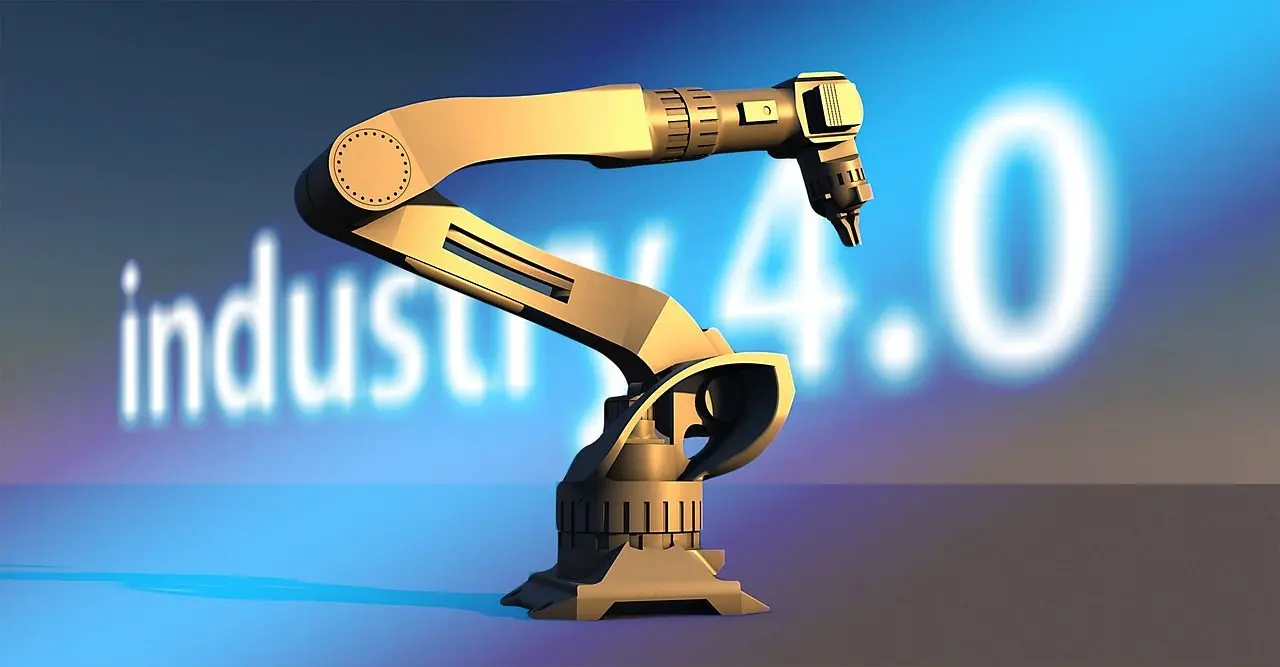
- Current state survey: record transport routes, frequency, volume and size of goods, aisle width, floor flatness, and Wi‑Fi coverage areas.
- Define priority problems: select a few high‑frequency, repetitive routes for a pilot.
- Solution selection: determine robot type, payload, positioning method, and appropriate fleet size.
- Prepare floor and infrastructure: install charging stations, hand‑off points, warning signs, and improve flooring if needed.
- System integration: connect dispatch software with manufacturing, warehouse, automatic doors, or elevators.
- Pilot run and training: operate in parallel, fine‑tune routes, train staff on safety and troubleshooting.
- Scale and optimize: use pilot data to expand to other areas.
Considerations and Situations Not Yet Ready for Investment
Robots are not the right choice for every plant at every moment. Certain conditions should be honestly assessed before deciding.

- Unstable processes: if material flow changes continuously and is not standardized, standardize the process before automating.
- Low transport volume: when there are few trips per shift, the investment cost may not justify the benefits.
- Limited floor space: uneven floors, steep slopes, overly narrow aisles, or many mobile obstacles need remediation first.
- Specialized goods: items with irregular shapes, fragile, or requiring delicate manual handling that need custom fixtures.
- Weak network infrastructure: intermittent Wi‑Fi directly impacts coordination capability.
Additionally, companies should account for long‑term operating costs such as maintenance, battery replacement, software updates, and supervisory staff. A clear periodic maintenance plan ensures stable robot operation and extends equipment lifespan.
DigiCorp Partners in Deploying Robots for Factories
DigiCorp provides autonomous robots and intelligent automation solutions for businesses, offering end‑to‑end support from consulting and deployment to operation. Our team starts with an on‑site factory survey to propose robot configurations that match material flow, rather than applying a one‑size‑fits‑all model.
During deployment, DigiCorp works with the client to integrate systems, train staff, and monitor post‑handover operation. The goal is to help factories optimize internal transport efficiency and achieve sustainable growth. DigiCorp serves customers in Ho Chi Minh City, Hanoi, and Bac Ninh.
If your factory is considering automating internal transport, contact DigiCorp via Hotline 0912345678, email contact@digicorp.vn, or visit our office at No. 36, Lane 91, Tran Duy Hung Street, Yen Hoa Ward, Hanoi for a detailed consultation.