


This article guides businesses in Ho Chi Minh City on consulting for deploying autonomous robots: from current state assessment, robot selection, pilot runs to operation, including tips and cases when not to invest.
Deploying autonomous robot consulting is the process of assessing the current state of the factory, warehouse, determining the internal transportation problem, and proposing a suitable robot solution, then accompanying until the system runs stably. For businesses in Ho Chi Minh, where floor space and warehouse labor costs are increasingly pressured, a systematic consulting roadmap helps avoid investing in the wrong robot type or scale. This article outlines the specific steps, what needs to be prepared, and cases where deployment should be avoided.
What is autonomous robot deployment consulting and why it should be done before buying
Consulting is not just about product introduction. It is the step of analyzing the flow of goods, the layout, shifts, and the existing software system to answer questions such as: what tasks the robot will perform, where, at what frequency, and how it will connect to the ongoing processes.
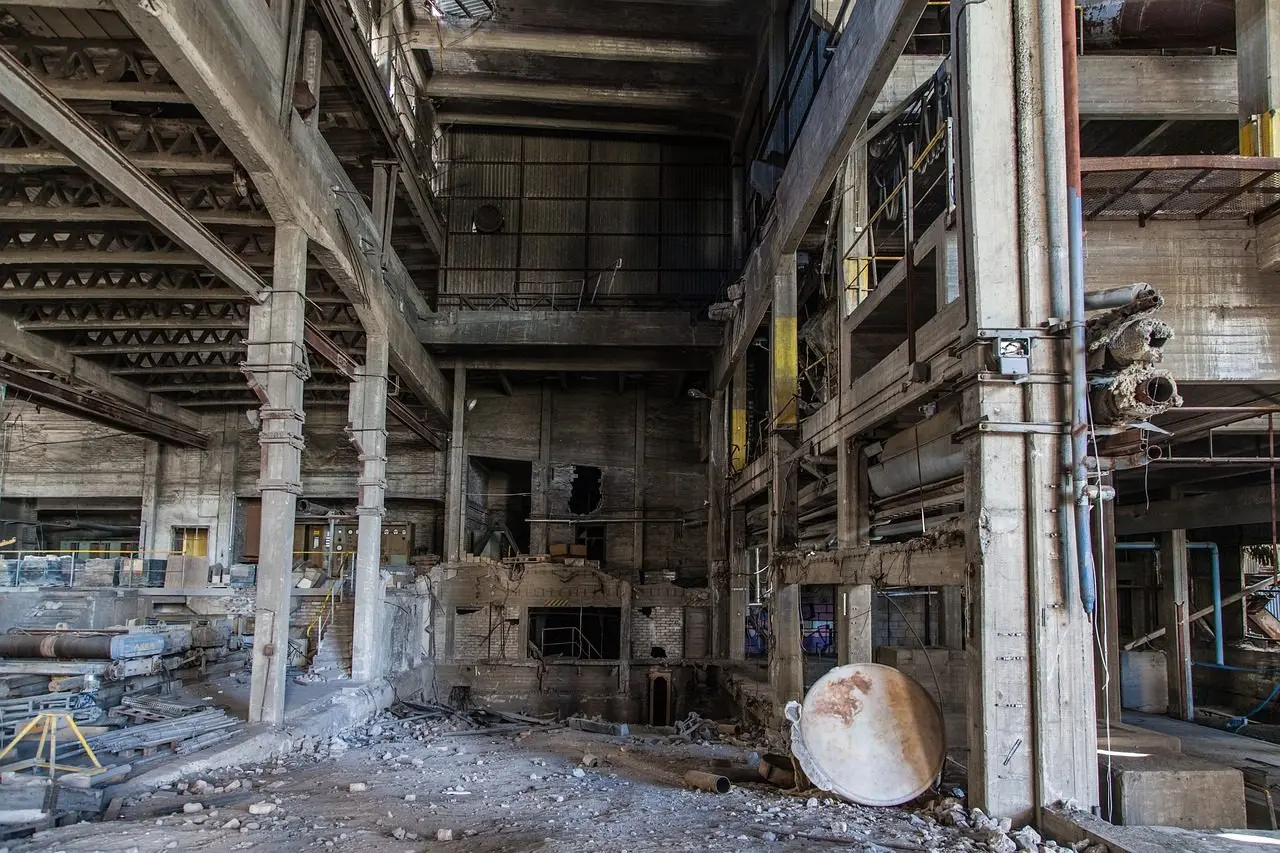
Many businesses purchase robots based on advertised features, only to discover that aisles are too narrow, floors are uneven, or the warehouse management software cannot communicate with the robot. In such cases, modification costs often exceed the initial consulting fee. Therefore, surveying and designing the solution before signing the equipment contract is an effective way to reduce risk.
In Ho Chi Minh, industrial parks and distribution centers have different characteristics: some are electronic factories requiring clean environments, while others are e‑commerce warehouses with seasonal order fluctuations. Each context demands a distinct robot configuration and deployment approach.
Common types of autonomous robots typically recommended for factories and warehouses
Choosing the robot type depends on the goods to be transported, the travel distance, and the flexibility of the layout. Below are the common groups that consultants usually consider.

Fixed‑route AGV robots
AGVs move along marked paths, tracks, or floor markers. This type suits repetitive, infrequent route changes such as material transfer from warehouse to production line. The downside is that when the layout changes, the guidance infrastructure must be readjusted.
Free‑positioning AMR robots
AMRs use sensors and digital maps to autonomously navigate and avoid obstacles. Advantages include flexibility and easy route changes via software, making them suitable for environments with people and forklifts operating concurrently. However, AMRs require detailed surveys of lighting, surface reflectivity, and traffic density.
Towing robots, pallet‑crane robots, and pallet‑lifting robots
Depending on payload and item type, businesses can use towing robots, pallet‑crane robots, or autonomous pallet‑lifting robots. Consultants must verify the actual dimensions and weight of goods rather than relying solely on nominal specifications.
What steps does the autonomous robot deployment consulting process include?
A sound process typically goes through six steps, from surveying to handover and operation. Each step has a clear output so businesses can control progress and quality.
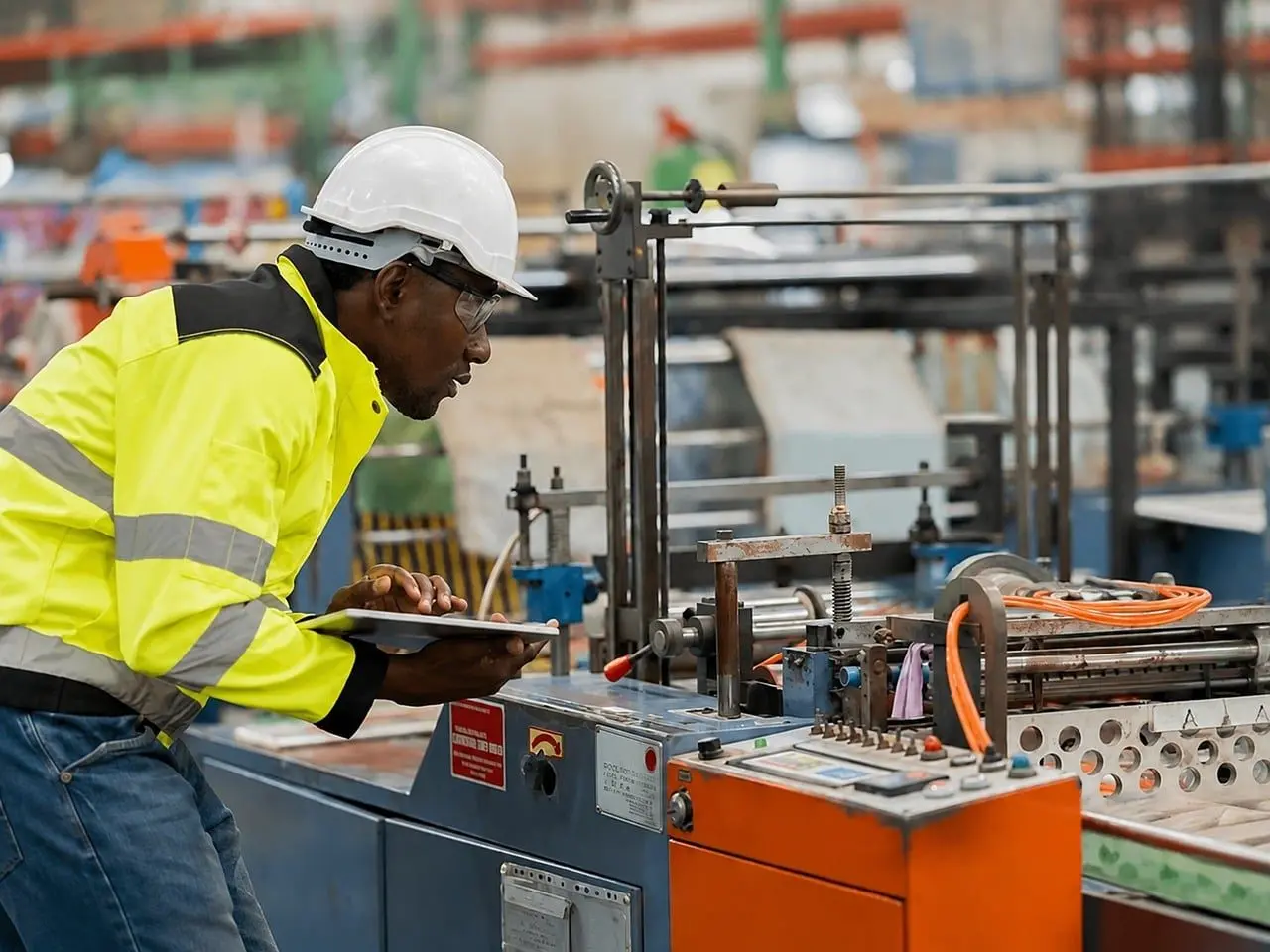
- Current state survey: measure the layout, record goods flow, the number of transport trips per shift, bottlenecks, and hazardous areas.
- Define objectives: reduce transport time, reduce errors, free personnel for other tasks, or increase scalability. Objectives must be measurable for post‑implementation assessment.
- Solution design: propose robot type, expected quantity, routes, charging stations, pick‑up and drop‑off points, and integration plans with warehouse or manufacturing software.
- Pilot run (POC): implement on a single route or small area to validate assumptions and collect real‑world data before scaling.
- Official deployment: install, map, configure coordination software, perform safety checks, and train operators.
- Operation and optimization: monitor performance, adjust routes, perform periodic maintenance, and scale up as demand grows.
The pilot run is often skipped to save time, but it is the stage where most real‑world issues—such as Wi‑Fi dead zones or forklift conflicts—are discovered.
What should businesses prepare before deploying robots into operation
The readiness of the business determines the deployment speed, just as much as the robot's quality. Four groups of tasks should be prepared in parallel with the consulting process.

- Floor infrastructure: relatively flat floor, no steps or large gaps; aisles wide enough for robots and people; charging station areas with stable power supply.
- Network infrastructure: Wi‑Fi coverage that is stable across the entire route, with a backup plan in case of connection loss.
- Data and software: standardized location catalog, item codes, and inbound/outbound processes so the robot can receive accurate commands.
- People: appoint a project lead, train operators, and communicate internally so workers understand how to work safely alongside robots.
Additionally, businesses should establish new safety regulations: lane markings, warning signs, and priority rules at intersections between robots, forklifts, and pedestrians.
When should autonomous robot deployment be avoided
Not every problem should be solved with a robot immediately. An honest consultant will point out cases that require reconsideration or investment postponement.

- The operational process is unstable and constantly changing, requiring frequent reconfiguration of the robot.
- Internal transport volume is too low, making robot operation sporadic and difficult to recoup investment.
- The floor space is cramped, the floor is heavily damaged, or the factory is expected to relocate in a short period.
- Warehouse data, location codes have not been digitized, and cannot connect to the coordination system.
In these cases, businesses can start by standardizing processes, digitizing data, and renovating the floor, then consider robots. A phased approach helps the investment yield clearer benefits.
DigiCorp partners in consulting and deployment in Ho Chi Minh
DIGICORP CO., LTD provides autonomous robots and smart automation solutions for businesses, with in‑depth support from consulting to deployment and operation. DigiCorp's team works directly at customer factories and warehouses to survey and design solutions tailored to the current state rather than applying a generic model.

Besides Ho Chi Minh, DigiCorp serves businesses in Hanoi and Bac Ninh, convenient for companies with multiple sites seeking solution synchronization. The goal is to help businesses optimize operational efficiency and sustain development through each expansion phase.
If your business is considering internal transport automation, contact DigiCorp via Hotline: 0912345678, Email: contact@digicorp.vn, or visit directly at 36 Trần Duy Hưng Alley, No. 91, Trần Duy Hưng Road, Yên Hòa Ward, Hanoi, for suitable deployment roadmap consulting.