


This article helps businesses in Bac Ninh understand the types of autonomous robots for factories, their practical benefits, step‑by‑step implementation processes, and important considerations before investing.
Autonomous robots for factories provide a solution that enables businesses in Bac Ninh to automate the transport of raw materials, semi‑finished products, and finished goods between production stages, warehouses, and shipping areas. With a high concentration of electronics, mechanical, and component factories in industrial zones, the need to reduce reliance on manual lifting and stacking and to increase the stability of material flows has become increasingly evident. This article presents common robot types, benefits, step‑by‑step implementation processes, and practical considerations before investing.
What Are Autonomous Robots for Factories and Who Are They Suitable For
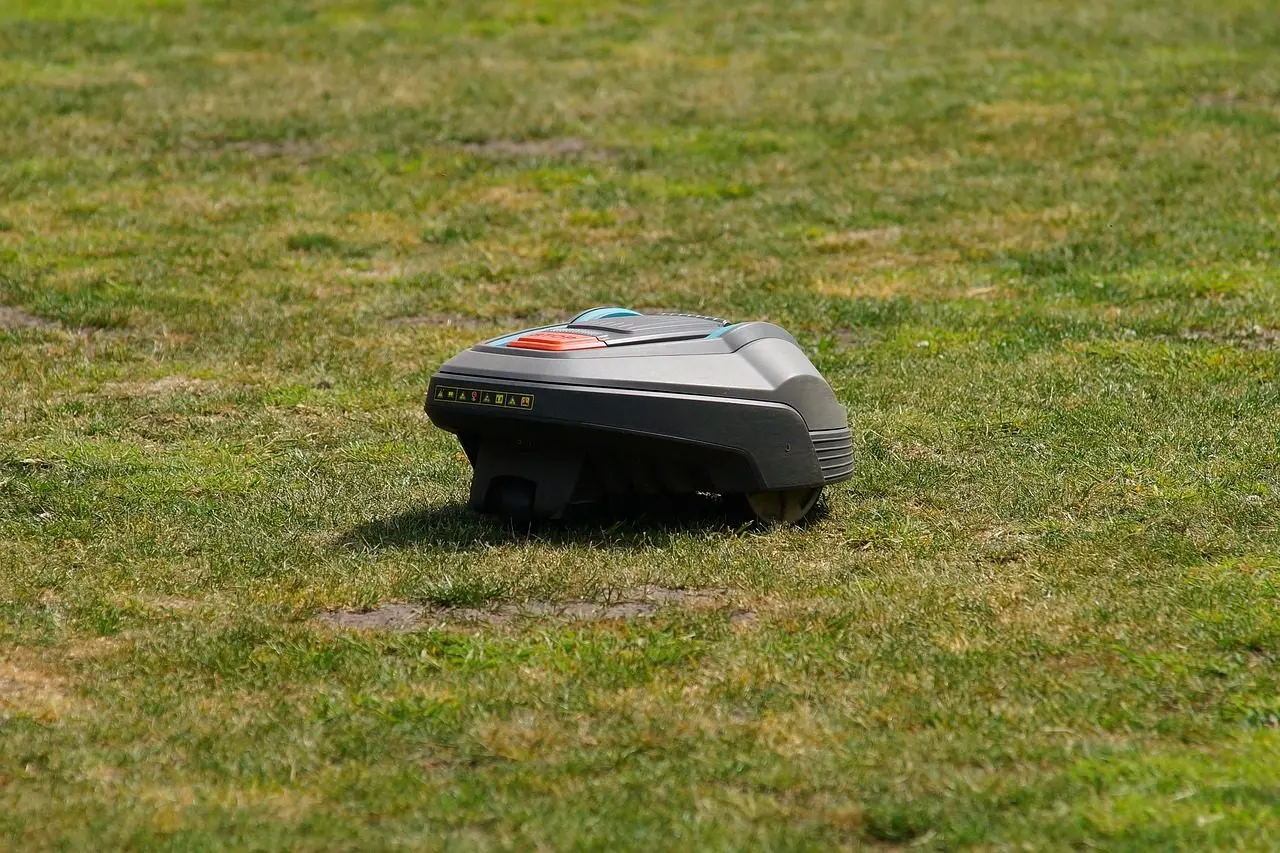
An autonomous robot is a device capable of moving itself within a factory along a pre‑determined route or autonomously calculating its path, carrying or towing goods without direct human control. Robots use sensors, cameras, or LiDAR to locate themselves and avoid obstacles, and can connect to production or warehouse management systems.
This solution is especially suitable for factories with repeated internal transport routes during shifts, such as from the component warehouse to the assembly line, from the line to the quality inspection area, or from the packaging zone back to the finished‑goods warehouse. In Bac Ninh, high‑volume conveyor‑based production with the requirement for timely material allocation creates favorable conditions for robots to deliver maximum effectiveness.
Common Types of Autonomous Robots in the Factory
Each robot type suits a particular load, floor layout, and degree of flexibility. Choosing the right type from the outset helps avoid waste and limits the need for factory renovations.
AGV – Guided Autonomous Vehicle
AGVs move along fixed paths such as magnetic tape, colored lines, or QR codes printed on the floor. This type is suitable for stable, infrequently changing routes and environments with well‑maintained floor discipline. The drawback is that when the line layout changes, the business must adjust the paths.
AMR – Autonomous Mobile Robot
AMRs autonomously map the factory and find routes, capable of rerouting when encountering people or obstacles. This choice is suitable for factories with frequently changing layouts, many workers, and intermixing pallet trucks. AMRs are also easy to extend with additional stopping points without floor construction.
Autonomous Forklift and Tow Robots
Autonomous forklifts are used to lift pallets, place goods onto shelves, or move items to the shipping area, suitable for warehouses with heavy loads. Tow robots pull one or more pallet trucks, ideal for supplying components along a route to multiple stations on the assembly line.
Benefits of Implementing Autonomous Robots in Bac Ninh Factories
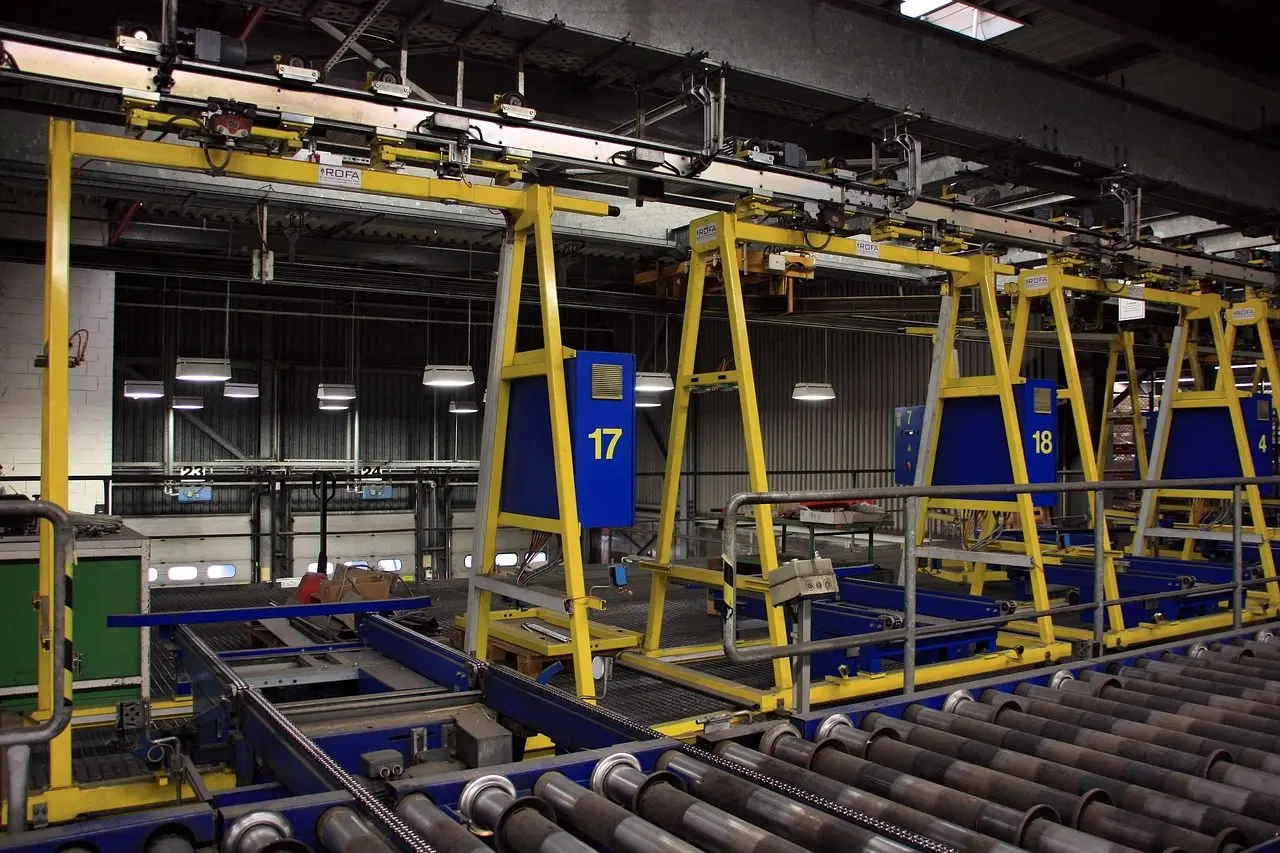
The most obvious benefit is a more stable material flow, less dependent on seasonal workforce fluctuations or long holidays. Robots operate on a regular schedule, helping production lines reduce wait times for components.
- Reduced Heavy Labor: workers are moved to skilled roles such as inspection, machine operation, or troubleshooting.
- Increased Safety: robots have deceleration sensors and stop upon detecting obstacles, reducing collisions compared to manually controlled forklifts.
- Data Transparency: every transport trip is recorded, supporting traceability and bottleneck analysis.
- Continuous Operation: robots can run multiple shifts, automatically returning to a charging station when battery is low depending on configuration.
- Meeting Customer Requirements: many factories supplying overseas partners need standardized processes and clear control data.
The specific level of effectiveness depends on scale, routes, and integration methods, so businesses should assess based on real‑world surveys rather than generic numbers.
Implementation Process for Autonomous Robots in the Factory
A thorough project typically goes through stages from assessment to stable operation. Skipping the survey or trial phase is a common reason for robots performing poorly.
- Current State Assessment: measure floor area, floor quality, aisle width, doors, slopes, freight elevators, and pedestrian flow.
- Transport Problem Analysis: identify routes, frequency, load, package dimensions, and required cycle times.
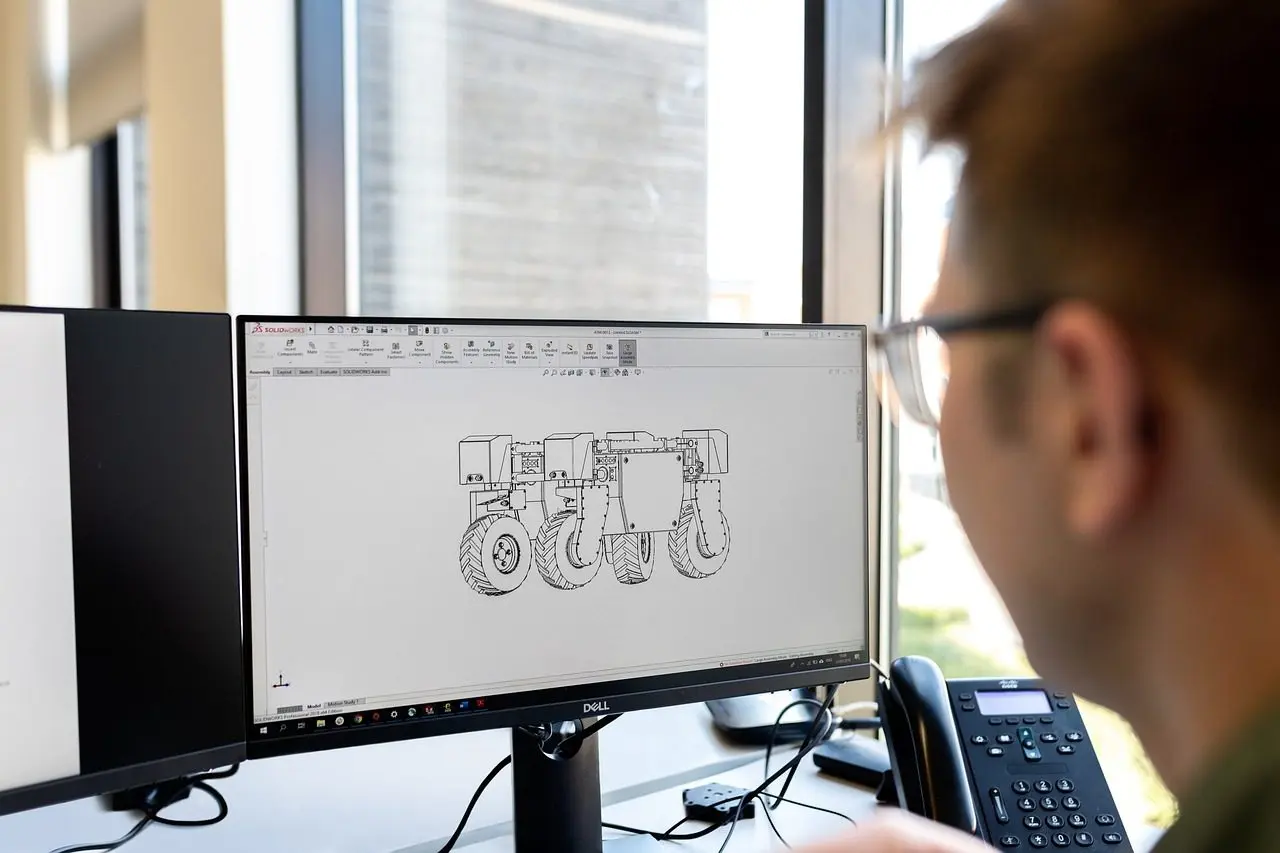
- Solution Proposal: select robot type, quantity, accessories such as wheels, tow hooks, lifting mechanisms, and charging plans.
- System Integration: connect to warehouse management software, production systems, automatic doors, or line signals.
- Trial and Tuning: test on a typical route, adjust speed, stopping points, and priority rules.
- Training and Handover: train personnel to operate, handle basic errors, and follow safety regulations when working near robots.
- Operation and Maintenance: monitor performance, perform regular maintenance, and expand when demand rises.
For factories applying robots for the first time, a safe approach is to pilot one route first, then scale up once effectiveness has been verified.
Considerations When Choosing and Cases Where Investment May Not Be Wise
Before investing, businesses should view the robot as part of the process rather than an independent device. If current transport processes are not standardized, robots will struggle to deliver results.

- Floor: cracked, uneven floors, steep slopes, or excessively narrow aisles may require renovation first.
- Network Connection: many robots require stable Wi‑Fi coverage across the operating area.
- Scalability: choose a robot fleet management system that can add new devices and routes.
- Post‑Implementation Service: prioritize vendors with support teams near the plant for timely issue resolution.
- Total Cost: include integration, training, maintenance, and battery replacement costs, not just equipment price.
Certain situations warrant postponing investment: low, non‑repetitive transport volumes, layouts undergoing major changes, or irregularly shaped goods lacking support solutions. In such cases, businesses should standardize processes and pre‑package before considering automation.
Digicorp Partnering with Factories in Bac Ninh
Digicorp supplies autonomous robots and intelligent automation solutions to businesses, offering deep support from consulting, deployment, to operation. The goal is to help factories optimize material flow efficiency and sustainable growth, based on each workshop's real‑world problems rather than a one‑size‑fits‑all template.

Beyond Bac Ninh, Digicorp serves customers in Hanoi and Ho Chi Minh, making it convenient for enterprises with multiple plants across different regions. Our team can assess current conditions, propose pilot solutions, and accompany the expansion process.
If your factory is considering autonomous robot implementation, contact Digicorp via Hotline 0912345678 or Email contact@digicorp.vn for consultation. The company office is located at No. 36, Alley 91, Tran Duy Hung Street, Yen Hoa Ward, Hanoi.