

This article helps factories in Ho Chi Minh City choose the right autonomous robot supplier: distinguishing AGV and AMR, partner evaluation criteria, implementation process, and situations where investment may not be advisable.
A suitable autonomous robot supplier for factories in Ho Chi Minh City does more than just sell equipment; it must survey material flows, propose the right type of robot, and provide long‑term operational support after handover. When selecting a partner, factories should prioritize vendors with strong consulting capabilities, integration ability with existing systems, and on‑site technical support. The article below details the robot types, evaluation criteria, implementation process, and key considerations before investing.
Why Factories in Ho Chi Minh City Need Autonomous Robots
Autonomous robots help factories reduce reliance on labor for repetitive transport tasks while maintaining a steady material supply rhythm between stages. This is a clear need in industrial zones around Ho Chi Minh City, where labor costs and workforce fluctuations directly impact production plans.
Moreover, robots follow pre‑programmed routes and schedules, reducing material mis‑delivery errors and minimizing collisions caused by manual forklifts. Data from each transport run is recorded, enabling shop floor managers to see bottlenecks instead of guessing.
- Transport raw materials from warehouse to production lines.
- Collect finished and semi‑finished products between stages.
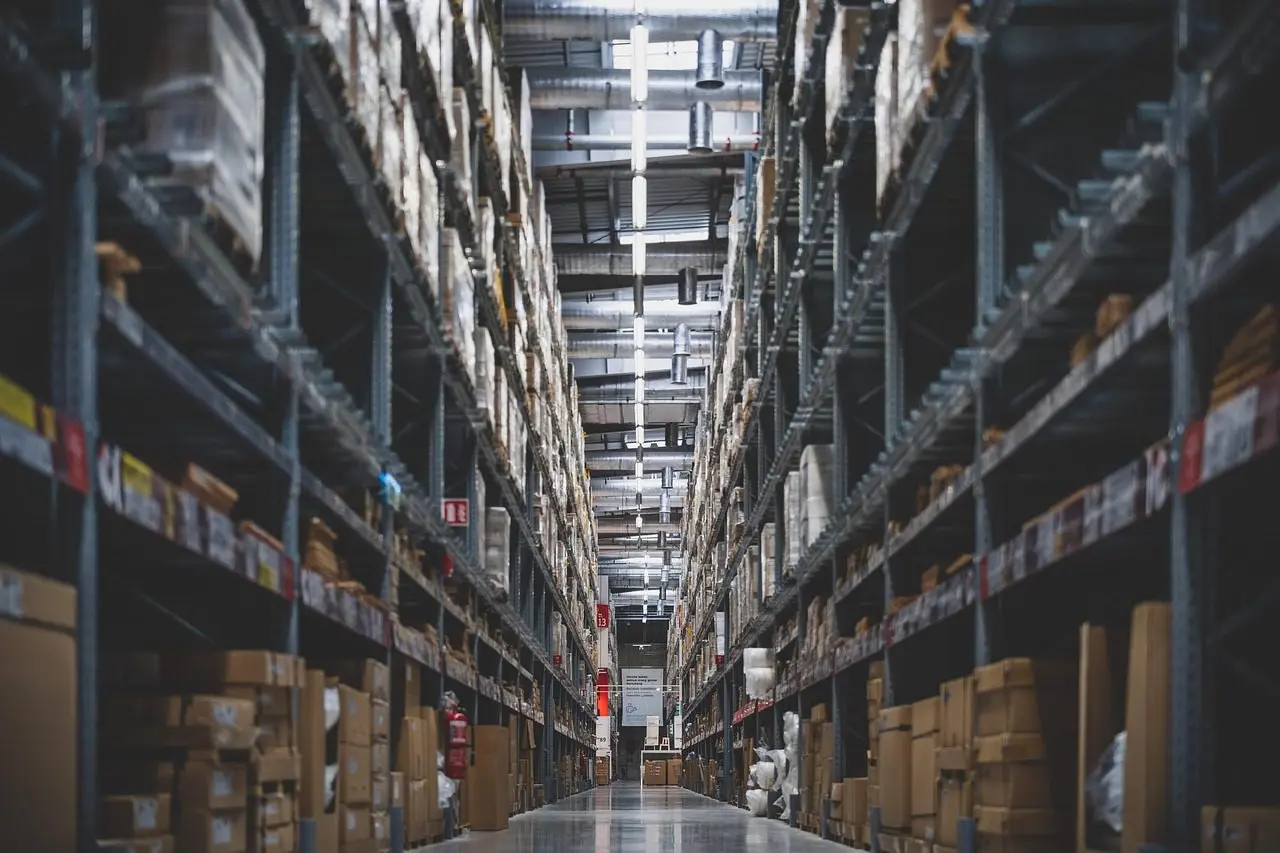
- Move pallets, carts, and boxes within the warehouse.
- Operate during night shifts or in areas where working conditions are unfavorable for humans.
Common Types of Autonomous Robots for Factories
The two main groups are AGVs and AMRs; each suits different floor layouts and levels of process change. Understanding this distinction helps factories ask the right questions when dealing with suppliers.
Fixed‑Guidance AGV Robots
AGVs move along floor markings, guide rails, or QR codes placed on the floor. This type is suitable for stable routes with little layout change, such as fixed‑loop material supply between warehouse and line. The drawback is that any layout change requires re‑configuring the guidance infrastructure.
Freely‑Navigating AMR Robots
AMRs use sensors and a digital map to autonomously generate routes, avoid obstacles, and choose flexible paths. This is the appropriate choice for factories that frequently change product codes and have many people and vehicles moving simultaneously. Route changes are mainly performed through software.
Robots by Load Function
Depending on the goods, factories can choose shelf‑lifting robots, cart‑pulling robots, pallet‑lifting robots, or robots integrated with roller conveyors for fully automated hand‑off with machinery. Load capacity, item dimensions, and hand‑off height are the three parameters that must be defined first.
Criteria for Selecting an Autonomous Robot Supplier in Ho Chi Minh City
A suitable partner must demonstrate capability across three phases: consulting, implementation, and operation. If only equipment price is compared, factories may end up with robots that run but do not align with actual processes.

- Survey capability: Does the vendor conduct on‑site measurements of floor surface, slope, aisles, and personnel/vehicle density, or merely send a catalogue‑based quotation?
- Integration ability: Can the robot connect with the warehouse management system, MES, elevators, automatic doors, or production machine signals?
- Orchestration software: Ability to manage multiple robots simultaneously, assign tasks, monitor status, and generate operation reports.
- Safety: Equipped with collision‑avoidance sensors, emergency stop buttons, audible and visual alerts; safety procedures documented in writing.
- After‑sales support: Response time for incidents, spare parts availability, periodic maintenance, and operator training.
- Scalability: When production volume rises, factories can add robots and new routes without replacing the entire system.
Factories should ask suppliers to present the solution on their own floor plan, including assumptions about trip numbers, cycle times, and contingency handling when a robot encounters an issue mid‑shift.
Implementation Process for Autonomous Robots in a Factory
A well‑structured project typically progresses from survey to full operation, with the testing phase determining most of the later efficiency. Skipping testing to shorten the timeline is a common mistake.
- Survey and analysis: Record material flow, volume, transport frequency, hand‑off points, and floor‑plan constraints.
- Solution proposal: Select robot type, preliminary quantity, routes, charging strategy, and system integration.
- On‑site pilot run: Test on a representative route to verify stability, speed, and interaction with workers.
- Deployment and integration: Install hardware, map the environment, connect software and related devices.
- Training and handover: Instruct the operations team on maintenance and incident handling procedures.
- Operation and optimization: Monitor data, adjust routes and schedules, and add robots as needed.
Considerations and Situations Where Investment May Not Be Advisable
Autonomous robots are not a solution for every factory. If transport processes are not standardized, introducing robots merely highlights existing chaos instead of solving it.
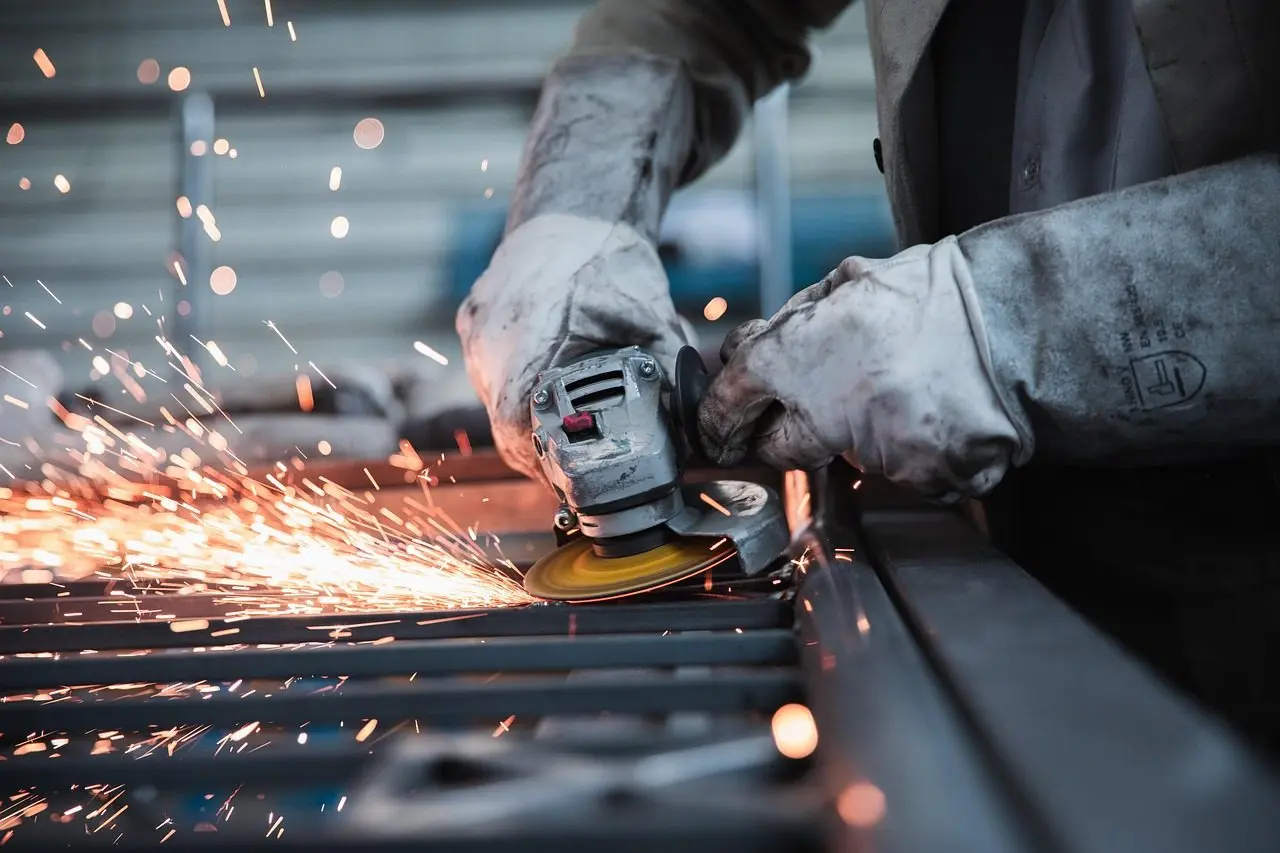
- Rough, uneven floors with gaps or steep slopes must be remedied before deployment.
- Very low transport volumes or extremely short routes may not allow robots to achieve cost‑effectiveness.
- Goods without standardized packaging or constantly changing dimensions require redesign of trays, carts, or pallets.
- Unreliable wireless networks affect the orchestration software; coverage should be verified from the start.
Additionally, factories should consider the human factor. Workers need clear information about their new roles, navigation rules alongside robots, and reporting procedures for incidents, ensuring system acceptance and smooth operation.
DigiCorp Partners with Factories in Ho Chi Minh City
DIGICORP Joint Stock Company provides autonomous robots and intelligent automation solutions for enterprises, taking an approach that starts from each factory’s real‑world operational challenges. DigiCorp’s team offers deep support from consulting and deployment to operation, helping businesses optimize efficiency and achieve sustainable growth.

DigiCorp serves customers in Ho Chi Minh City, Hanoi, and Bac Ninh, convenient for enterprises with multiple plants across the regions. Factories can start with an on‑site condition survey to identify the transport routes that should be automated first.
To discuss autonomous robot needs for your factory, please contact us via Hotline: 0912345678, Email: contact@digicorp.vn, or visit us at 36, Lane 91, Tran Duy Hung Street, Yen Hoa Ward, Hanoi.