


This article helps manufacturing companies in Ho Chi Minh City evaluate the AX8112 factory robot: real‑world applications, selection criteria, step‑by‑step implementation process, and scenarios where investment may not be advisable.
The AX8112 factory robot is a choice that many manufacturing companies in Ho Chi Minh City consider when they want to automate internal transport and reduce dependence on manual labor. However, the robot only performs effectively when it is applied to the right problem, in the right space, and with the right process. This article helps you determine whether the AX8112 is suitable for your factory, what to evaluate before investing, and how to implement it to minimize production disruptions.
Which manufacturing enterprises are suitable for the AX8112 factory robot
Mobile robot lines such as the AX8112 are typically suitable for factories with repetitive material transport flows, fixed or semi‑fixed distances, and consistent load movement per shift. These tasks are labor‑intensive but add little value, so automation usually delivers clear benefits.
In Ho Chi Minh City, industrial parks and export processing zones concentrate many industries with these characteristics. Some groups of enterprises often consider factory robots:
- Electronics and components: need to transport trays, component containers between the warehouse and assembly line at high frequency.
- Food and beverage: move raw materials, packaging, and finished products on a fixed schedule.
- Textile, footwear: circulate semi‑finished products between cutting, sewing, and finishing stages.
- Mechanical, plastic, packaging: supply molds, collect products from molding machines, machining units.
Specific technical specifications of the AX8112, such as payload, speed, battery life, or positioning method, should be confirmed directly with the supplier and compared with each factory’s actual requirements rather than relying on generic information.
Tasks that mobile robots can handle in the factory
The core value of mobile robots is to replace humans in repetitive transport tasks, allowing personnel to focus on skill‑intensive work. When well integrated, robots can run continuously on schedule or on command from the production line.
Internal transport between warehouse and line
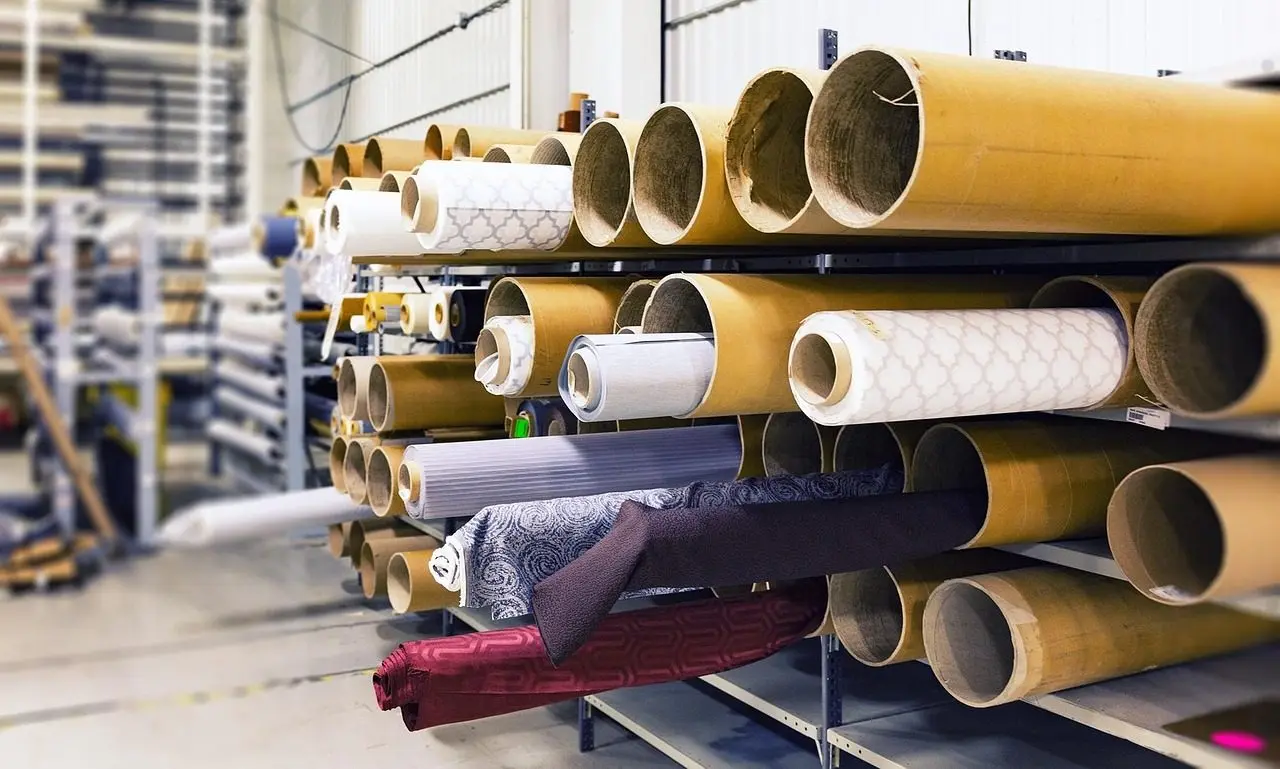
This is the most common application. The robot picks up goods at the raw material warehouse, delivers them to each station on the line, and collects empty containers. This approach reduces line idle time waiting for materials or workers leaving their positions to fetch items.
Circulating semi‑finished products between stages
In factories with multiple sequential stages, robots help maintain a smoother flow of semi‑finished products, reducing bottlenecks in a single area. Data from each trip also assists management in monitoring progress.
Collecting finished products and scrap
Robots can bring finished products to the packaging or shipping area and simultaneously collect scrap on schedule. This keeps the production floor tidy and reduces collision risks from manual push carts.
Criteria to evaluate before investing in the AX8112 factory robot
Before deciding, companies should evaluate four groups of factors: space, workload volume, integration capability, and internal operational capacity. Overlooking any group can cause the robot to operate below capacity.
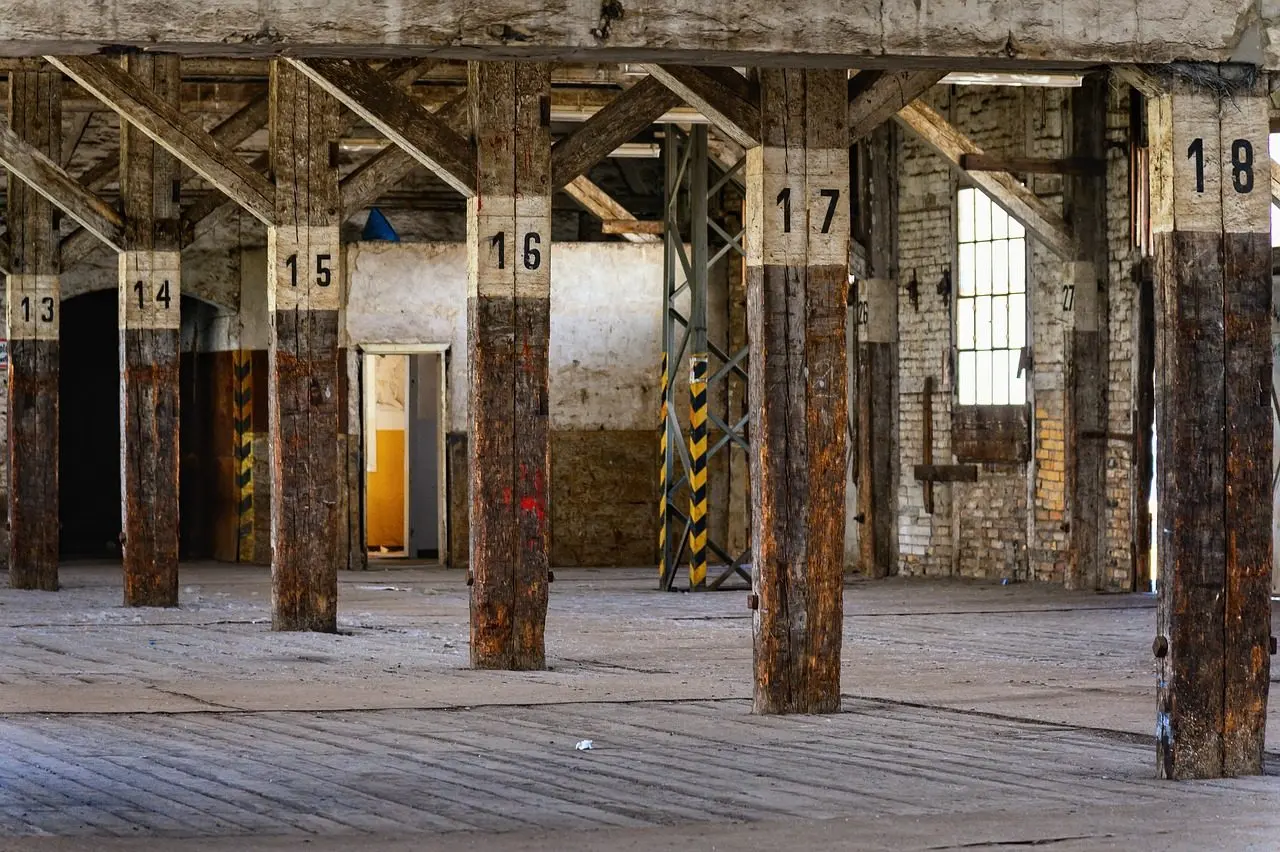
- Space and pathways: corridor width, floor flatness, slope, door thresholds, areas intersecting with forklifts and pedestrians.
- Transport volume and frequency: load weight per trip, number of trips per shift, average distance, and peak hours.
- Integration capability: whether the robot needs to connect with warehouse management systems, production control software, automatic doors, or elevators.
- Safety: obstacle avoidance sensors, deceleration zones, emergency stop buttons, and movement regulations with workers.
- Charging and network infrastructure: charging station locations, stable Wi‑Fi coverage across the entire route.
- After‑sales service: technical response time, spare parts availability, and training programs.
A practical approach is to record current transport data for several weeks before surveying. Real data from the factory itself will help calculate the number of robots needed and estimate effectiveness more accurately.
Implementation process of robots in factories in Ho Chi Minh City
Deploying factory robots should follow phased stages, starting with a survey and pilot test on a small scale before scaling up. This approach helps identify early obstacles without disrupting overall production.
- Current state assessment: technical teams visit the factory, measure space, observe material flow, and interview production and warehouse staff.
- Solution design: determine routes, stop points, charging stations, robot quantity, and system integration plans.
- Mapping and configuration: robot scans the space, sets up no‑go zones, deceleration areas, and task scripts.
- Pilot trial run: operate on a single route or line, record errors and fine‑tune.
- Personnel training: instruct workers, supervisors, and technicians on handling goods, basic troubleshooting.
- Expansion and optimization: scale to other areas, monitor operation data to adjust schedules.
For factories in Ho Chi Minh City, note the hot, humid, and dusty conditions in some production areas, as these factors affect sensors, batteries, and maintenance frequency.
Operational notes and cases where investment is not advisable
Robots are not a solution for every factory. If conditions are not yet suitable, companies should prioritize process improvement first, then automate.
Cases where immediate investment is not recommended
- Space frequently changing, narrow pathways, or chaotic goods without a reorganization plan.
- Low, irregular transport volume, only a few trips per day.
- Unstandardized receiving process: containers, pallets of varying sizes.
- No internal staff assigned to monitor and coordinate with the technical team.
Tips for stable robot operation
Keep pathways clear, avoid goods blocking the route, as a basic condition. Companies should also schedule regular maintenance for wheels, sensors, and batteries, and record any abnormal robot stops for root cause analysis.
Additionally, communicate clearly with workers about the purpose of the robot. When employees understand that the robot reduces heavy labor rather than replacing them, the transition is usually smoother.
Digicorp accompanies the deployment of factory robots in Ho Chi Minh City
Digicorp Joint Stock Company provides mobile robots and intelligent automation solutions for businesses, serving customers in Ho Chi Minh City, Hanoi, and Bac Ninh. We offer comprehensive support from consulting, implementation, to operation, helping enterprises optimize performance and achieve sustainable growth.
When working with Digicorp, companies receive on‑site assessments to evaluate the suitability of the AX8112 factory robot for specific challenges, rather than applying a generic configuration. The technical team accompanies pilot testing, training, and provides support throughout operation.
If you are considering automating internal transport, contact Digicorp at Hotline 0912345678 or Email contact@digicorp.vn for consultation. You can also visit our office directly: 36 Trần Duy Hưng Alley, Yên Hòa Ward, Hanoi City.