

The article helps businesses in Ho Chi Minh City understand popular automation solutions, optimal investment timing, implementation steps, and key considerations for effective, sustainable project operation.
Enterprise automation solutions are a set of devices, software, and processes that replace or assist humans in repetitive, labor-intensive, or error‑prone tasks. For businesses in Ho Chi Minh City, where floor space costs and labor for warehouse/factory operations are increasing pressures, automation helps boost productivity, reduce errors, and become more proactive in manufacturing. The article below outlines common solution groups, optimal investment timing, implementation process, and considerations before starting.
What enterprise automation solutions include
A complete automation solution is usually not just a single machine, but a combination of physical equipment, control software, and redesigned operating procedures. Depending on industry and scale, businesses can choose one or more of the groups below.
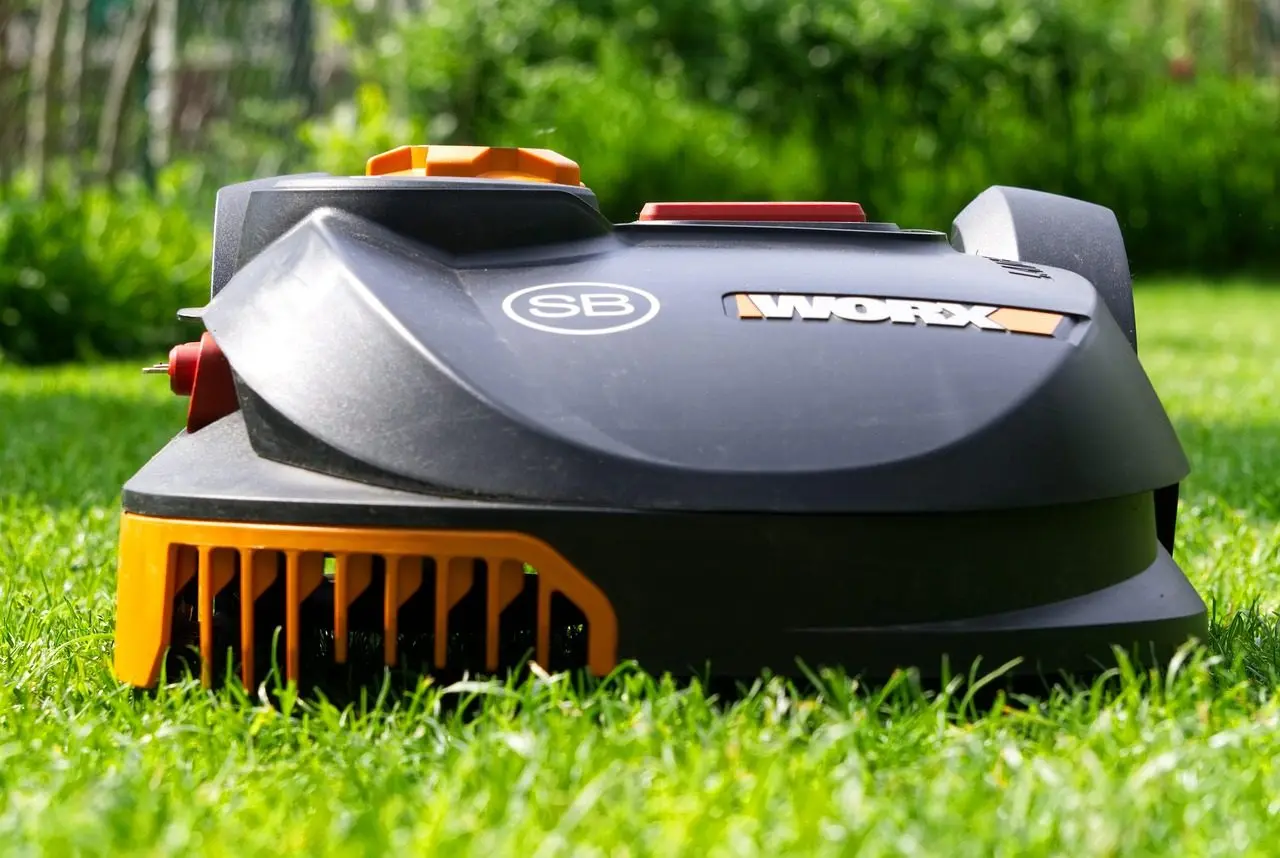
Autonomous mobile robots for internal transport
Autonomous mobile robots (AMR, AGV) handle moving goods, materials, and semi‑finished products between areas within a factory or warehouse. The robots can map themselves, avoid obstacles, and coordinate with each other according to schedules. This is a suitable choice for electronics factories, e‑commerce warehouses, or distribution centers with high movement volume.
Warehouse automation
This group includes automated storage and retrieval systems, sorting conveyors, and warehouse management software integrated with robots. The goal is to shorten picking time and reduce inventory discrepancies. For warehouses in central Ho Chi Minh City with limited space, this solution also helps better utilize space.
Production line automation
Robotic arms, collaborative robots, and automated inspection stations can perform tasks such as picking, packaging, and visual inspection. Collaborative robots are often preferred when businesses want humans and machines to work closely together without extensive floor modifications.
Orchestration software and data
Software that manages fleets of robots and connects with existing ERP or WMS systems enables real‑time activity monitoring. Collected data serves as the basis for process adjustments and expansion planning.
When should businesses in Ho Chi Minh City invest in automation
Businesses should consider automation when tasks are highly repetitive, volumes are stable, and the cost of errors or delays clearly impacts business performance. Common specific signs include:

- Warehouse/factory staff spend a lot of time pushing carts and moving items between areas.
- Picking, shipping, or counting errors remain high.
- Difficulty recruiting and retaining labor for heavy, night‑shift positions.
- Seasonal order spikes make it hard to scale staff quickly.
- Customers or partners demand more transparent operational data traceability.
Conversely, there are cases where investment is not yet advisable. If current processes are still changing frequently, products are too diverse and not standardized, or the facility is about to relocate, businesses should prioritize process standardization first. Automating an unstable process usually only speeds up the problem.
Automation solution implementation process
An effective automation project should follow clear steps, starting with a real‑world survey rather than selecting equipment first. The reference process includes the following steps.

- Current state survey: measure traffic flow, identify bottlenecks, floor layout, floor condition, Wi‑Fi network, and existing software.
- Define objectives: set measurable targets such as cycle time, number of transports per shift, error rate reduction.
- Solution design: choose robot type, quantity, routes, charging points, and integration plan with existing systems.
- Pilot testing: deploy in a specific area or process to validate before scaling.
- Training and handover: instruct operators on routine handling, common issues, and safety when working with robots.
- Operation and optimization: monitor data, perform regular maintenance, adjust routes or expand as demand grows.
The pilot phase is often overlooked but helps businesses detect early issues such as uneven floors, weak network signals, or crowded crossing points. Fixing these on a small scale is always easier than correcting them after the whole system is live.
Key considerations to avoid wasteful automation
A common mistake is investing based on trends without carefully calculating long‑term operational economics. Below are points businesses should verify before signing a contract.

Total cost of ownership assessment
Beyond equipment price, factor in software integration, facility modifications, training, maintenance, and spare parts. Comparing this total cost with expected benefits enables a more grounded decision.
Scalability and integration capability
The solution should connect with existing management systems and allow additional robots as scale grows. Closed, hard‑to‑expand systems may force a complete reinvestment after a few years.
On‑site technical support
When a robot stops mid‑shift, every hour of downtime impacts production. Therefore, a partner with an on‑site technical team in the business’s operating area is an important consideration.
Human factor
Employees need early communication about automation goals to avoid fear of job loss. Many businesses transition workers to supervision, quality control, or robot operation roles, retaining staff while upgrading skills.
DIGICORP partners with businesses in Ho Chi Minh City
DIGICORP Joint Stock Company provides autonomous robots and intelligent automation solutions for enterprises, offering deep support from consulting and implementation to operation. DIGICORP’s approach starts from each factory or warehouse’s real problem, then proposes a tailored solution rather than applying a one‑size‑fits‑all model.

In Ho Chi Minh City, as well as Hanoi and Bac Ninh, DIGICORP assists businesses with current state surveys, phased automation roadmaps, pilot runs, and operator training. After the system goes live, the company continues to support maintenance, optimization, and expansion, aiming for stable efficiency and sustainable growth.
If your company is exploring suitable enterprise automation solutions for a factory or warehouse in Ho Chi Minh City, contact DIGICORP via Hotline 0912345678 or Email contact@digicorp.vn for consultation. The company office is located at No. 36, Alley 91, Tran Duy Hung Street, Yen Hoa Ward, Hanoi.