

The price of the Autoxing AX6113 factory robot is not fixed but depends on configuration, quantity, and deployment scope. This article helps you understand the actual cost components and how to evaluate ROI before investing.
The Autoxing AX6113 factory robot does not have a fixed list price applicable to all businesses. The actual cost depends on the robot's configuration, quantity ordered, level of integration with existing systems, and accompanying service scope. Therefore, the most accurate way to determine the price is to submit a survey request and receive a quote tailored to the plant’s operational problem.
This article explains the cost components that constitute the investment value, how to estimate ROI before purchasing, and the steps to obtain a transparent quote. The goal is to help you compare correctly and avoid focusing solely on the initial equipment purchase price.
How Much Does the Autoxing AX6113 Factory Robot Cost?
Short answer: the price is determined per project. Two plants buying the same robot model may receive different quotes because floor layout, transport distance, cargo load, and software connectivity requirements differ.
Typically, a complete quote will include robot hardware, control software, accessories such as charging stations or racks, survey costs, mapping, installation, training, and warranty. When comparing quotes, you should match each item rather than just the total amount.
Factors Affecting the Robot Price
There are five main groups of factors that determine the investment level. Understanding each group helps you proactively adjust the plan to fit your budget.
Configuration and Accessories
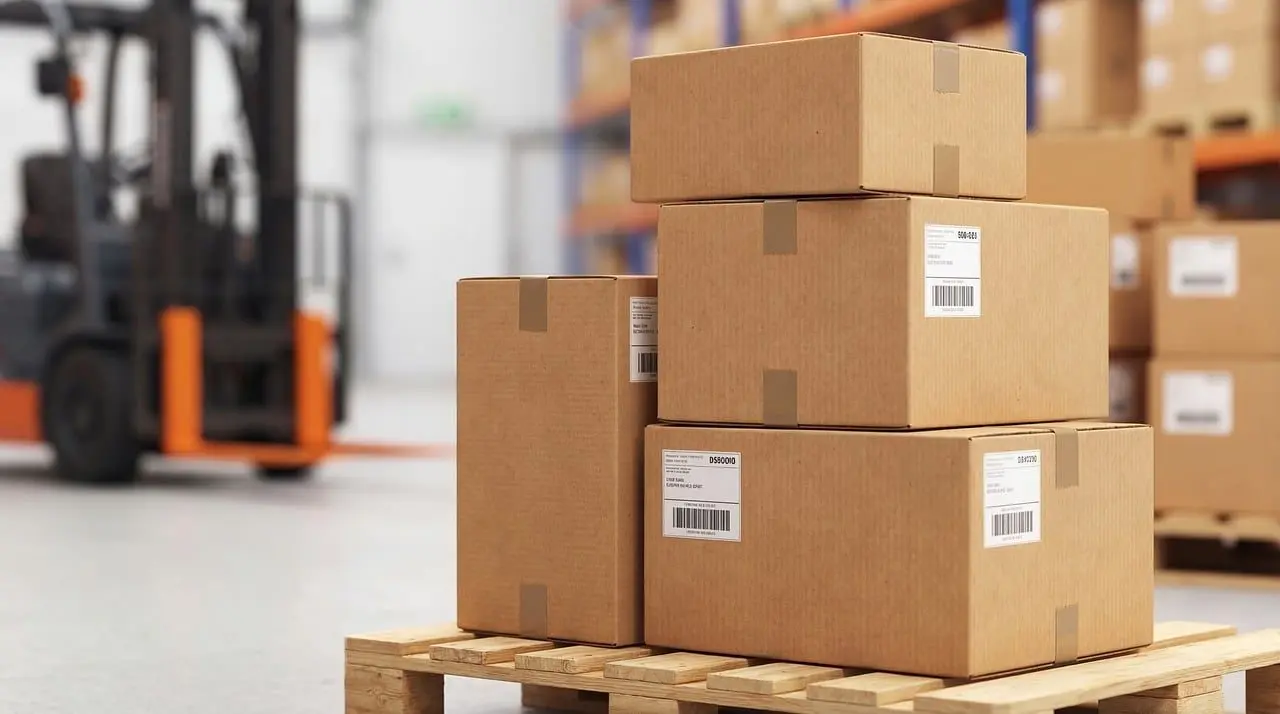
The robot can come with various modules such as cargo racks, push cart mechanisms, or specialized trays. Each hardware option changes the price. Businesses should choose the necessary accessories for their process and avoid buying extra features.
Number of Robots
Deploying a single test robot differs from deploying an entire fleet. As quantity increases, the coordination software and infrastructure costs are distributed across multiple units, so the average cost per robot may change. The specific amount should be calculated in the quote.
Floor and Infrastructure
A plant with a flat floor, wide aisles, and stable Wi‑Fi will deploy faster. Conversely, areas with slopes, automatic doors, elevators, or weak signal zones will require additional support equipment and more configuration time.
Degree of System Integration
If the robot operates on a fixed route, integration costs are low. When it needs to connect to warehouse management, production software, or an automated line, the technical workload increases and is factored into the price.
After‑Sales Service
The warranty period, scheduled maintenance package, incident response time, and spare parts inventory all affect total cost. A good service package typically reduces the risk of future downtime.
Total Cost of Ownership: Looking Beyond the Purchase Price
The purchase price is only part of the equation. To evaluate accurately, businesses should calculate the total cost of ownership throughout the robot’s lifecycle.
- Initial costs: equipment, software, accessories, survey, and installation.
- Operating costs: electricity for charging, replacement of wear components such as wheels and batteries on a cycle.
- Maintenance costs: periodic inspections, software updates, technical support.
- Training costs: instruction for staff to operate and handle basic incidents.
- Opportunity costs: downtime if an incident is not handled promptly.
A low purchase price plan that lacks on‑site technical support can lead to higher long‑term costs. Therefore, ask the supplier to clarify after‑sales costs from the outset.
How to Estimate Investment ROI Before Purchasing
Before deciding, you can estimate how well the robot fits your plant with a few simple steps. This approach makes meetings with the supplier more productive.
- Record current state: number of transport trips per shift, average distance, cargo weight per trip, and personnel handling them.
- Identify automatable tasks: prioritize repeatable, fixed, low‑variation routes such as moving components from storage to the line.
- Estimate number of robots needed: based on trip frequency and cycle time, combined with technical consultation.
- Compare costs: compare total cost of ownership against labor costs, errors, and current waiting time.
- Run a small‑scale pilot: if possible, test in a single area to measure real‑world effectiveness before scaling up.
Note that a robot’s benefits are not limited to labor savings. Reducing collisions, lowering receiving errors, and freeing staff for higher‑value tasks are also important factors.
When to Invest and When to Hold Off
Transport robots show clear benefits when the process is stable and there is regular, repeatable transport volume. Conversely, premature investment can result in under‑utilized equipment.