


The price of the Keenon T9 restaurant robot is not fixed and depends on configuration, purchase or lease option, and deployment package. This article helps you understand the cost structure and how to obtain an accurate quote.
The Keenon T9 restaurant robot does not have a fixed listed price for all customers, because the actual cost depends on configuration, purchase or lease option, installation package, and accompanying after‑sales service. The quickest way to get an exact figure is to submit your floor plan, service scale, and usage requirements to the distribution partner to receive an all‑inclusive quote. The article below explains the price‑building factors, commonly overlooked costs, and how to choose the appropriate investment option.
How much does the Keenon T9 restaurant robot cost on the market?
The price of this robot line is usually quoted per project rather than publicly disclosed. Two restaurants purchasing the same robot model can receive different quotes due to differences in the number of units, floor‑plan complexity, and service scope.
When checking prices online, you should be cautious of figures that are unusually low or lack clear conditions. A reliable quote should clearly state what is included with the machine, warranty period, deployment costs, and product origin.
- Quote for the machine only: usually does not include site survey, mapping, and staff training.
- All‑inclusive quote: includes the robot, installation, operation guidance, and technical support during the warranty period.
- Lease quote: priced per term, typically includes periodic maintenance.
Factors influencing the robot price
The final price is determined by groups of factors related to the product, implementation, and service. Understanding each group helps you compare quotes fairly.
Configuration and accessories
The number of trays, accompanying accessories, management software, and integrated features such as connection to the ordering system all affect cost. Not every restaurant needs a full configuration, so identify the features you actually use daily.
Number of robots and floor‑plan size
Multi‑level restaurants, multiple zones, or narrow aisles require more thorough surveys and may need multiple robots to work together. When ordering many units for a chain of outlets, businesses often have the opportunity to negotiate better terms.
Genuine products and warranty terms
Officially imported robots with clear documentation and warranty coverage in Vietnam usually cost more than gray‑market units. However, this price difference brings peace of mind regarding spare parts, software updates, and support in case of issues.
Additional costs beyond the robot purchase price
The purchase price is only a part of the total cost of ownership. To accurately assess ROI, restaurant owners should add the recurring expenses incurred during operation.

- Survey and mapping: technicians need to create a navigation map, set up table points, kitchen zones, and charging stations.
- Staff training: service personnel need to know how to summon the robot, load trays correctly, and handle simple situations.
- Periodic maintenance: cleaning sensors, inspecting wheels, batteries, and updating software.
- Electricity and batteries: electricity costs are usually low, but batteries are wear‑out components over time.
- Floor‑plan adjustments: sometimes tables and chairs need rearranging or steps and thick carpets must be addressed for stable robot movement.
When comparing suppliers, ask clearly which items are included in the quote and which are charged separately. This helps avoid low initial prices that later balloon with extra costs.
Buy or lease the robot: which option is suitable?
Purchasing suits restaurants with stable operations and long‑term usage plans; leasing suits entities that want to trial or limit upfront capital. Each approach has its own pros and cons.

When to buy
- Restaurants with consistent customer flow and a fixed floor plan for several years.
- Businesses that want to own the asset and customize configuration based on operations.
- Chain outlets that need to standardize service processes across locations.
When to lease
- Newly opened restaurants uncertain about customer volume.
- Needing robots for peak seasons, events, or trial periods.
- Desiring the supplier to handle all maintenance during the usage period.
Some businesses choose to lease for a period before deciding to purchase. This approach helps assess the robot’s practical fit with the space and customer habits.
When a restaurant should and should not invest
Table‑service robots deliver the most impact in venues with long kitchen‑to‑table distances, continuous dish output, and staff that need to move frequently. Conversely, there are scenarios that warrant careful consideration before spending.
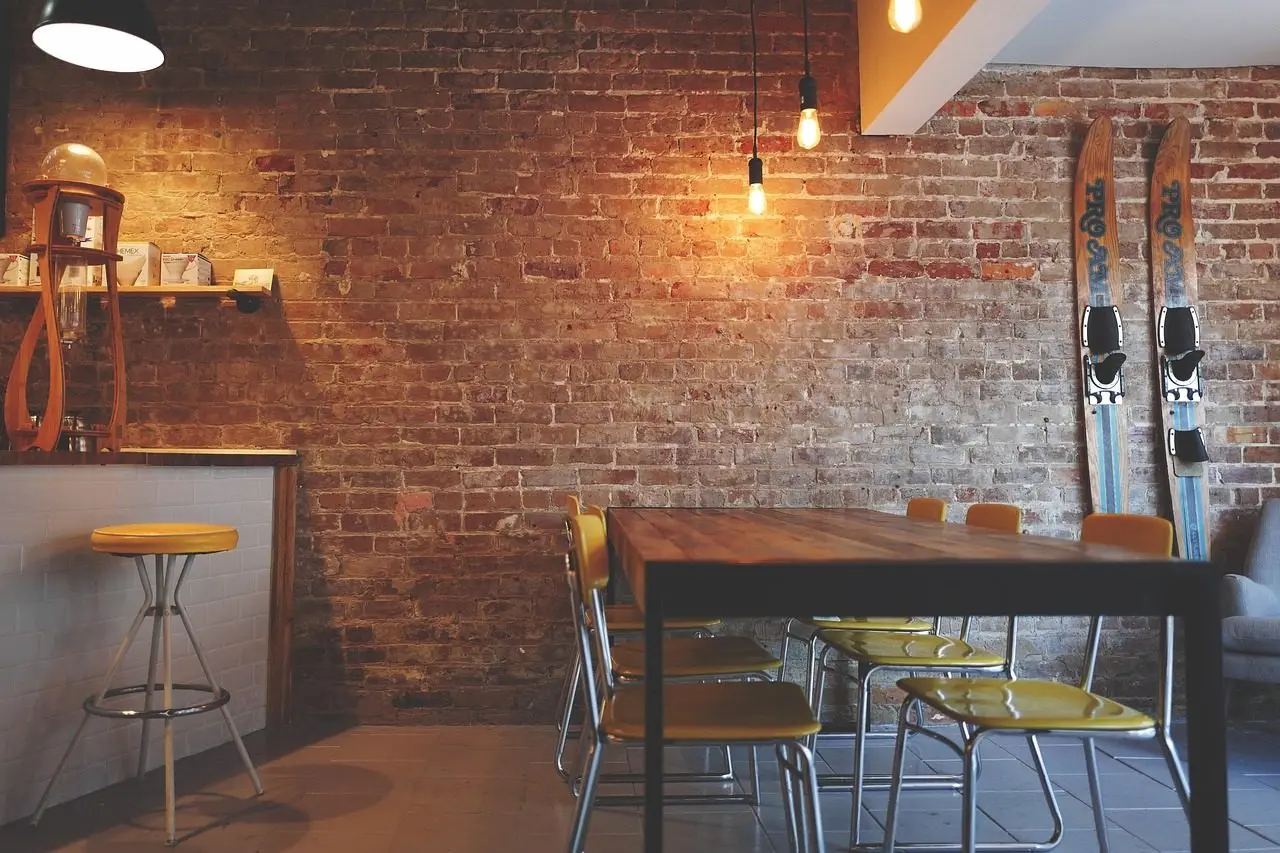
Typical suitable models include hot‑pot, grill, buffet restaurants, large‑area cafés, and hotels with breakfast areas. The robot reduces repetitive carrying tasks, allowing staff to focus on menu guidance and guest care.
You should reconsider if:
- The floor plan is too cramped, aisles are narrow, or there are many stairs without an elevator.
- The floor has many obstacles that are hard to remove, such as thick carpets or steep slopes.
- A small venue with low dish volume per hour, where existing staff can adequately serve.
- The service model requires continuous direct interaction, such as tableside preparation dishes.
In these cases, a prior survey helps avoid misdirected investment.
How to get a tailored quote for the Keenon T9 restaurant robot
To obtain a quote that accurately reflects actual costs, you should prepare certain information before contacting us. The clearer the information, the more precise the proposed solution.

- Area, number of floors, and seating layout diagram.
- Number of tables, average guest count, and peak hours.
- Primary goal: reduce staff workload, enhance guest experience, or promote the brand.
- Desired approach: purchase, lease, or trial first.
- Estimated budget and timeline for deploying the robot.
DIGICORP Joint Stock Company provides autonomous robots and intelligent automation solutions for businesses, offering comprehensive support from consulting, surveying, deployment to operation, helping restaurants optimize efficiency and achieve sustainable growth. Our team serves customers in Ho Chi Minh City, Hanoi, and Bac Ninh, ready to assess sites on‑site before proposing a solution.
If you are considering investing in a table‑service robot and need a specific quote, contact Digicorp via Hotline: 0912345678, Email: contact@digicorp.vn, or visit our office at No. 36, Lane 91, Trần Duy Hưng Street, Yên Hòa Ward, Hanoi for detailed consultation.