

The article analyzes the internal transportation challenges of factories in Bac Ninh, popular autonomous robot technologies, step-by-step implementation processes, and key considerations for investing in automation the right way.
Internal factory logistics solutions are a set of processes, equipment, and software that move raw materials, semi‑finished goods, and finished products between warehouses, production lines, and shipping areas accurately and on time. For factories in Bac Ninh, which host many electronics, component, and mechanical enterprises, optimizing internal material flow directly impacts productivity and costs. The article below helps you understand the components, technologies, implementation processes, and considerations to weigh before investing.
What components make up internal factory logistics solutions
A complete internal logistics system usually consists of three layers: transport equipment, storage infrastructure, and coordination software. These layers must be designed synchronously; otherwise modern robots may idle because the warehouse is not stocked or data does not match.
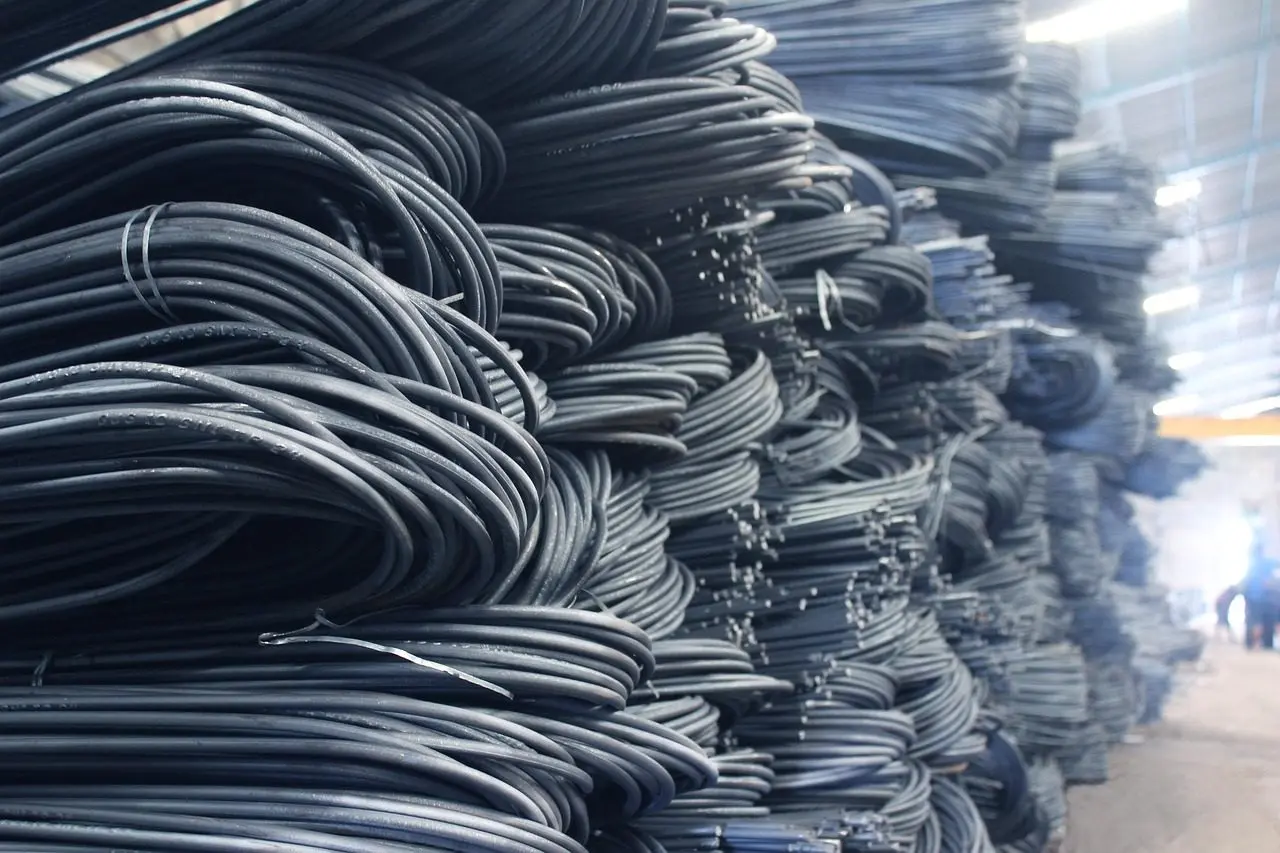
- Transport equipment: forklifts, tow tractors, conveyors, autonomous robots (AGV or AMR) used to move goods between points.
- Storage infrastructure: warehouse racks, line‑side buffer zones, hand‑over points, and charging stations for equipment.
- Coordination software: robot fleet management system, integrated with Warehouse Management System (WMS) or Manufacturing Execution System (MES) to receive orders and report status.
- Operating procedures: guidelines on routes, material supply timing, safety rules, and responsibilities of each department.
When these components are well linked, a factory can shift from experience‑based material supply to data‑driven supply.
Production characteristics in Bac Ninh and internal transportation challenges
Industrial zones in Bac Ninh such as Yen Phong, Que Vo, Tien Du and VSIP Bac Ninh have a high concentration of electronics and auxiliary component manufacturers. Common traits are large volumes, fast production cycles, diverse part numbers, and strict traceability requirements.
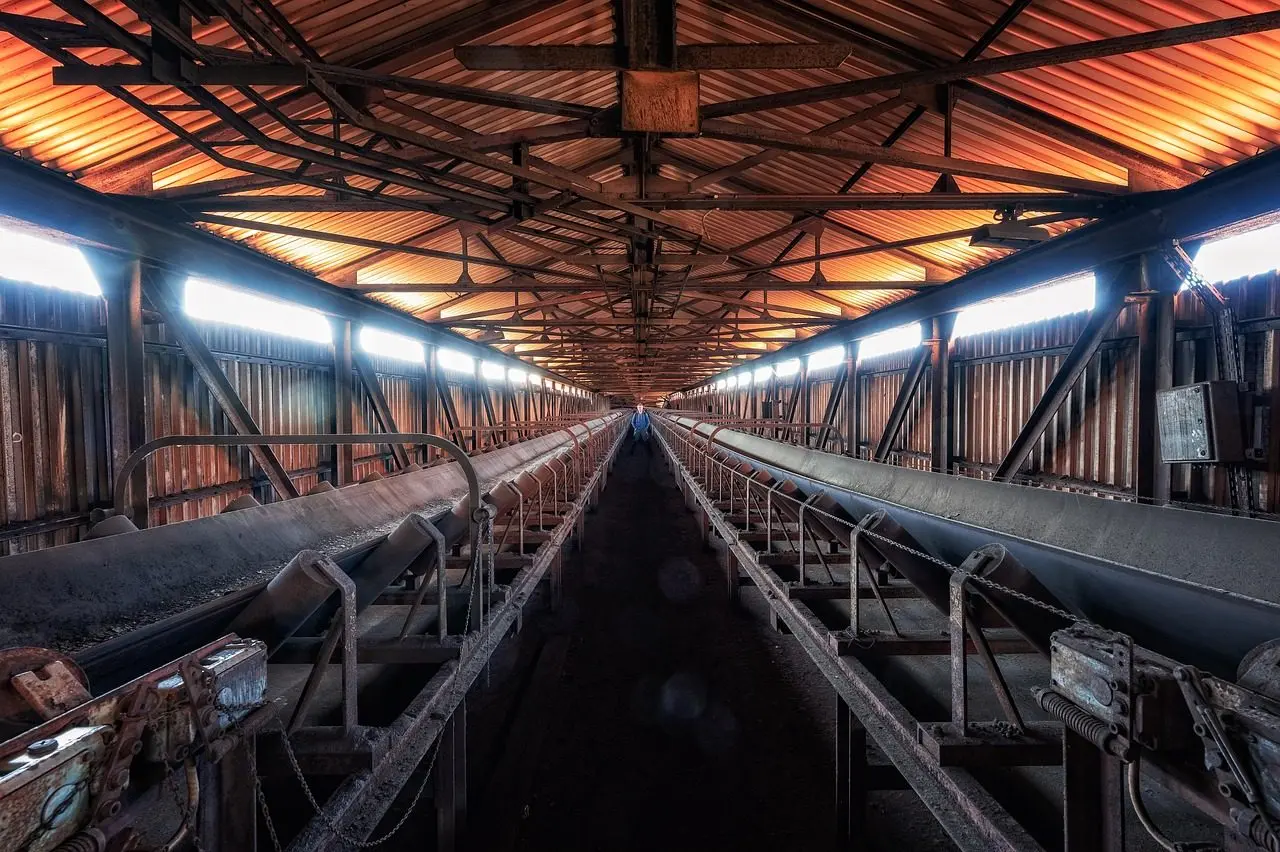
In this context, manual internal transportation often reveals several familiar problems:
- Workers have to push carts over long distances repeatedly during a shift, leading to fatigue and errors.
- Production lines are halted due to missing components at the right moment, while inventory piles up in the warehouse.
- Recruiting and retaining staff for simple, repetitive transport roles is difficult.
- Collisions between forklifts and pedestrians pose occupational safety risks.
- Lack of data to know where items are, who moved them, and how long it took.
This is why many factories in the region are beginning to explore autonomous robots and automation solutions for material handling.
Common automation technologies in internal logistics
No single technology fits every factory. Selection depends on floor layout, product type, transport frequency, and the degree of process change.
AGV Robots
AGVs travel on fixed routes guided by magnetic tape, painted lines, or QR codes on the floor. This type of robot suits repetitive, rarely‑changed routes, such as from raw material storage to a fixed production line. Advantages are stable, predictable operation; drawbacks are the need to re‑configure routes when the layout changes.
AMR Robots
AMRs use sensors and a digital map to self‑localize, navigate, and avoid obstacles. For factories that frequently reconfigure lines or have many people moving around, AMRs provide greater flexibility. Robots can tow carts, lift racks, or carry component bins depending on configuration.
Conveyors and coordination software systems
Conveyors remain effective for short, continuous high‑volume transport segments. Coordination software acts as the brain, assigning tasks to each robot, prioritizing urgent jobs, managing battery charging, and interfacing with elevators, automatic doors, or existing WMS/MES systems.
Implementation process for internal factory logistics solutions
Effective implementation follows a step‑by‑step approach, starting with an on‑site survey rather than purchasing equipment upfront. The reference process includes:

- Current state survey: record layout, routes, floor condition, aisle width, product types, volumes and transport frequency per shift.
- Goal definition: reduce transport labor, cut material waiting time, increase safety, or improve data traceability. Clear goals help select the right robot type.
- Solution design: choose technology, determine equipment quantity, locate charging stations, hand‑over points, and plan software integration.
- Pilot: run a trial on a single route or area to measure real‑world performance and make adjustments before scaling.
- Training and handover: instruct operators, troubleshoot scenarios, and teach safety rules to workers and technicians.
- Operation and optimization: monitor data, perform preventive maintenance, adjust routes and schedules as production changes.
The pilot step is especially important as it allows the business to validate assumptions before committing to large‑scale investment.
Considerations when selecting and cases where automation may not be suitable
Automation only delivers benefits when the underlying process is stable. If the process is chaotic, robots will simply accelerate the disorder.
Some considerations when choosing a solution:
- Inspect floor quality, slopes, gaps, and wireless network conditions in the factory.
- Prioritize solutions that can integrate with existing software systems.
- Assess on‑site technical support capability, response time to incidents, and availability of spare parts.
- Calculate scalability when production volume rises or new lines are added.
- Develop safety rules for areas where people and robots work together.
Conversely, there are situations where businesses should think carefully or postpone automation: very low or unstable production volumes, extremely short transport routes, major upcoming layout changes, or unstandardized warehouse data. In such cases, standardizing processes and data first yields better results.
DigiCorp partners with factories in Bac Ninh
DIGICORP Joint Stock Company provides autonomous robots and intelligent automation solutions for enterprises, serving Bac Ninh, Hanoi and Ho Chi Minh City. We offer end‑to‑end support from consulting and implementation to operation, helping businesses optimize efficiency and achieve sustainable growth.
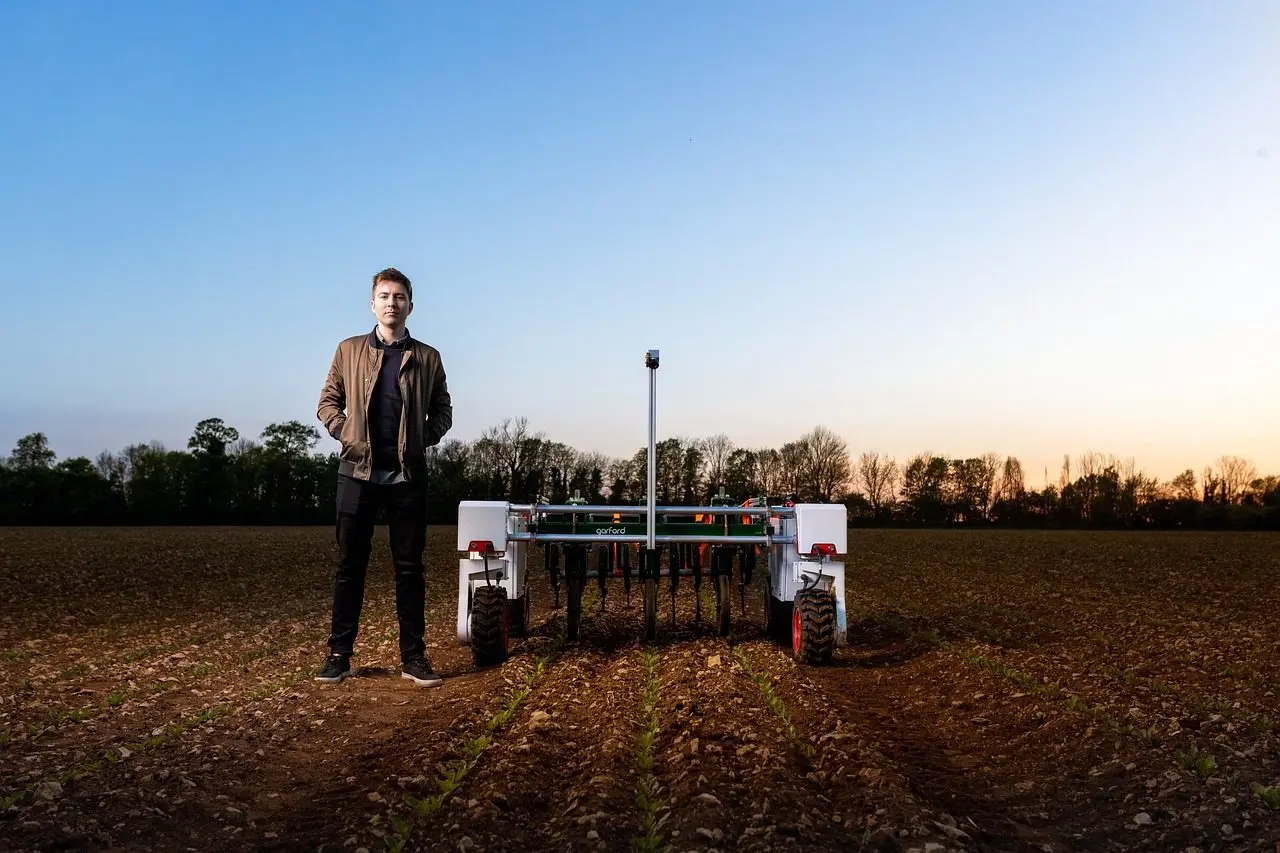
Instead of offering a pre‑packaged set of equipment, DigiCorp’s team starts with an on‑site factory survey, analyzes material flow, and works with the enterprise to define priorities. From there, the solution is tailored to the facility’s layout, processes, and expansion plans, accompanied by training and continuous support throughout operation.
If your factory in Bac Ninh is facing internal transportation challenges or wants to assess the feasibility of autonomous robots, contact DigiCorp via Hotline: 0912345678, Email: contact@digicorp.vn or visit our office at No. 36, Lane 91, Tran Duy Hung Street, Yen Hoa Ward, Hanoi for detailed consultation.