


The article helps restaurant owners in Ho Chi Minh assess whether the Keenon T10 restaurant robot is suitable, how to prepare the space, and how to implement it for stable operation.
The Keenon T10 restaurant robot is a compact service robot that transports food and beverages from the kitchen to the table, suitable for eateries with narrow aisles and high customer volume during peak hours. For establishments in Ho Chi Minh City, where spaces are often small and labor costs are a major concern, the robot helps staff reduce walking distances to focus on customer service. The article below analyzes when to use it, what preparations are needed, and how to implement it for stable operation.
What is the Keenon T10 restaurant robot and which eateries is it suitable for
The Keenon T10 is a service robot line from Keenon Robotics, designed primarily for delivering dishes, clearing trays, and navigating within dining spaces. A notable feature of this series is its compact size, allowing the robot to move through aisles that larger robot models find difficult to navigate.

The robot uses a sensor system to locate itself, detect obstacles, and automatically stop or detour when encountering people. Specific specifications such as the number of tray levels, load capacity per tray, and battery life should be verified against the actual configuration at the time of purchase, as the manufacturer may release updated versions.
Eateries that are typically suitable for the Keenon T10 include:
- Pho, bun, office lunch spots with many small tables and rapid customer turnover.
- Hot pot or grill restaurants that need to bring multiple small plates to the table continuously.
- Cafés and bubble tea shops with seated areas that want to create a distinctive experience.
- Family restaurants with a flat ground floor and relatively clear pathways.
Benefits of using service robots for eateries in Ho Chi Minh City
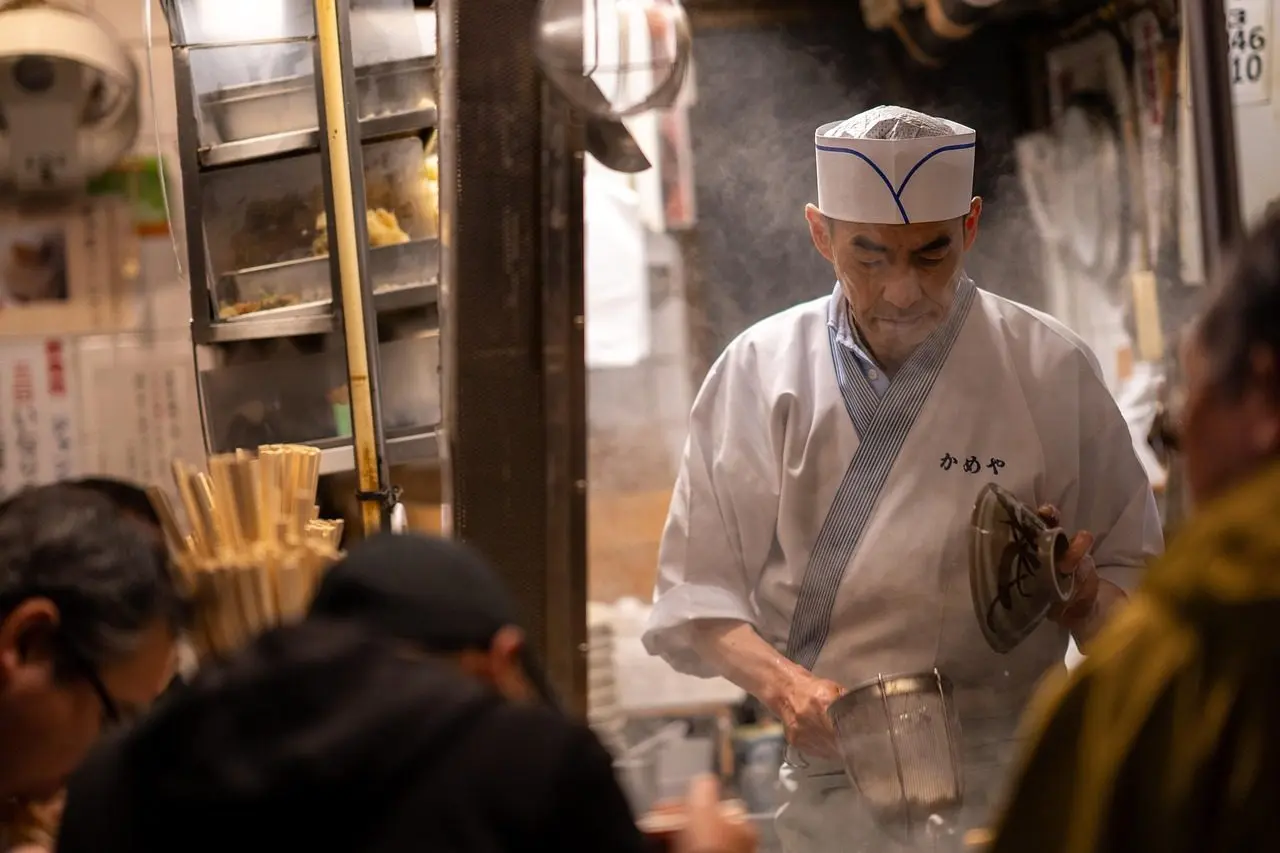
The most obvious benefit is reducing the workload for serving staff during peak hours. Instead of each person making multiple trips between the kitchen and tables, the robot handles transportation, allowing staff to focus on taking orders, recommending dishes, and addressing customer requests.
Stable operation during staff shortages
Many eateries in Ho Chi Minh experience seasonal staff fluctuations, especially during holidays. While robots do not fully replace humans, they help maintain service pace when a shift is missing a few positions.
Ensuring dishes reach the correct table at the right time
When the kitchen places dishes on a tray and selects a table number, the robot follows a pre‑mapped route. This method reduces table mix‑ups and minimizes dishes getting cold while waiting for a person to deliver them.
Creating a distinctive experience for guests
Family guests and children are often delighted when a robot delivers their meals. This provides visual content for customers to share, although the ultimate business performance still depends on food quality and service.
Floor layout requirements to prepare before deployment
The robot performs best on a flat floor with no steps between the kitchen and dining area. Before deciding, owners should check the following points themselves or request a direct survey from the supplier.
Aisles and table‑chair layout
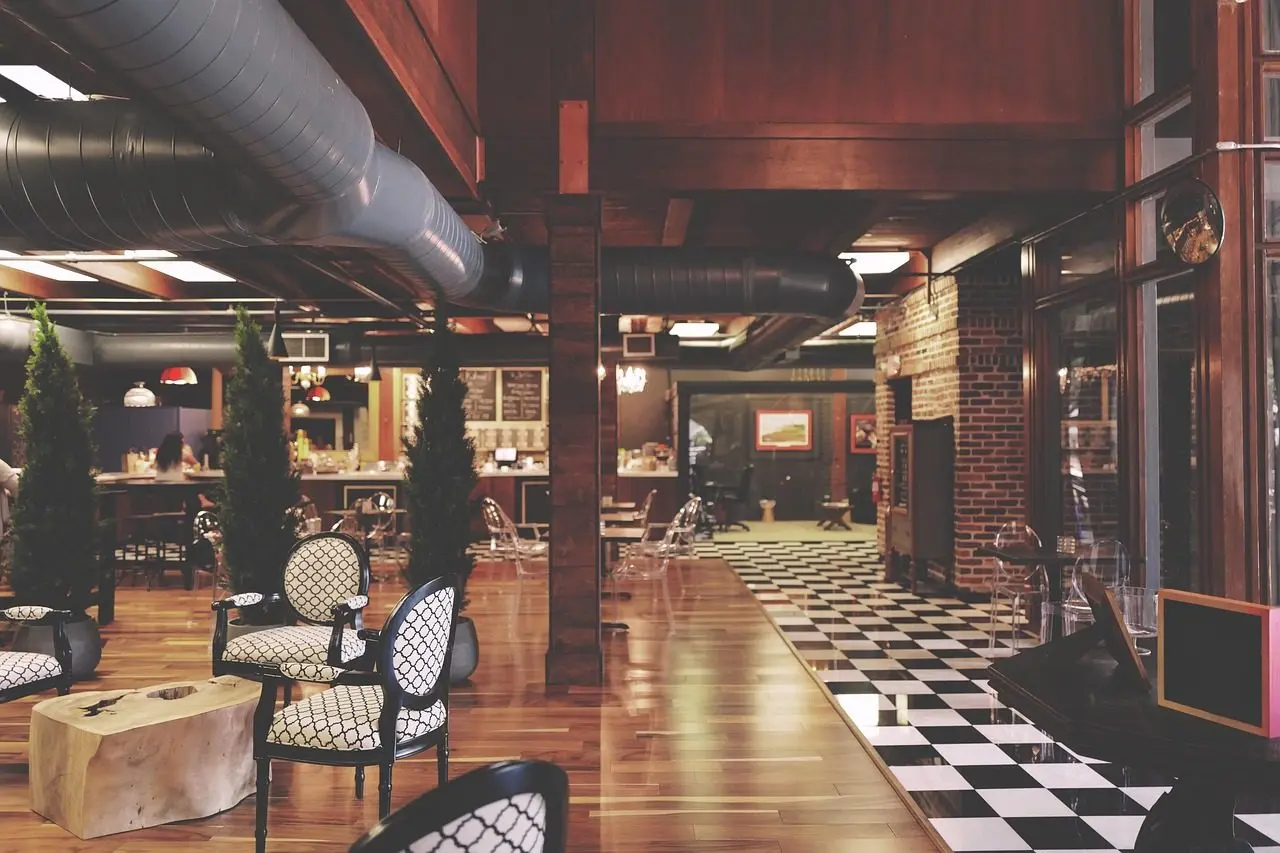
Aisles must be wide enough for the robot to pass without touching guests' chairs. Chairs should be placed close to the table after each seating, avoiding bags, crates, or cables left in the pathway.
Floor surface and slope
Flat tiled, wooden, or epoxy floors are ideal. Areas with deep drainage grooves, thick carpet, steps, or steep slopes need to be treated or excluded from the robot’s operating zone.
Lighting, glass, and connectivity
Spaces with many glass walls, large mirrors, or direct sunlight can affect the sensors. The venue should also have a stable Wi‑Fi network to facilitate robot updates and management.
Implementation process for the Keenon T10 robot in a venue
Following the correct implementation process ensures the robot runs smoothly from the first days and helps staff get accustomed quickly. A typical process usually includes the following steps:

- Floor survey: measure aisles, identify kitchen, bar, dining area, and charging points.
- Solution consulting: assess the number of robots needed, operating zones, and any table‑chair adjustments required.
- Mapping and setup: technicians have the robot scan the space, assign table numbers, and set the start point and charging station.
- Trial run: operate during off‑peak hours to test routes, speed, and obstacle response.
- Staff training: instruct on order placement, table selection, handling robot error alerts, and tray cleaning.
- Post‑deployment monitoring: adjust the map when the layout changes, and perform regular maintenance.
For an operating venue, choose closing hours or early mornings for mapping to avoid disrupting customers.
Scenarios where investment may not be advisable and operational considerations
Not every eatery should adopt a robot immediately. Investing when the floor layout is unsuitable can cause frequent stops, inconveniencing both guests and staff.

Cases that merit careful consideration:
- Establishments that primarily offer take‑away with few seated customers.
- Dining areas spread across multiple floors without suitable robot pathways.
- Aisles that are too narrow, with chairs frequently encroaching during busy periods.
- Outdoor sidewalk seating where the ground is uneven.
Once the robot is in use, owners should note:
- Do not load items beyond each tray’s recommended weight limit; hot liquids should be placed in trays or with spill‑proof lids.
- Charge the battery on a fixed schedule, avoiding depletion mid‑shift.
- Clean sensors and wheels regularly, as grease and kitchen dust can affect positioning.
- Update the map whenever the table‑chair layout changes.
- Always have staff assist guests in retrieving dishes, especially for the elderly.
Deploying the Keenon T10 restaurant robot in Ho Chi Minh with Digicorp
Digicorp provides autonomous robots and intelligent automation solutions for businesses, including service robots for restaurants and eateries. Their specialized support team assists from consulting and deployment to operation, helping owners choose configurations that match the actual floor layout rather than making impulsive purchases.
In Ho Chi Minh, Digicorp can conduct an on‑site survey of the venue, assess aisles, floor surfaces, and staff movement flow before proposing a solution. After installation, the venue receives usage training and ongoing support to ensure long‑term stable robot operation. Beyond Ho Chi Minh, Digicorp also serves clients in Hanoi and Bac Ninh.
If you are considering adding a robot to your eatery, contact Digicorp at Hotline 0912345678 or Email contact@digicorp.vn for consultation and to schedule a survey. The company office is located at No. 36, Alley 91, Tran Duy Hung Street, Yen Hoa Ward, Hanoi.