


Before purchasing the Keenon T11 restaurant robot in Hanoi, owners should assess the venue, match its features with service workflows, and thoroughly review warranty and after‑sales support. This article compiles practical considerations to help you make an informed decision.
The Keenon T11 restaurant robot delivers results only when it fits the venue layout, service processes, and has technical support nearby the business location. Therefore, when buying in Hanoi, restaurant owners should prioritize three steps: surveying actual traffic paths, verifying features against specific needs, and clarifying warranty and maintenance policies before signing a contract. Below are detailed considerations to avoid costly or wasteful investments.
Which Business Models in Hanoi Are Suitable for the Keenon T11 Restaurant Robot
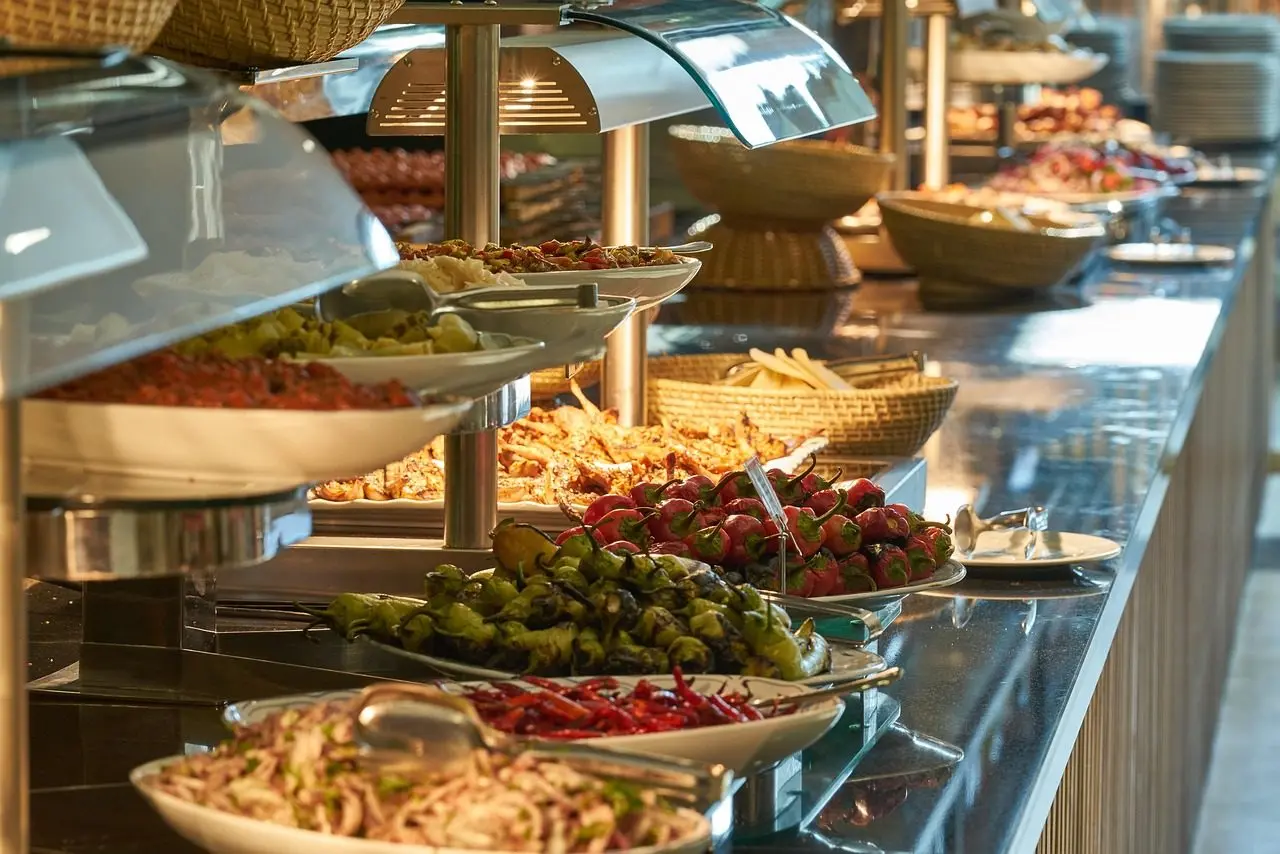
Table‑service robots are best suited for venues with high guest volume, long distances from kitchen to tables, and staff who need to make multiple trips per shift. In Hanoi, common models that consider robots include hot‑pot, grill, buffet restaurants, medium‑to‑large family‑style eateries, and restaurants located in shopping malls or hotels.
For these models, the robot handles repetitive tasks such as delivering dishes, clearing plates, and bringing beverages. This frees staff to spend more time recommending menu items, caring for guests, and handling unexpected requests. The robot also adds an experiential highlight, especially for families with young children.
Conversely, small venues with only a few tables, where most customers order take‑out or are served at a counter, often cannot fully utilize the robot’s capacity. In such cases, careful calculation is required before investing.
Survey the Venue Before Purchasing a Robot
The venue layout determines whether the robot can operate smoothly. Many Hanoi restaurants are located in narrow tube‑shaped buildings, the Old Quarter, or upper floors of complexes, so aisles, thresholds, and table arrangements must be examined carefully.

Aisles and Distance Between Tables
The robot requires aisles wide enough for safe navigation and obstacle avoidance. Measure the width of the main aisle, any bottlenecks near the service counter, kitchen door, and table clusters during peak hours. If aisles are frequently occupied by side chairs, carts, or waiting guests, rearrange them before deployment.
Flooring, Steps, and Multiple Levels
Table‑service robots perform best on flat floors without level changes. Overly slick surfaces, large drainage grooves, or thick carpet can impede movement. For multi‑level restaurants, clarify the plan: assign a robot per floor or use an elevator connection if available, rather than assuming the robot can climb stairs on its own.
Lighting Conditions and Network Signal
Areas with rapidly changing lighting, many mirrors, glass, or reflective walls can sometimes confuse sensors. Additionally, verify Wi‑Fi coverage if you intend to use robot‑calling features or remote management.
Specifications and Features to Verify
Instead of focusing solely on design, owners should match each feature against real service workflows. All technical specifications should be requested in official documentation from the supplier and, if possible, tested in person.
- Number of trays and load capacity: determine how many dishes the robot must carry per trip, and whether it needs to handle hot‑pot pots, grill trays, or heavy items.
- Spill‑resistance capability: crucial for liquid dishes such as pho, noodle soups, hot pot, or broths.
- Battery life and charging time: compare with operating hours, lunch and dinner shifts to avoid the robot running out of power during peak periods.
- Obstacle‑avoidance sensors: test reactions when encountering children, passing guests, or chairs pulled into the aisle.
- Operating modes: dish delivery, clearing, guiding guests, promotional runs, and greeting announcements in Vietnamese.
- Management software: user‑friendly interface, Vietnamese language support, and the ability to update maps when layout changes.
If the restaurant plans to use multiple robots, inquire about multi‑robot coordination on a single map to prevent congestion in the kitchen area.
Cost, Warranty, and After‑Sales Service in Hanoi
The purchase price is only part of the expense; total cost of ownership is the figure that matters. Before finalizing, request a detailed quote covering equipment, installation, map creation, staff training, and any future ancillary costs.
Key Points to Clarify in the Contract
- Product origin, import documentation, and valid certificates.
- Warranty period and coverage for battery, motor, sensors, and display.
- Response time when the robot encounters issues, whether on‑site support is available within Hanoi or only remote assistance.
- Spare‑part replacement policy and whether a backup unit is provided during repairs.
- Periodic maintenance fees and software updates after the warranty expires.
Choosing a provider with a technical team based in Hanoi shortens issue‑resolution time. For restaurants, each hour the robot is down during peak periods directly impacts service flow.
Implementation and Efficient Operation Process
A systematic deployment process helps the robot integrate quickly into restaurant operations. Typically, implementation follows these steps.

- Survey and consulting: assess the venue, guest traffic, and current service workflow.
- Map creation and stop‑point setup: number tables, locate kitchen, counter, and charging stations.
- Trial run: test during off‑peak hours first, then move to peak‑hour operation.
- Staff training: placing orders on trays, selecting tables, handling robot error alerts, cleaning, and charging.
- Monitoring and adjustment: optimize routes, speed, and dialogue after several weeks of use.
Note that the robot assists rather than fully replaces staff. Clearly assign who receives items from the robot and who carries hot or heavy dishes to the table, to avoid the robot waiting idle without handling.
Common Mistakes When Purchasing a Table‑Service Robot
Many owners buy robots as a trend without thoroughly assessing operating conditions. The result is unstable robot performance, staff reluctance to use them, and equipment being left idle.

- Skipping venue survey and discovering narrow aisles or steps only after purchase.
- Focusing only on price while overlooking warranty, spare parts, and technical support.
- Neglecting staff training or providing only superficial instructions.
- Expecting the robot to handle everything, including situations requiring flexible guest interaction.
- Purchasing from unclear sources, making warranty claims difficult when issues arise.
If you are considering investing in the Keenon T11 restaurant robot or a service‑robot solution in Hanoi, Ho Chi Minh City, or Bắc Ninh, DIGICORP Joint Stock Company can provide comprehensive support—from consulting and surveying to deployment and operation—helping your restaurant maximize efficiency and achieve sustainable growth. Contact us via Hotline 0912345678, Email contact@digicorp.vn, or visit us at 36, Alley 91, Trần Duy Hưng Street, Yên Hòa Ward, Hanoi for tailored advice.