


The article categorizes popular autonomous industrial robot models, suggests suitable types based on the specific characteristics of factories in Hanoi, and outlines technical criteria, implementation processes, as well as cases where investment may not be advisable.
Choosing the right autonomous industrial robot for businesses in Hanoi depends on three main factors: the type of goods to be transported, the stability of the floor layout, and the ability to integrate with existing management systems. If the travel routes are fixed and seldom change, an AGV guided by magnetic tape or QR codes is usually the easiest to implement. If the factory layout is frequently adjusted, with many personnel and forklifts moving around, an AMR that navigates with lidar is more flexible. The article below helps you compare each type and make an informed decision.
What Are Autonomous Industrial Robots and Common Types
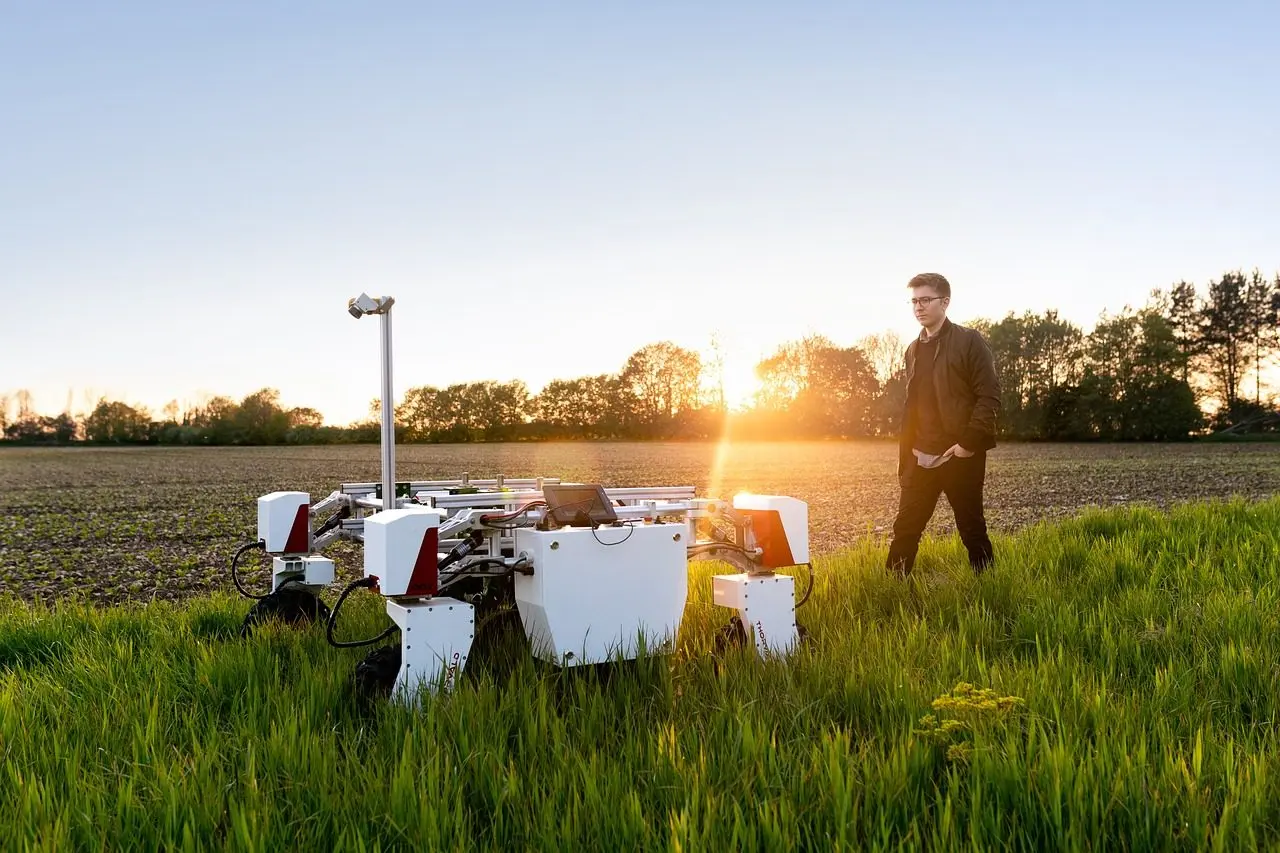
These are devices capable of moving autonomously within factories and warehouses to transport goods and raw materials without direct human control. The biggest difference among them lies in their navigation method and load‑carrying mechanism.

AGV (Automated Guided Vehicle)
AGVs move along predefined paths such as floor‑mounted magnetic tape, QR codes, or laser reflectors. Advantages include stable operation and simple control logic, making them suitable for repetitive production lines. The drawback is that any route change requires re‑laying the tape or reconfiguring waypoints.
AMR (Autonomous Mobile Robot)
AMRs use lidar sensors, cameras, and SLAM algorithms to build maps, navigate autonomously, and avoid obstacles. The robot can detour around people or pallets blocking its path instead of stopping completely. This type is suitable for frequently changing environments such as e‑commerce fulfillment centers or assembly lines with many product codes.
Load‑Carrying Variants
- Back‑carrying robot: transports boxes, trays, components between stations.
- Rack‑lifting robot (jacking): slides under racks, lifts them, and transports the entire rack to the picking location.
- Tugger robot: pulls one or multiple tail‑connected carts, suitable for line feeding.
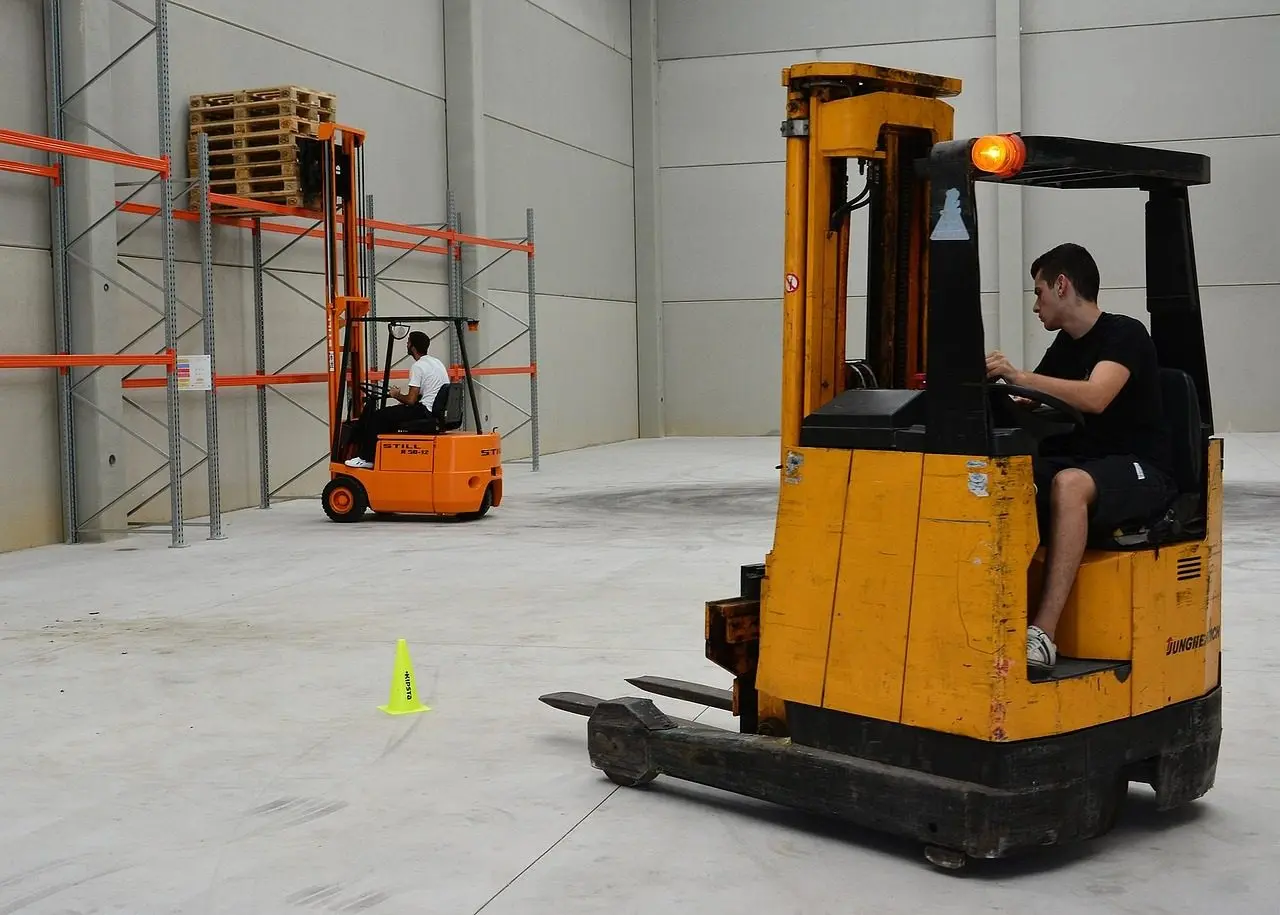
- Autonomous forklift: lifts and lowers pallets, can stack items on multi‑level racks.
- Mobile robot with manipulator arm: moves while picking and placing, used for material feeding or sampling.
Which Type to Choose Based on Hanoi Factory Characteristics
Enterprises in Hanoi and surrounding areas are diverse, ranging from electronic and mechanical factories in industrial zones to distribution warehouses near the city center. Each model aligns with a different group of robots.
Electronic and Component Factories
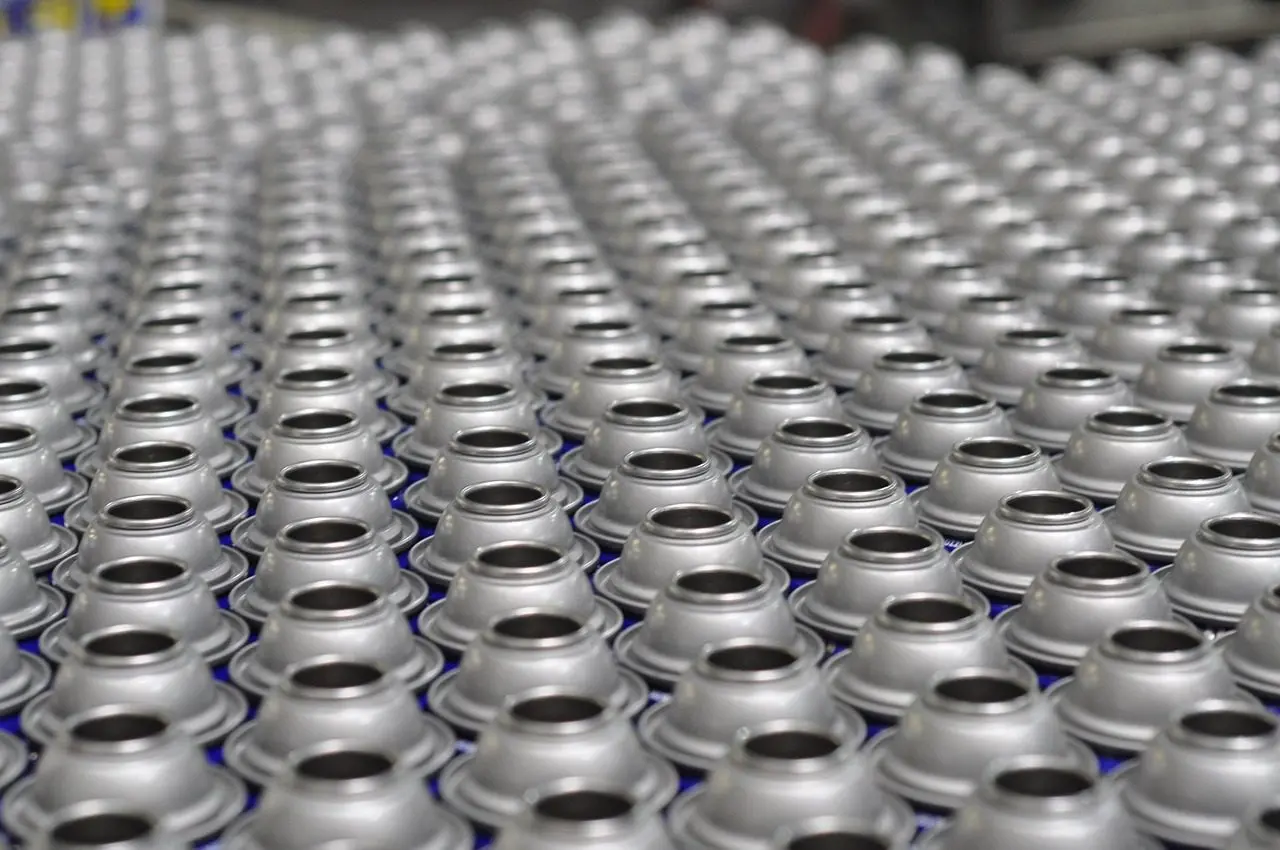
Light goods requiring precise, timely feeding to multiple stations and a clean environment. AMR tray‑carrying robots or tugger carts are usually suitable because they remain flexible when production lines change product codes. Prioritize robots that can integrate with MES systems to receive automatic commands.
Mechanical Workshops and Heavy Material Facilities
Heavy loads, floors may be uneven and oily. Heavy‑duty AGVs or autonomous pallet forklifts are reasonable choices, provided the routes are clearly planned. It is essential to verify floor flatness and wheel load‑capacity.
Warehouses and Distribution Centers
Many warehouses in Hanoi have limited space, narrow aisles, and are frequently reorganized. Rack‑lifting robots in a goods‑to‑person model reduce the walking distance for pickers. In multi‑level pallet warehouses, autonomous forklifts automate inbound and outbound handling.
Companies New to Automation
If the benefits are uncertain, start with one or a few AMRs on a specific route. This approach allows real‑world measurement before scaling up and requires minimal floor modifications.
Technical Criteria for Selecting an Autonomous Industrial Robot
Before comparing quotations, match the equipment against the actual conditions of the factory. The criteria below help avoid purchasing robots that cannot operate or perform poorly.
- Load capacity and item dimensions: determine the maximum weight, pallet, box or rack size, with a safety margin.
- Floor conditions: flatness, slope, joints, elevation changes between areas.
- Navigation method: magnetic tape, QR, or lidar SLAM; assess the extent of future layout changes.
- Safety: sensors for detecting people and obstacles, emergency stop buttons, audible and visual alerts.
- Battery and charging: operation time per charge, ability to autonomously return to charging station, suitability for shift schedules.
- Orchestration software: manages multiple robots simultaneously, traffic routing, integration with elevators and automatic doors.
- System integration: ability to connect with WMS, MES, ERP via open APIs.
- On‑site technical support: whether the supplier has a rapid response team in Hanoi and readily available spare parts.
The final criterion is often overlooked but directly impacts downtime. A good robot that requires a long wait for repairs will disrupt the entire production line.
Suggested Implementation Process for Businesses
Effective deployment of autonomous robots should follow a step‑by‑step approach; purchasing equipment before planning its application is discouraged. The process below helps reduce risk and control costs.
- Current state survey: record material flow, transport frequency, bottlenecks, and floor layout.
- Prioritize the problem: select a high‑frequency, repetitive route that is easy to measure.
- Propose configuration: robot type, quantity, orchestration software, and integration points.
- Pilot test: run on the actual floor, measure productivity, and record issues.
- Training and handover: instruct operators on usage and safety rules when working alongside robots.
- Operation and scaling: monitor data, perform periodic maintenance, and replicate to other routes once efficiency is achieved.
Scenarios Where Investing in Autonomous Robots Is Not Advisable
Not every factory is ready for robots. Early identification of the following situations helps businesses avoid mistimed investments.
- Low, irregular transport volume that current labor handles comfortably.
- Unstandardized internal processes, storage locations change arbitrarily, and there is no identification code.
- Deteriorated floors with many steps or steep slopes lacking renovation plans.
- Factories planning relocation or major layout changes in the near term.
- Lack of personnel responsible for operating and monitoring the system post‑deployment.
In these cases, businesses should prioritize process standardization and floor organization first. Once the foundation is ready, introducing robots will be faster and encounter fewer issues.
Consultation for Choosing Autonomous Robots with Digicorp
DIGICORP Joint Stock Company provides autonomous robots and intelligent automation solutions for businesses, serving Hanoi, Bac Ninh, and Ho Chi Minh City. Digicorp offers comprehensive support from consulting and surveying to deployment and operation, helping enterprises select the right robot based on real‑world challenges rather than generic specifications.
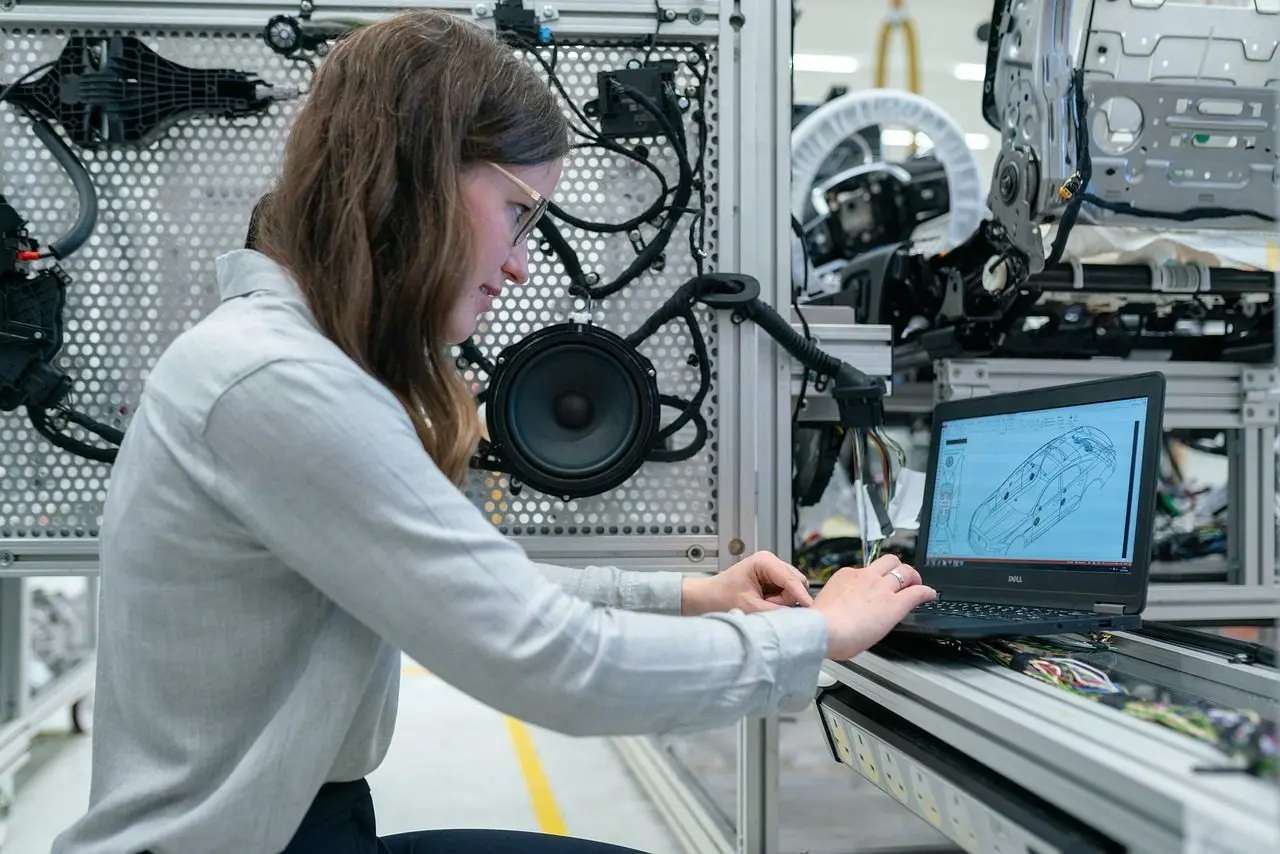
The technical team can assess your floor layout and material flow, proposing a pilot plan suitable for your current scale. The goal is to optimize operational efficiency and build a sustainable foundation for future automation expansion.
If you are weighing AGVs, AMRs, or autonomous forklifts for your factory, contact Digicorp via Hotline 0912345678, email contact@digicorp.vn, or visit our office at 36, Lane 91, Tran Duy Hung Street, Yen Hoa Ward, Hanoi City for detailed consultation.