

In the context of increasingly popular automation, deciding whether to consult on deploying autonomous robots is a decisive factor for production efficiency. The article analyzes evaluation criteria, deployment processes, common risks and mitigation, and provides acceptance and maintenance guidance for businesses to optimize profit.
Consulting on the Deployment of Autonomous Robots: Is It Necessary?
As automation becomes increasingly important across industries, consulting on the deployment of autonomous robots plays a vital role in helping businesses make informed investment decisions. Before adopting robotic technology, companies need to evaluate their operational requirements, infrastructure, investment costs, and expected returns.
This article explores the key evaluation criteria, implementation procedures, common risks, and maintenance strategies involved in deploying autonomous robots. It also provides practical guidance on feasibility assessments and project acceptance to help businesses optimize operational efficiency and maximize their return on investment (ROI).
1. Objectives and Initial Requirements for Autonomous Robot Solutions
1.1. Identify Business and Production Needs
Before selecting a robot, businesses should clearly define their operational objectives. Common goals include increasing productivity, reducing labor costs, improving accuracy, and expanding operational capacity.
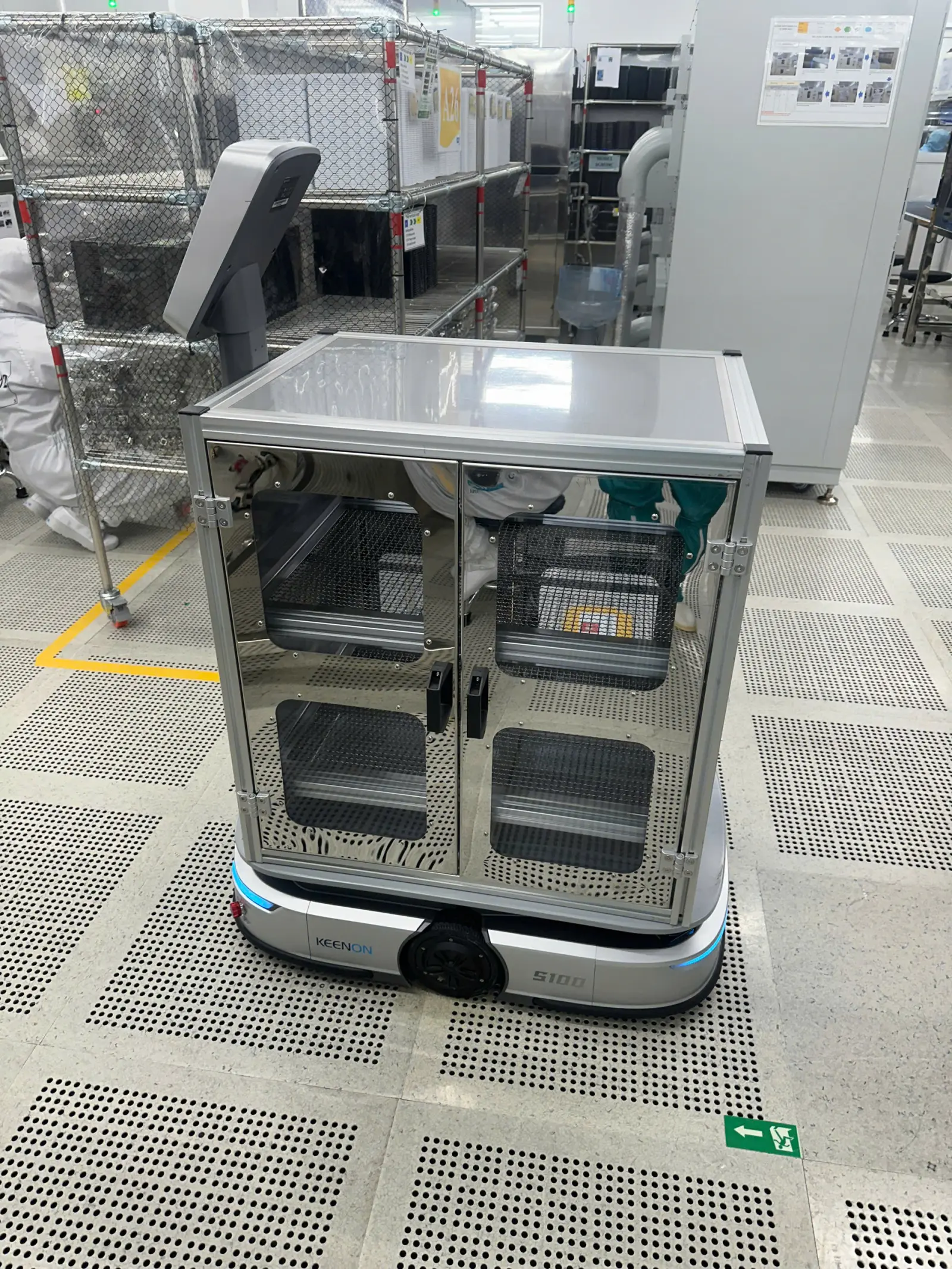
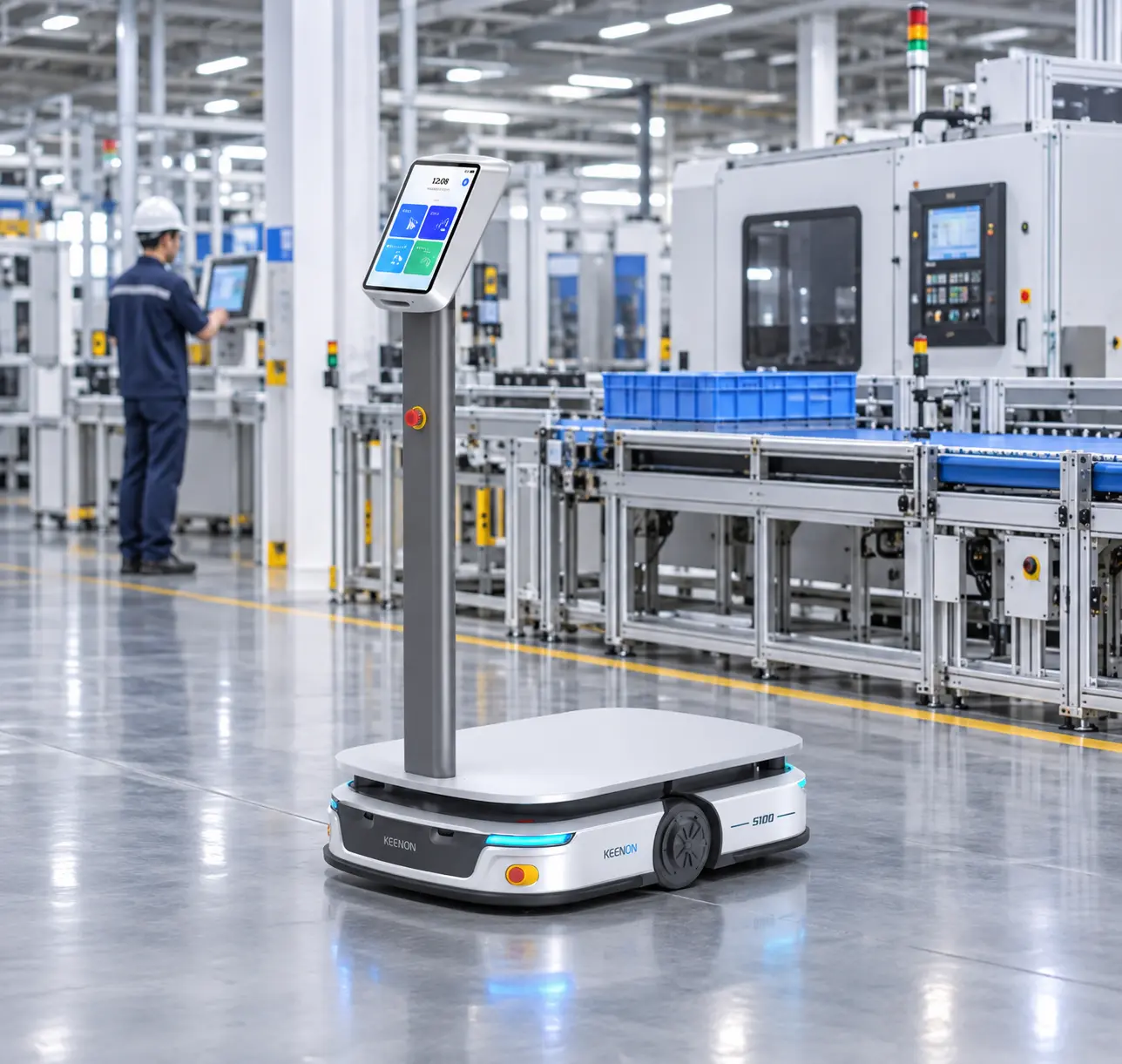
For example, if the primary objective is to reduce material transportation time, an autonomous mobile robot (AMR) may help streamline internal logistics. If the focus is on minimizing operational errors, businesses should consider robots equipped with appropriate sensors, navigation systems, and intelligent control capabilities.
1.2. Assess Existing Operational Processes
A thorough assessment of existing workflows is essential before deploying autonomous robots.
Businesses should analyze each stage of their operations, including material handling, assembly, inspection, internal transportation, and packaging. This process helps identify bottlenecks, unnecessary movement, downtime, and repetitive tasks that could benefit from automation.
Autonomous robots are particularly suitable for repetitive transportation activities, standardized workflows, and environments where materials or goods need to move between predefined locations.
1.3. Key Criteria for Selecting Autonomous Robot Solutions
When evaluating different autonomous robot solutions, businesses should consider the following factors:
Navigation and mobility: Operating speed, navigation accuracy, travel distance, and obstacle avoidance capabilities.
Payload capacity: The maximum weight and dimensions of materials or goods the robot can transport.
Interaction capabilities: Sensors, detection systems, communication interfaces, and integration with human-machine interfaces (HMI).
Reliability: Operating stability, mean time between failures (MTBF), and adaptability to changing environments.
Maintenance requirements: Spare parts availability, technical support, maintenance costs, and operator training.
2. Feasibility Assessment Checklist Before Deploying Autonomous Robots
2.1. Evaluate Space and Infrastructure Requirements
Infrastructure compatibility is one of the most important considerations when deploying autonomous robots.
Businesses should inspect aisle widths, floor conditions, slopes, elevator access, doorways, and the overall layout of the operating environment.
The required aisle width and floor load capacity depend on the robot's dimensions, payload, turning radius, and operating conditions. Therefore, a technical site survey should be conducted to determine whether the existing infrastructure can support the proposed solution.
If necessary, businesses may need to reorganize production lines, modify transportation routes, or upgrade certain infrastructure components before implementation.
2.2. Analyze Investment Costs and ROI
A comprehensive financial assessment helps businesses determine whether autonomous robot deployment is economically viable.
Initial investment costs may include:
Robot procurement and transportation.
Installation and system configuration.
Software integration and customization.
Employee training and technology transfer.
Operating costs may include electricity, routine maintenance, spare parts, software services, and technical support.
Businesses can use the following formula to estimate ROI:
ROI = (Financial Benefits - Total Investment Cost) / Total Investment Cost × 100%
The evaluation should consider expected labor savings, productivity improvements, reduced operational errors, and long-term maintenance expenses.
A realistic ROI assessment should also account for the expected payback period and the actual operating conditions of the business.
2.3. Check Safety Requirements and Regulatory Compliance
Safety is essential when autonomous robots operate alongside employees, customers, or other equipment.
Before deployment, businesses should evaluate:
Obstacle detection and collision avoidance systems.
Emergency stop functions.
Speed limitations and restricted operating zones.
Warning indicators and safety notifications.
Safe interaction between robots and human operators.
Depending on the robot category and application, relevant technical standards may include ISO 10218, ISO 3691-4, and applicable electrical and machinery safety regulations.
A qualified technical team should identify the standards applicable to the specific deployment environment rather than assuming that one standard covers every type of autonomous robot.
3. The Autonomous Robot Deployment Process
3.1. Project Planning and Requirement Definition
A structured autonomous robot deployment process begins with clear project objectives and implementation requirements.
Businesses should define the project scope, timeline, budget, expected performance indicators, and responsibilities of each stakeholder.
The project team should involve technical engineers, operational managers, IT personnel, and employees who will directly work with the robots.
Setting SMART objectives (Specific, Measurable, Achievable, Relevant, and Time-bound) helps ensure that project outcomes can be evaluated effectively.
3.2. Hardware and Software Integration
After selecting the appropriate robot, the next step is to configure its hardware and software according to actual operating requirements.
Depending on the application, autonomous robots may need to integrate with:
PLC and SCADA systems.
Warehouse management systems (WMS).
Enterprise resource planning (ERP) platforms.
Elevators, automatic doors, and access control systems.
Centralized robot fleet management software.
The integration process should include navigation configuration, transportation routes, task assignment, communication protocols, and error-handling mechanisms.
Comprehensive testing is necessary to verify system compatibility and ensure stable operation before official deployment.
3.3. Employee Training and Technology Transfer
Successful automation requires more than installing robots. Employees must understand how to operate, monitor, and maintain the equipment.
Training programs should cover:
Basic robot operation and task assignment.
Charging procedures and battery management.
Navigation monitoring and obstacle handling.
Basic troubleshooting and error notifications.
Routine inspection and maintenance procedures.
Businesses should assign trained personnel to supervise robot operations and ensure that technical knowledge is transferred to the relevant teams.
4. Common Challenges When Deploying Autonomous Robots and How to Prevent Them
4.1. Insufficient Employee Training
One common challenge when deploying autonomous robots is the lack of operational knowledge among employees.
Without proper training, staff may operate the robots incorrectly, fail to recognize warning signals, or struggle to handle unexpected situations. This can lead to downtime and additional maintenance costs.
Recommended solution: Provide hands-on training, clear operating instructions, and practical troubleshooting guidelines before handing over the system.
4.2. Inadequate Infrastructure Preparation
Autonomous robots may encounter difficulties when operating in environments with narrow aisles, uneven floors, unsuitable slopes, or frequently changing layouts.
These conditions can affect navigation accuracy, transportation efficiency, and operational safety.
Recommended solution: Conduct a detailed technical site survey before purchasing equipment. Test actual transportation routes and make necessary infrastructure adjustments before full deployment.
4.3. Ineffective Data and Fleet Management
As the number of autonomous robots increases, managing operational data and coordinating multiple units becomes more complex.
Without an appropriate management system, businesses may struggle to monitor robot performance, identify operational bottlenecks, and optimize transportation schedules.
Recommended solution: Implement suitable fleet management software to monitor robot status, assign tasks, analyze operational data, and coordinate multiple robots efficiently.
5. Robot Acceptance, Maintenance, and Upgrade Strategies
5.1. Robot Acceptance and Performance Evaluation
Before officially handing over the system, businesses should conduct acceptance testing based on the agreed technical specifications and project requirements.
Key evaluation criteria include:
Navigation accuracy and route consistency.
Transportation speed and payload capacity.
Obstacle detection and safety performance.
Task execution and response time.
Charging performance and operating duration.
Integration with existing infrastructure and software.
All test results should be documented in an acceptance report. Any outstanding technical issues should be addressed before final handover.
5.2. Periodic Maintenance and Technical Support
Regular maintenance helps maintain robot performance and reduce unexpected downtime.
A maintenance schedule should be developed according to the manufacturer's recommendations and actual operating intensity.
Routine inspections may include:
Checking electrical connections and charging contacts.
Cleaning sensors and navigation components.
Inspecting wheels, casters, and mechanical parts.
Checking battery condition and charging performance.
Updating software and reviewing system notifications.
For example, quarterly inspections may be appropriate for certain components, while frequently used parts may require more regular checks.
Maintaining a detailed service history also helps businesses identify recurring problems and plan preventive maintenance.
5.3. Software Upgrades and System Expansion
As business requirements evolve, autonomous robot systems may need to be upgraded or expanded.
Software updates can improve navigation, task coordination, system compatibility, and operational functionality.
When businesses increase production capacity or expand their facilities, they should reassess the existing robot fleet and consider adding units, upgrading equipment, or integrating more advanced automation technologies.
6. Digicorp Robotics – Consulting & Deployment Partner
6.1. Comprehensive Services
Digicorp Robotics offers everything from needs analysis, system design, robot procurement, installation, training, to maintenance and upgrades. Their engineering team has over 10 years of automation experience.
6.2. Working Process
Survey current state and define objectives.
Propose solutions and develop a detailed plan.
Ensure compliance with safety standards.
Train staff and hand over the system.
Provide maintenance support and software updates.
Contact & Request a Demo
To experience the solution firsthand, register a demo at digicorp.vn or call us directly. Our consultants will help schedule a session and present tailored solutions.
Digicorp Robotics | Giải Pháp Robot Tự Động Hóa Thông Minh
(+84) 901 725 399
contact@digicorp.vn
Representative Office: 36/91 Tran Duy Hung Street, Yen Hoa, Hanoi, Vietnam
Hanoi Office: Viwaseen Tower, 48 To Huu Street, Dai Mo, Hanoi, Vietnam
Ho Chi Minh City Office: 105A Truong Thi Hoa Street, Tan Thoi Hiep, Ho Chi Minh City, Vietnam
Bac Ninh Office: BT17, Dau Ma Street, Vu Ninh, Bac Ninh, Vietnam
https://digicorp.vn