


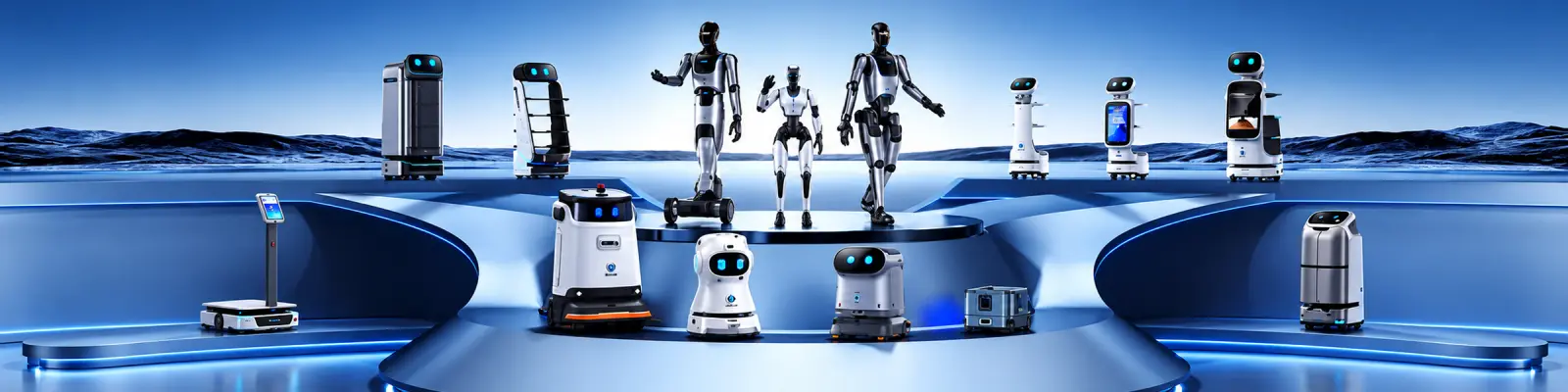
Autoxing Robotics
Autoxing Robotics – Autonomous robot solutions for smart factories
Autoxing Robotics provides autonomous robots for two factory needs: transporting materials on racks and lifting, moving compatible shelves. Four models AX6113, AX6114, AX8112, and AX8114 are presented according to material supply and internal logistics tasks.
1. Choosing Autoxing Robotics robots based on material flow
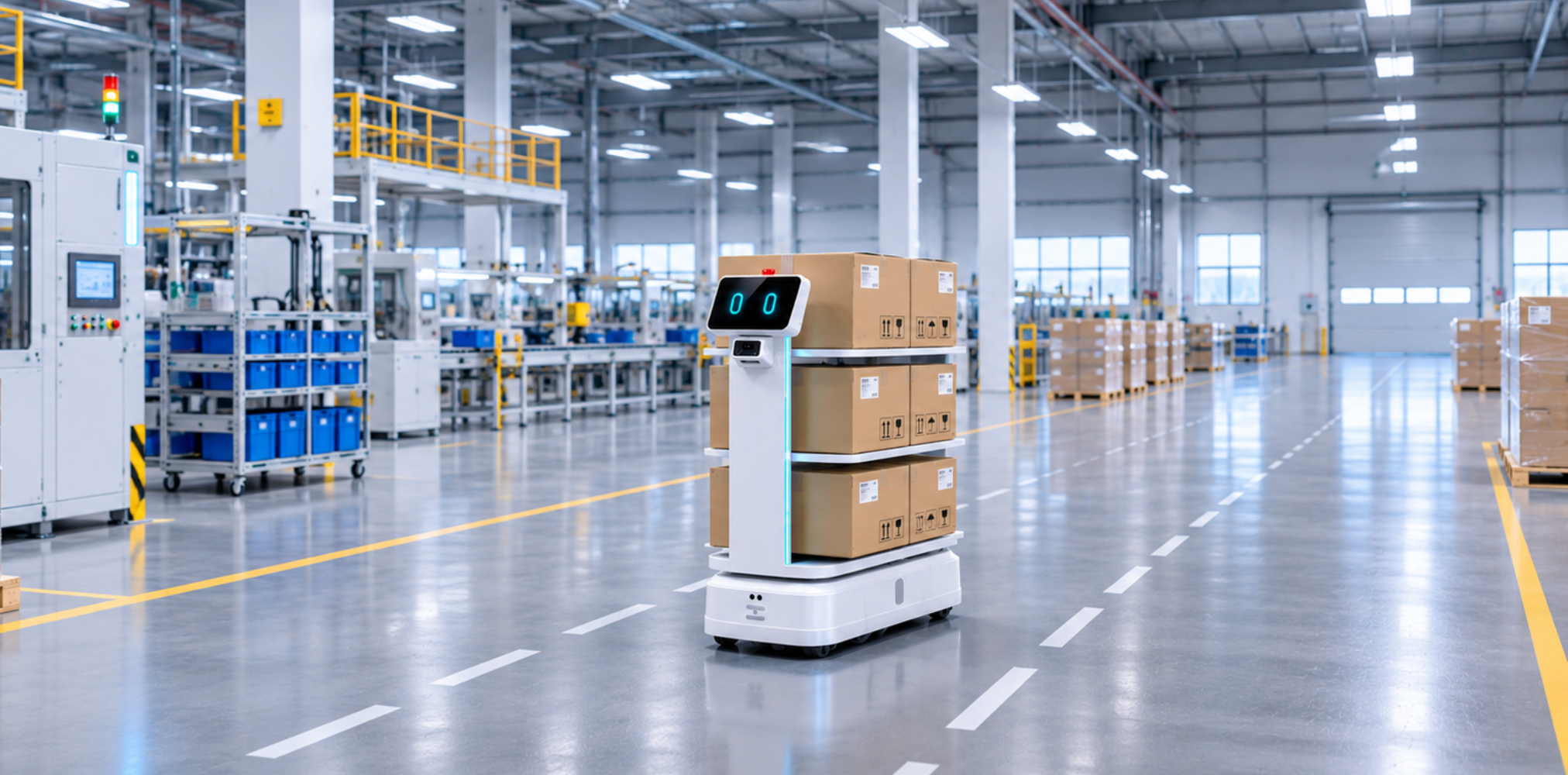
AX6113 and AX6114 are suitable for transporting trays, containers, or packages on rack configurations. AX8112 and AX8114 focus on lifting and moving entire compatible shelves. Determine the unit of goods to be moved, payload, and handover method before selecting a model; do not apply a single version’s specifications across the entire AX line.
2. Key Autoxing Robotics technologies
Intelligent navigation and floor adaptability
Autonomous robots use environmental maps to locate themselves and plan routes. Information from the manufacturer about the L300 line (AX8112) confirms the ability to deploy without fixed QR codes or reflectors, supporting route changes when conveyor layouts shift. Surveying and mapping still need to be performed according to on-site conditions.
Simultaneous coordination of multiple robots
Autoxing introduces the TCS (Task Control System) to allocate tasks, plan routes, and manage the movement flow of the robot fleet. When multiple devices operate simultaneously, the system coordinates intersection points and crowded areas to reduce route conflicts.
Integration capabilities and centralized monitoring
According to the manufacturer’s documentation on the AX8112, the system supports connections to MES, ERP, WMS, automatic doors, and elevators. Managers can monitor status and coordinate via computer or mobile device. Integration with existing systems must be confirmed according to each project’s configuration and protocols.
Design suited for industrial transport
The industrial robot line is developed to handle various needs: transporting goods directly on trays or racks, lifting compatible shelves, and moving materials between stations. Safety features, shock reduction, autonomous charging, or peripheral connectivity must be verified per model.
3. Autoxing robot lines at Digicorp Robotics
AX6113 – Transporting materials on multi-level shelves
AX6113 factory robot is designed to transport materials on shelves, suitable for component trays, boxes, and raw materials that need to be moved between stations. It is a solution for material supply or semi-finished product transfer processes that require spatial distribution of goods.
AX6114 – Flexible industrial transport
AX6114 factory robot focuses on transporting industrial goods and materials. Companies choose the rack configuration that matches product dimensions, payload, and actual movement flow.
AX8112 – Autonomous rack-lifting robot
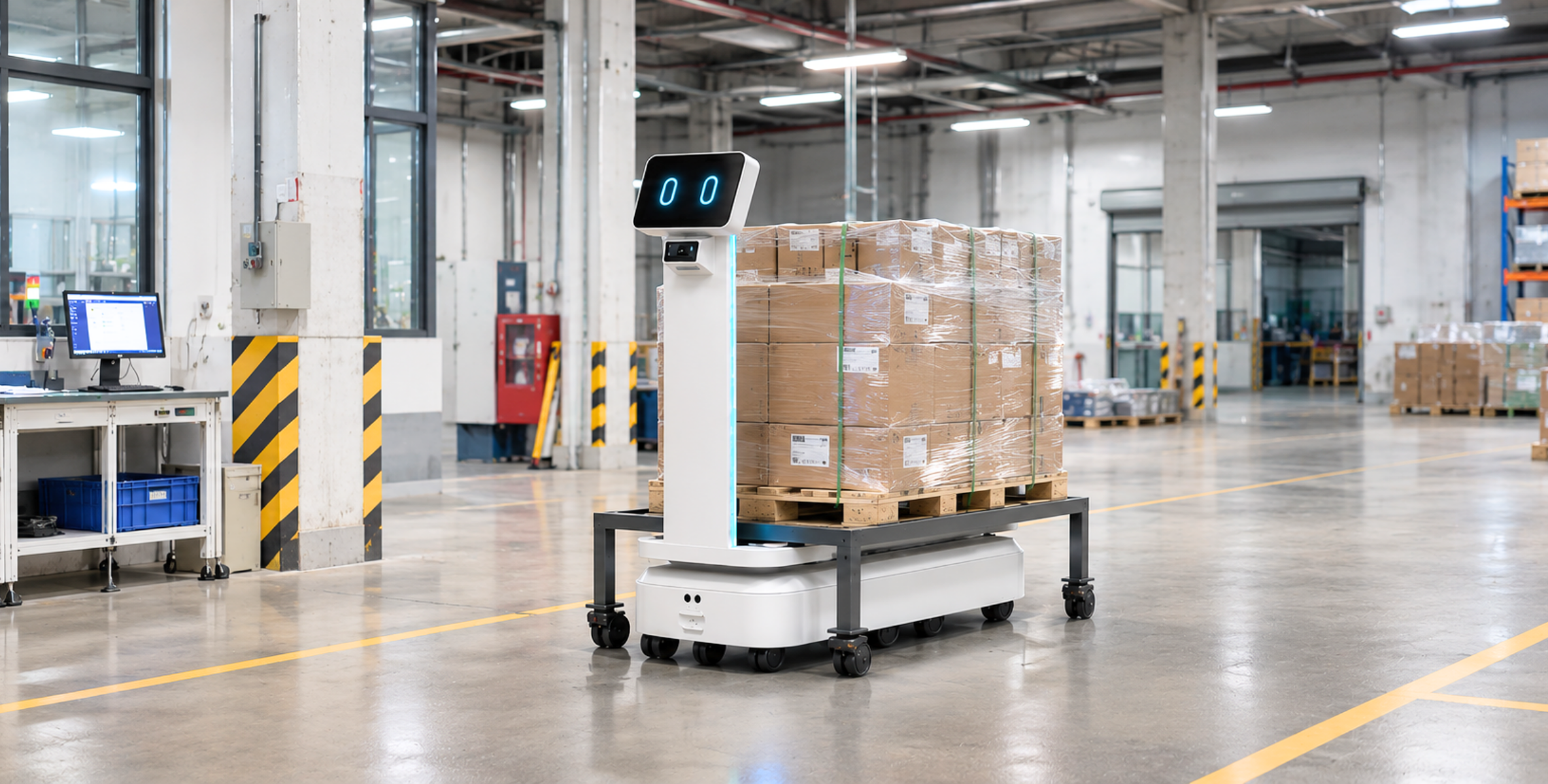
AX8112 factory robot is introduced by the company with the L300 version, a 300 kg payload, capable of passing aisles 70 cm wide, overcoming 20 mm height differences, and a maximum slope of 8° as per published data. The robot supports lifting compatible shelves and centralized coordination. Other versions should be verified against their respective datasheets.
AX8114 – Compact rack-lifting robot
AX8114 factory robot belongs to the shelf lift and transport solution group per Digicorp product documentation. Its streamlined design suits automated shelf movement needs; shelf dimensions and access conditions should be checked before deployment.
4. Comparison and selection of the appropriate model
Model | Primary task | Selection criteria |
|---|---|---|
AX6113 | Transporting materials on multi-level shelves | Tray type, item dimensions |
AX6114 | Transporting industrial goods | Rack configuration, item size |
AX8112 | Lifting and transporting shelves | Payload, aisle width, compatible shelves |
AX8114 | Lifting and rotating shelves | Shelf dimensions, coordination plan |
Do not choose a robot solely based on maximum payload. Evaluate overall transport frequency, distance, floor conditions, operating hours, and the ability to integrate with current management systems.
5. Applications and benefits in the factory
Material supply for production lines
Robots assist in moving raw materials, component trays, and semi-finished products between the warehouse and workstations, organizing material flow according to production needs.
Warehouse and internal logistics
Automate the movement of shelves or goods between storage, staging, and handover areas. The solution reduces repetitive work, but investment effectiveness depends on throughput and integration level.
Learn more about robot solutions for smart factories to determine the appropriate approach for your enterprise size.
6. Frequently Asked Questions
Does the robot require changes to the factory floor plan?
Depends on the model and real conditions. Autonomous technology can reduce the need for fixed routing infrastructure, but companies still need to survey aisle width, floor condition, rack structure, loading/unloading zones, and operational safety.
Can multiple robots be combined in a single factory?
Yes, the company offers a TCS robot fleet coordination system. The number of devices and connectivity capability must be designed according to work volume, map, and chosen configuration.
7. Digicorp Robotics – Partner for Autoxing Robotics solutions
Digicorp Robotics partners with businesses from site surveys, flow analysis, and robot selection to deployment, training, and technical support. Solutions are built based on actual needs rather than applying the same configuration to every factory.
Contact Digicorp Robotics to receive consulting on Autoxing Robotics solutions tailored to your company’s operating processes.