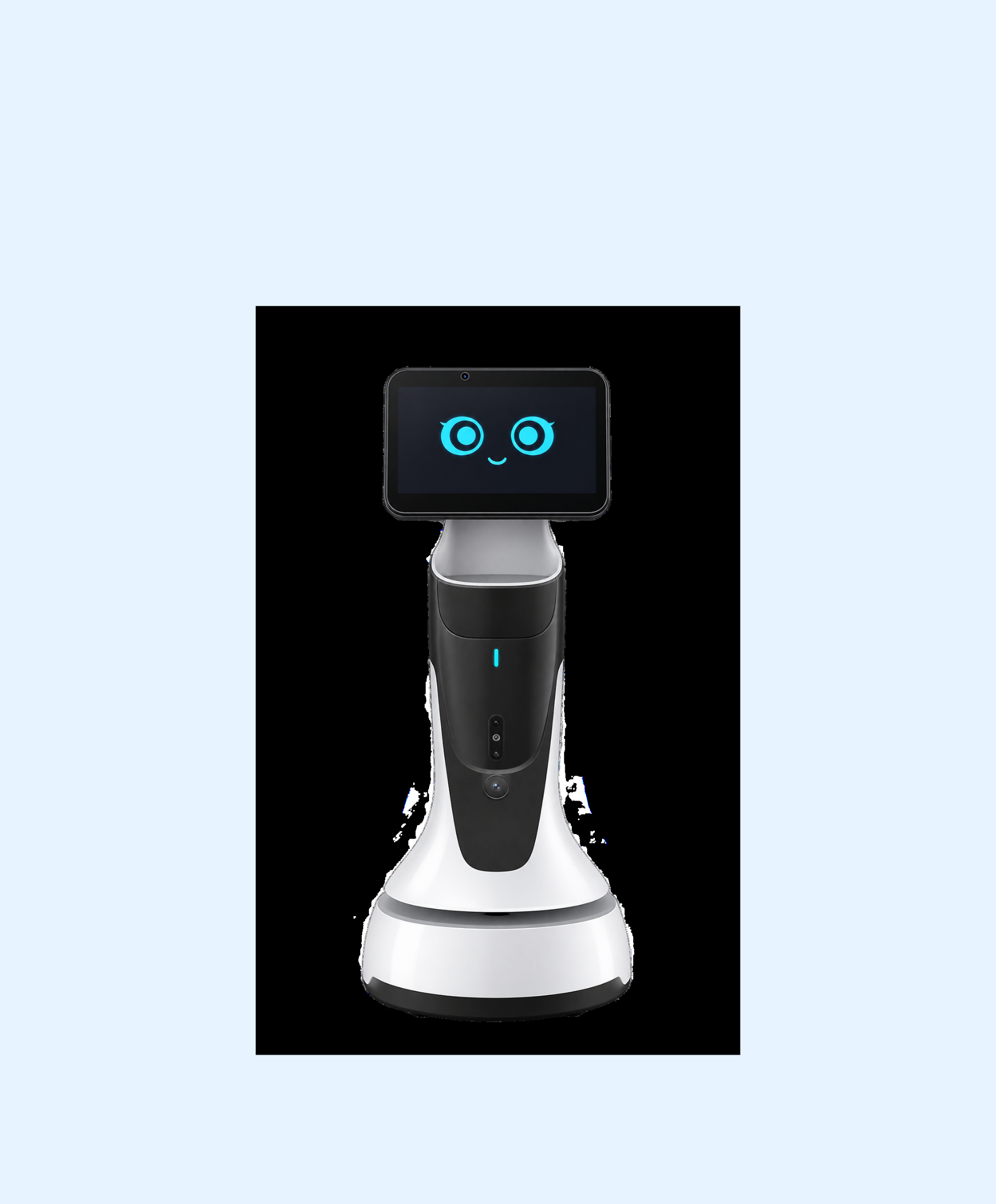
GreetingBot Mini Robot
Compact and Versatile


Compact and Versatile
Reception robot assists in greeting, providing information, interacting, and guiding customers in corporate lobbies, hotels, showrooms, and shopping centers. By combining a screen, voice, and navigation capabilities tailored to each model, the device standardizes repetitive service tasks while staff focus on specialized requests.
These are service robots that support the first points of contact with customers. They can provide pre‑configured information, present content, execute greeting scripts, or guide visitors using maps. Unlike fixed kiosks, some models are mobile, autonomously navigating to designated locations.
Their ability to answer questions depends on language, data, software, and real‑world configuration. Reception robots do not replace the entire front desk workforce, especially when customers require complex issue handling.
GreetingBot Nova from OrionStar supports voice communication in over 30 languages, a 14‑inch Full HD screen, and customizable content. According to the manufacturer, the robot deploys without markers and returns to its charging station when battery falls below 10%. It is suitable for reception lobbies, exhibitions, and information points frequented by international guests.
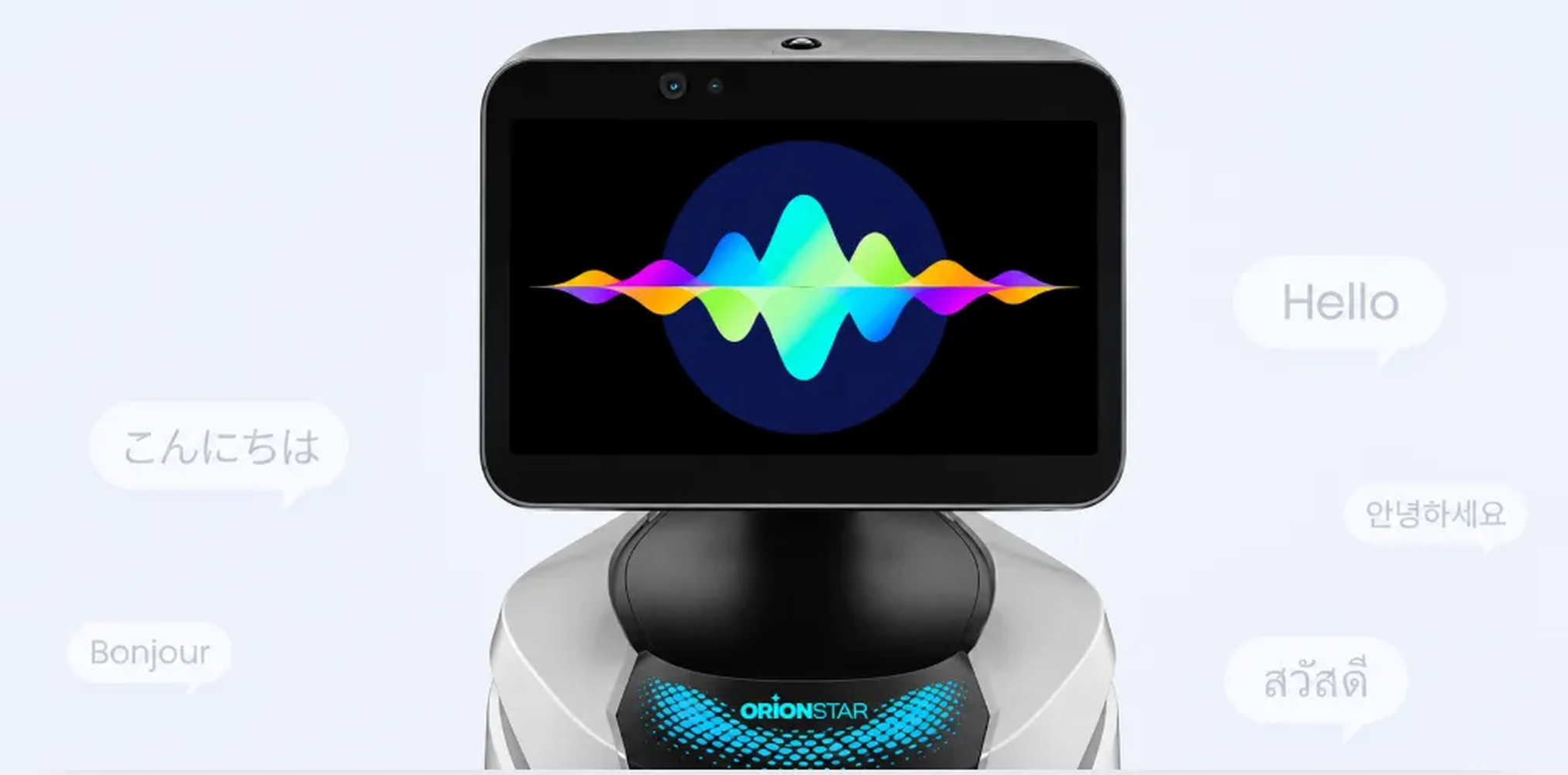
GreetingBot Mini supports multilingual communication and guides visitors along pre‑set routes. The company specifies a minimum aisle width of 55 cm; its compact design suits retail spaces, reception areas, and locations with limited passageways.
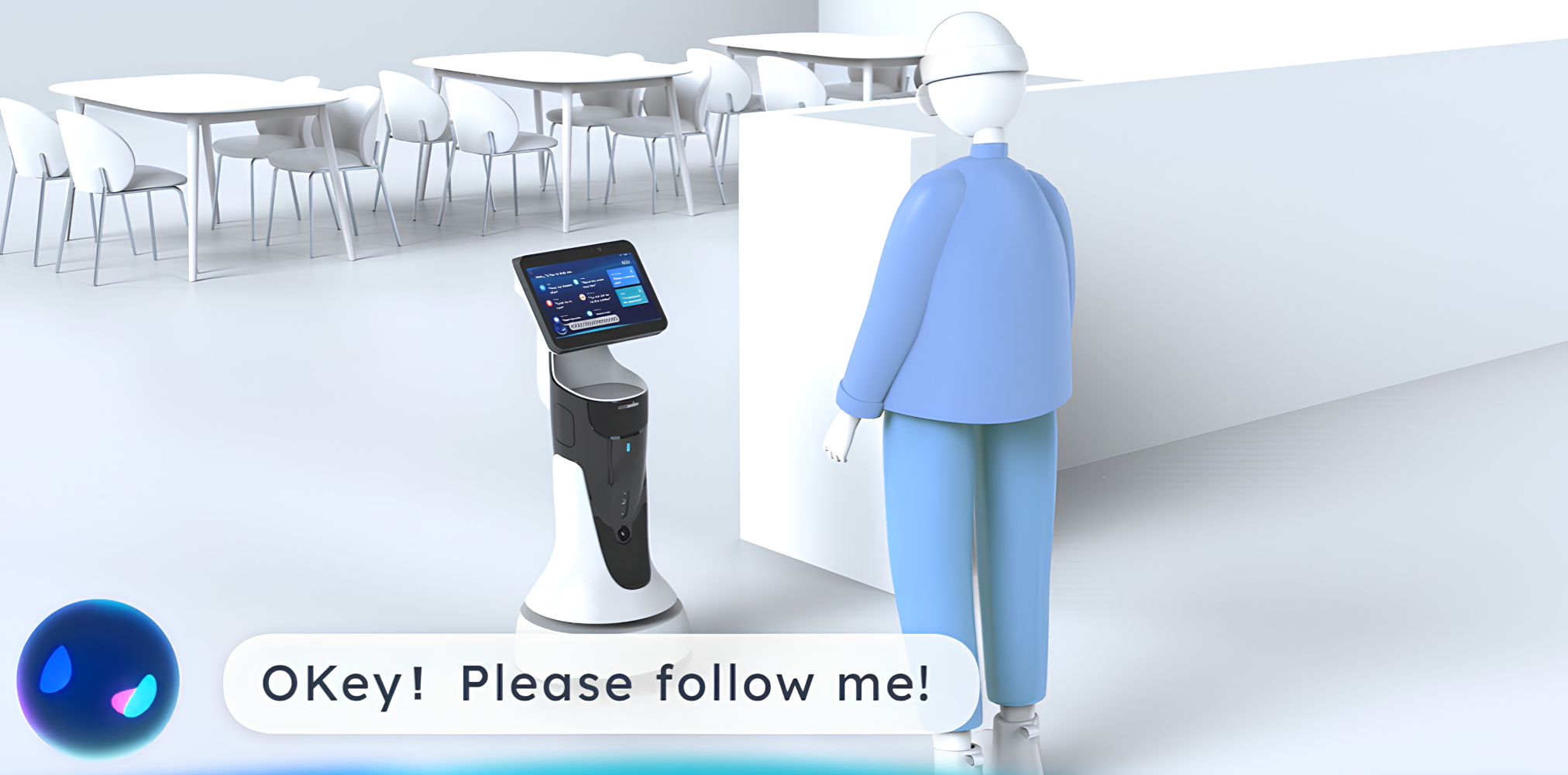
Y120 reception robot supports greeting, information presentation, narration, and guided routing based on Digicorp’s product configurations. Remote recognition and management capabilities must be verified per version; not all functions are enabled by default in every deployment.
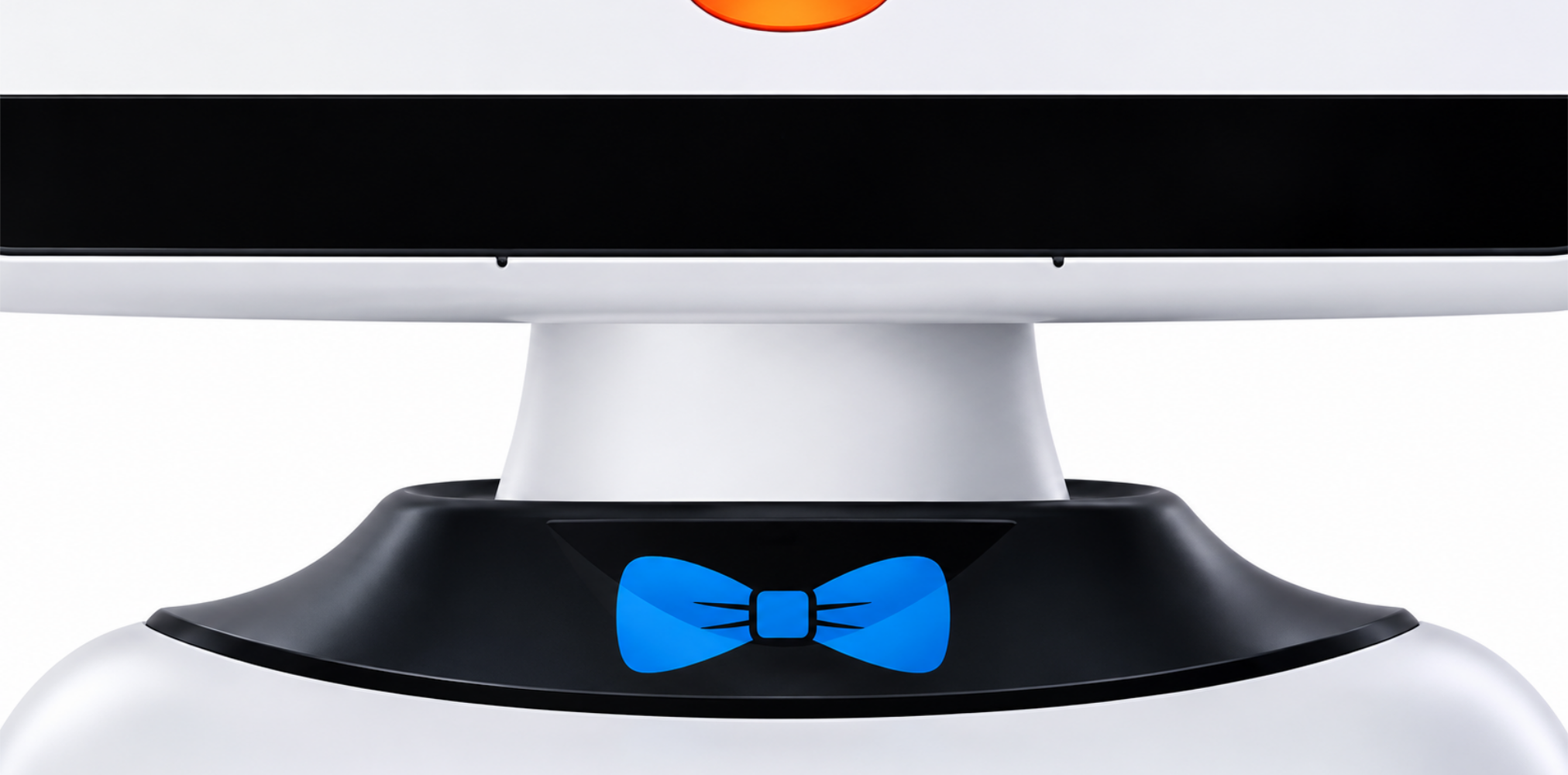
Robots can combine voice communication with visual content on a screen. Depending on the version, businesses configure FAQs, service information, and introduction scripts tailored to their target clientele. AI features must be vetted for language, accuracy, and data source before deployment.
Leveraging maps and sensor systems, robots navigate to designated points, pause at presentation spots, and guide visitors. Route surveys, obstacle detection, crowd density, and charging station locations must be assessed. Personal recognition features should be implemented in line with the company’s privacy and security policies.
Model | Key Features | Suitable Use Cases |
|---|---|---|
Nova | Multilingual communication, 14‑inch screen | Large lobbies, international guests, exhibitions |
Mini | Compact design, 55 cm aisle | Retail stores, restricted lobbies |
Y120 | Interaction, introduction, narration | Showrooms, scripted information points |
Nova and Mini specifications are cross‑checked from OrionStar Robotics. Y120 parameters should be verified against version‑specific documentation. Selection should be based on language, interaction scripts, space, and integration requirements.
Hotels and Buildings: greet guests, introduce amenities, and direct them to functional areas. See smart building solutions.
Showrooms and Exhibitions: introduce products, narrate, and guide tours.
Restaurants and Retail: provide information, promote programs at touchpoints.
Healthcare Facilities: guide verified administrative information, but do not replace professional advice.
Businesses can streamline repetitive tasks, deliver consistent information, and create fresh interactive experiences. Return on investment depends on visitor volume, content quality, device suitability, and staff coordination processes.
Digicorp Robotics assists with site surveys, model selection, interaction script development, deployment, and operation guidance. Contact Digicorp Robotics for consultation and to register for a tailored solution experience.