


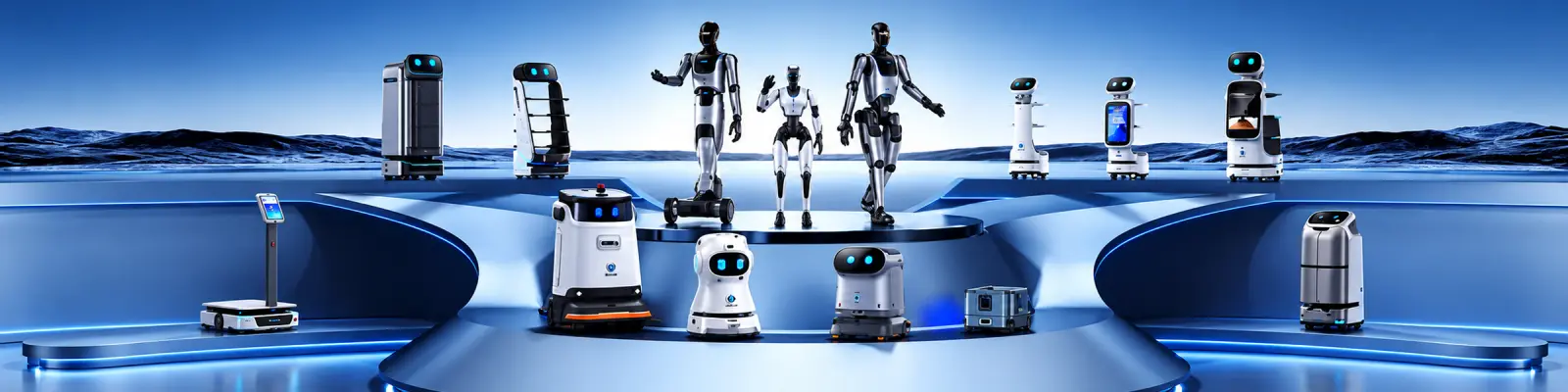
Factory Robot
Factory Robot – Internal Logistics Automation Solution
Factory robots assist in transporting raw materials, components, shelving and finished products between warehouses, production lines, and hand‑off points. Digicorp Robotics offers self‑driving mobile robot solutions, shelf‑lifting robots and automatic pallet trucks, enabling businesses to choose options that match load capacity, floor layout, and material flow.
1. What is a factory robot?
In this category, factory robots focus on internal logistics, not all types of industrial robots. AMRs are autonomous mobile robots that use positioning and routing systems; AGVs typically operate on predefined routes and guided pathways. The classification depends on the manufacturer’s technology and configuration.
Robots can perform repetitive tasks based on pick‑up points, drop‑off points, load weight, and item type. Staff still need to prepare goods, supervise operations, and handle situations beyond the automation scope.
2. Prominent factory robot groups
Material and tray transport robots
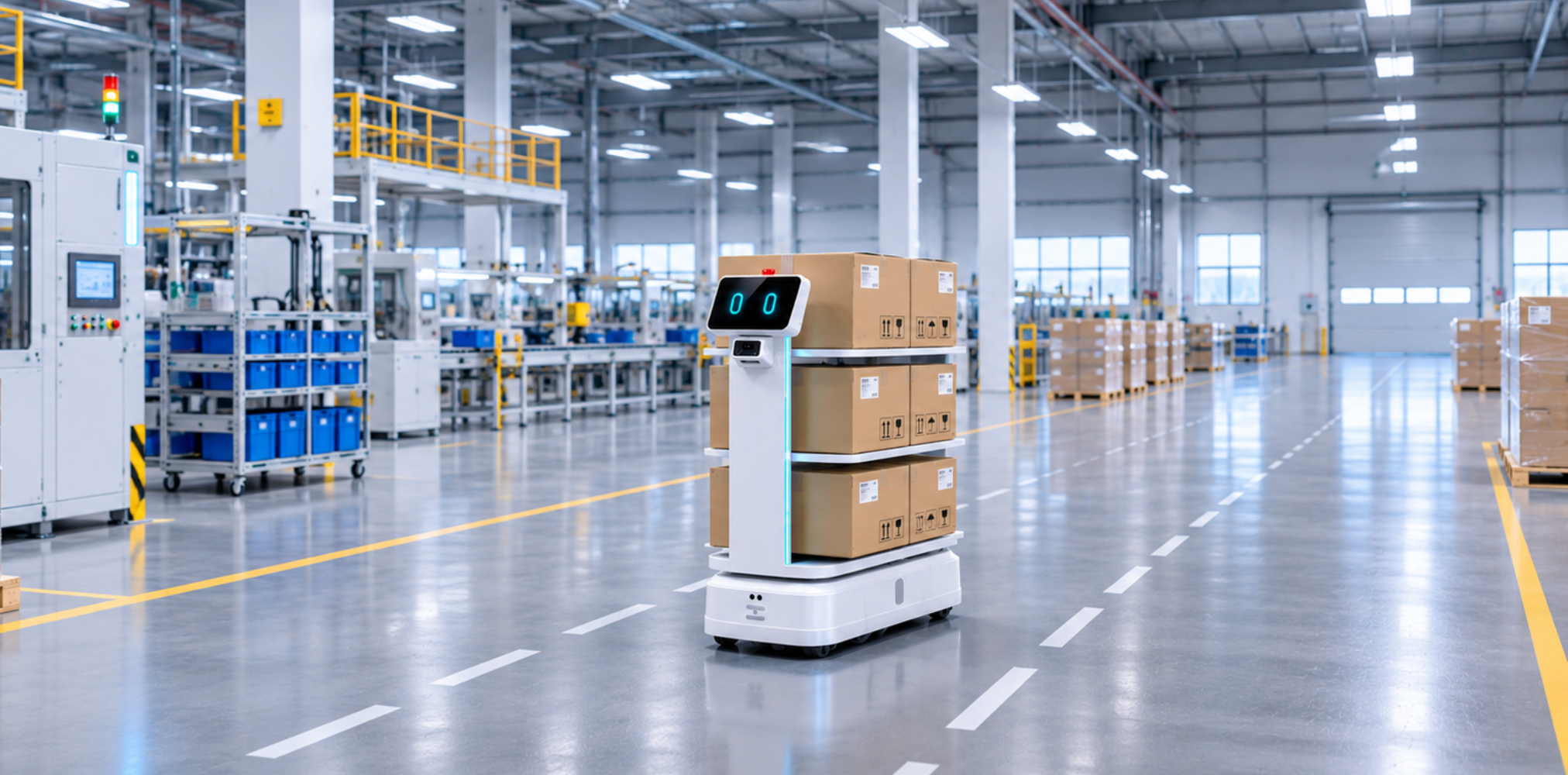
Robots equipped with shelves or platforms facilitate the movement of components, trays, and boxes between stations. The Autoxing AX6113 and AX6114 series, together with the Keenon S100, are options depending on item type and load capacity.
Autonomous shelf‑lifting robots
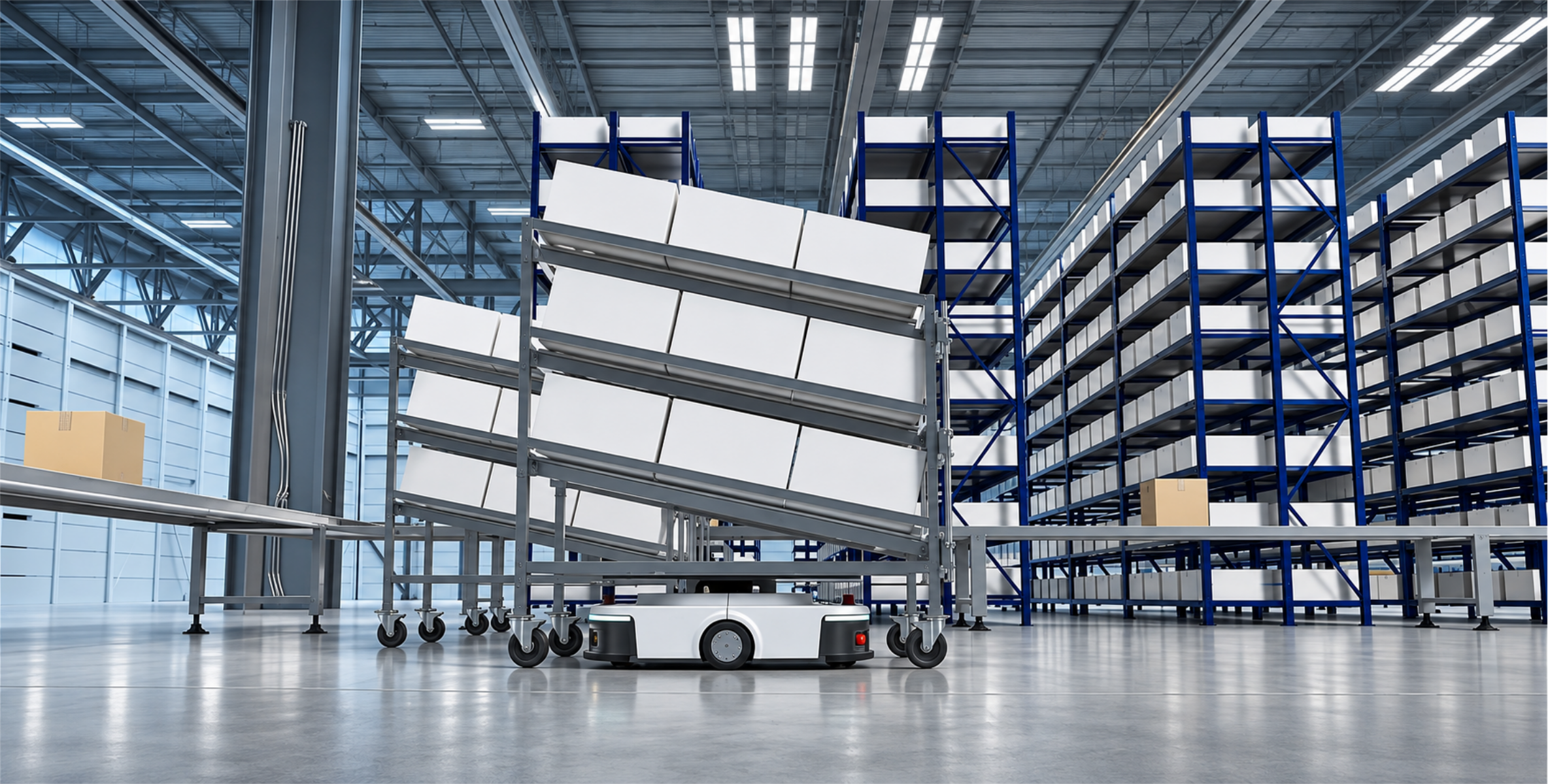
Shelf‑lifting robots assist in accessing, lifting, and moving compatible racks, fitting the flow of goods between warehouse and production line. Digicorp offers Autoxing AX8112, AX8114, Mairui L2/L3/L5, Lanxin 3400L/3620L, and Keenon S300 models. Each model has its own load capacity, lifting mechanism, and rack requirements.
Automatic pallet trucks
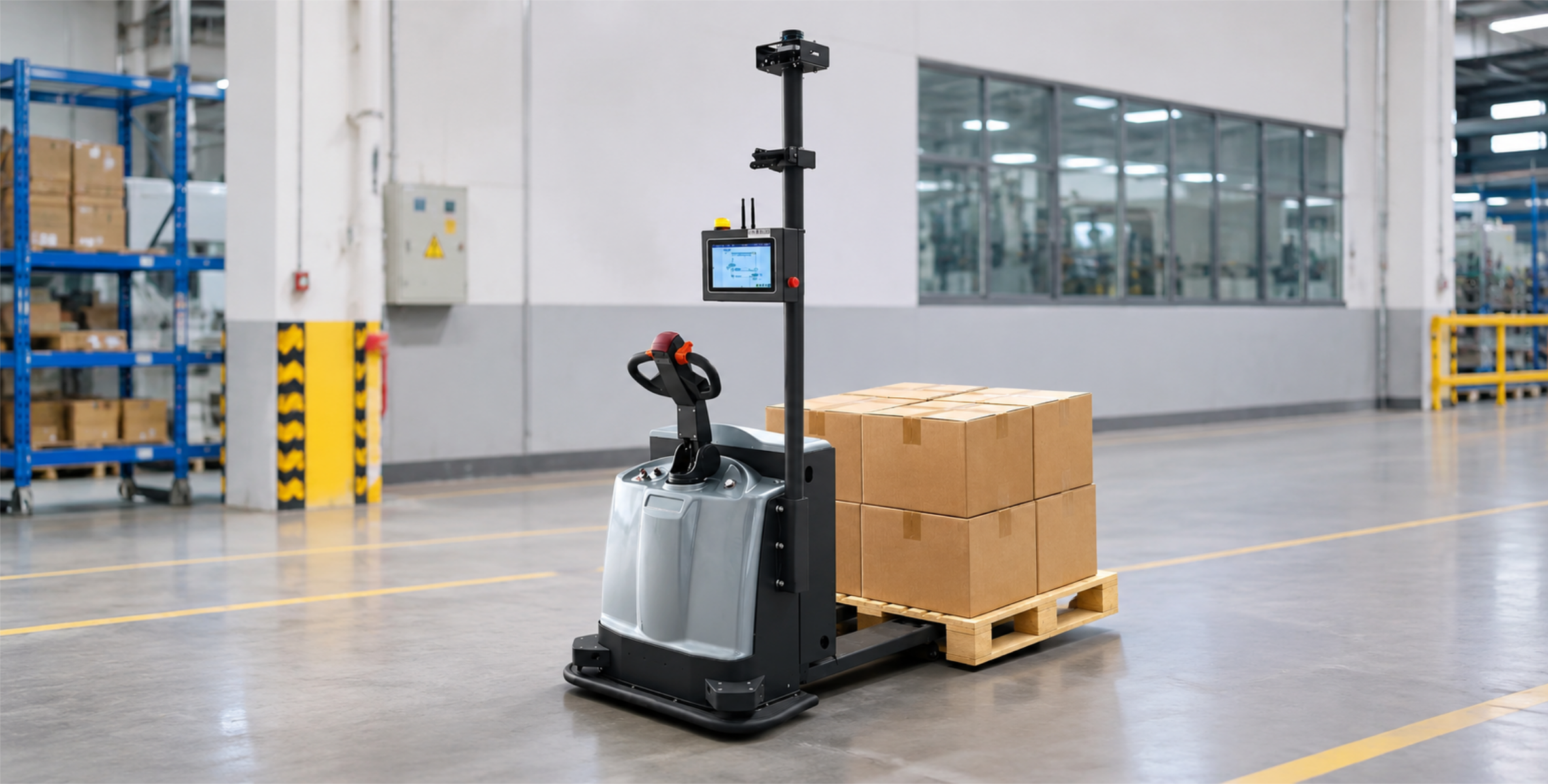
When goods are placed on compatible pallets, automatic pallet trucks can handle floor‑level pallet movement or lifting tasks as designed. The SuperAnt SA‑FP(A)200 and Mairui LF5 are solutions to be evaluated based on pallet type, load capacity, and lift height; they are not automatically replacements for high‑rack stackers.
3. Brand ecosystem at Digicorp Robotics
Brand | Product line | Key demand |
|---|---|---|
AX61xx, AX81xx | Material transport and shelf lifting | |
L2, L3, L5, LF5 | Shelf and pallet lifting | |
VMR-FR3400L, VMR-FR3620L | Shelf lifting, 400 and 600 kg capacity | |
SA-FP(A)200 | Pallet transport | |
S100, S300 | Goods transport and shelf lifting |
Model and load specifications are cross‑checked against Digicorp’s catalog and the manufacturers’ websites, for example Lanxin VMR-FR3620L. Specific configurations should be confirmed before ordering.
4. Technology and system integration
Navigation, perception and coordination
Depending on the model, robots use Laser SLAM, QR codes, vision systems, or other positioning methods. Sensors aid obstacle detection; a multi‑robot coordination system can assign tasks and manage traffic routes. Safety depends on device configuration, floor layout, and practical operating measures.
Connecting production and warehouse systems
Some solutions support integration with MES, ERP, WMS, or automatic doors and elevators. Protocols, APIs, and existing systems must be reconciled before designing integration. Not all robots support the same connectivity standards by default.
5. Deployment applications and benefits
Material supply: move components from warehouse to production stations on demand.
Semi‑finished goods circulation: link processes with clear hand‑off points.
Finished goods warehouse: transport racks or pallets to consolidation areas.
Robots can reduce repetitive transport tasks and maintain a stable material flow. Return on investment depends on throughput, travel distance, shift schedules, equipment cost, integration, and maintenance.
6. Digicorp Robotics – Partner for implementing factory robot solutions
Digicorp Robotics partners from site survey, material‑flow analysis and model selection to deployment, testing, training, and contractual technical support. See also smart factory solutions and contact Digicorp Robotics for consultation.