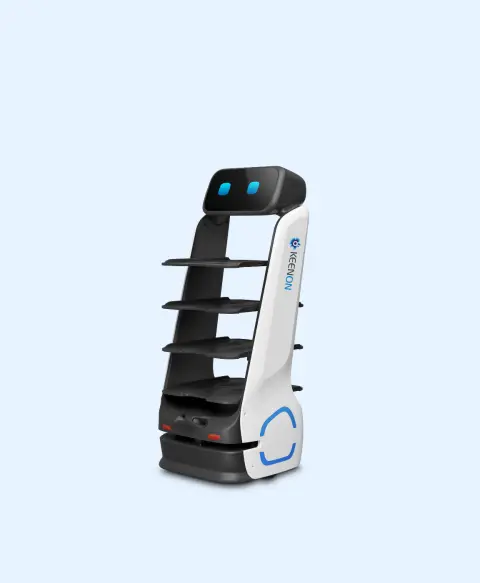
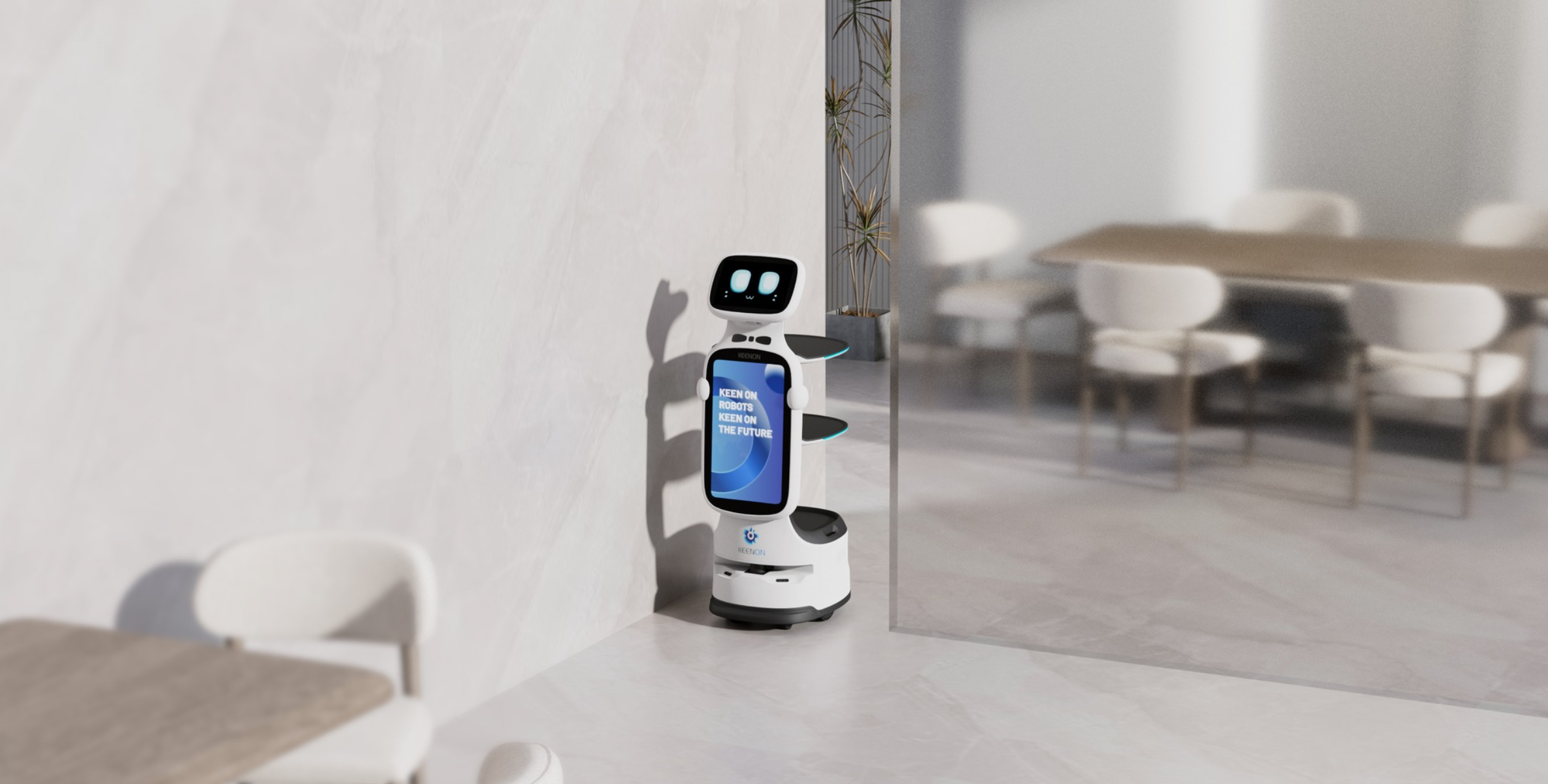
T9 Serving Robot
Giao hàng đa tầng, phục vụ thông minh



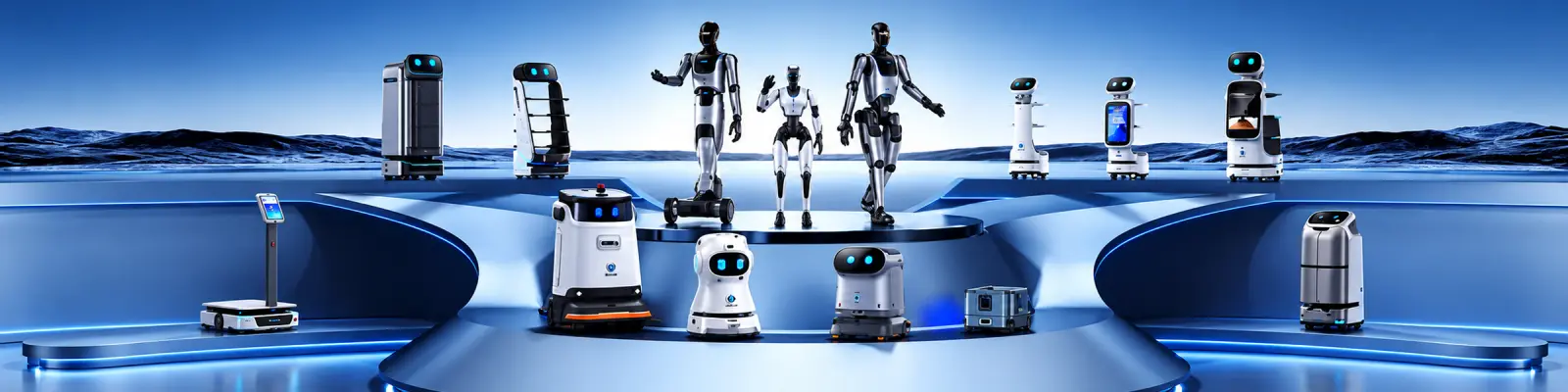
Giao hàng đa tầng, phục vụ thông minh
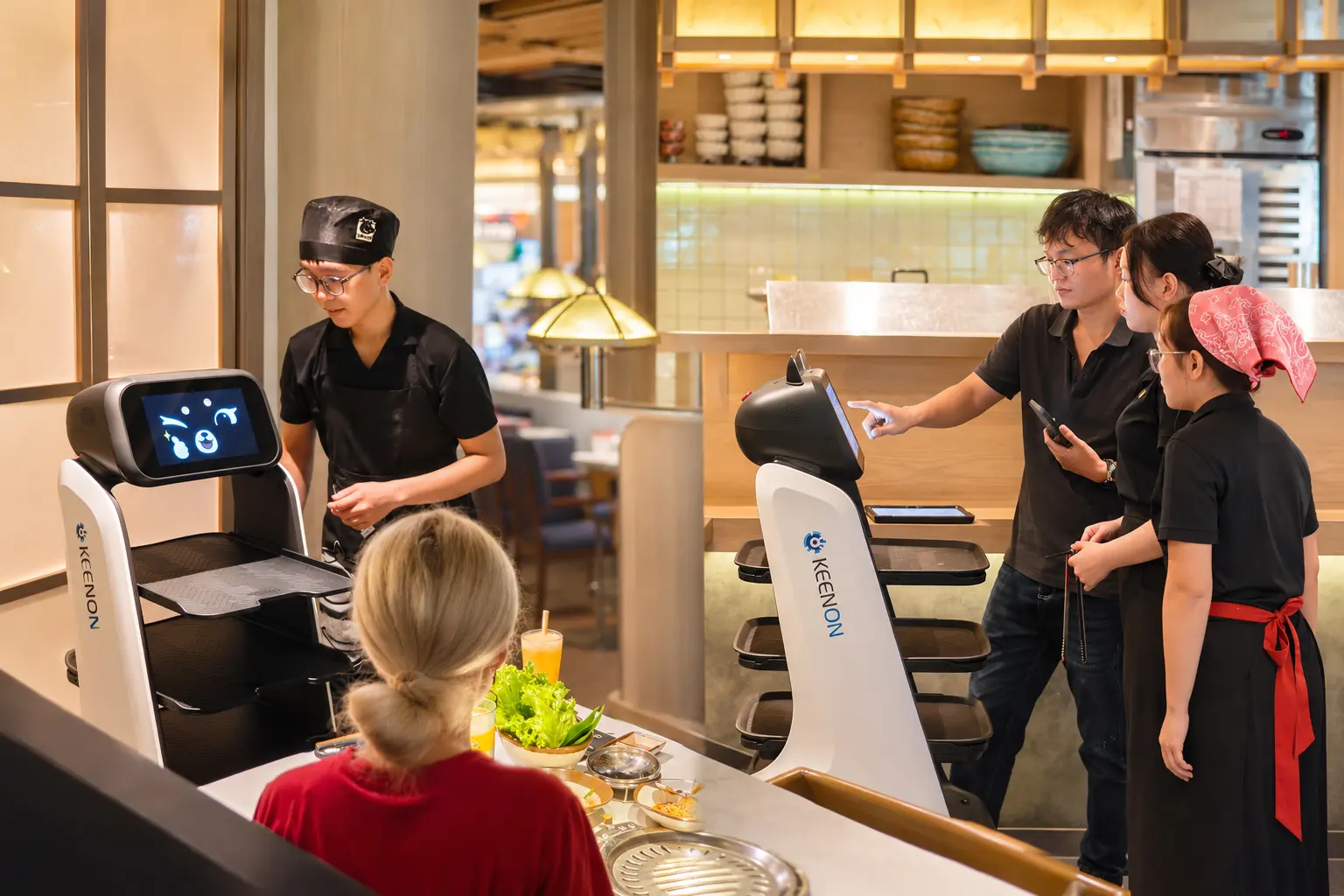
Restaurant robots assist in transporting dishes, collecting utensils and handling handovers between the kitchen and service areas. Instead of having staff perform every movement, businesses can assign robots specific tasks, allowing the team to focus on guest care and duties that require direct interaction.
These are a group of autonomous mobile service robots that use navigation software, sensors, and a carrier tray to deliver food or items to predefined locations. Staff prepare the dish on the tray, select a task, and the robot receives or places the dish on the table according to the restaurant’s workflow.
Robots do not cook food, do not replace the entire service operation, and cannot guarantee food hygiene unless tray, surface, and operating area cleaning procedures are followed.
Robot phục vụ T9 has a total load capacity of 40 kg, with multiple adjustable tray levels, suitable for restaurants that need to transport many dishes. The manufacturer specifies a 10 kg load per level; selection and load distribution should follow the operating guidelines.
Robot phục vụ T10 combines transportation with a 23.8‑inch screen for interaction and promotional content display. The device is suitable for restaurants that want to add a brand touchpoint during service.
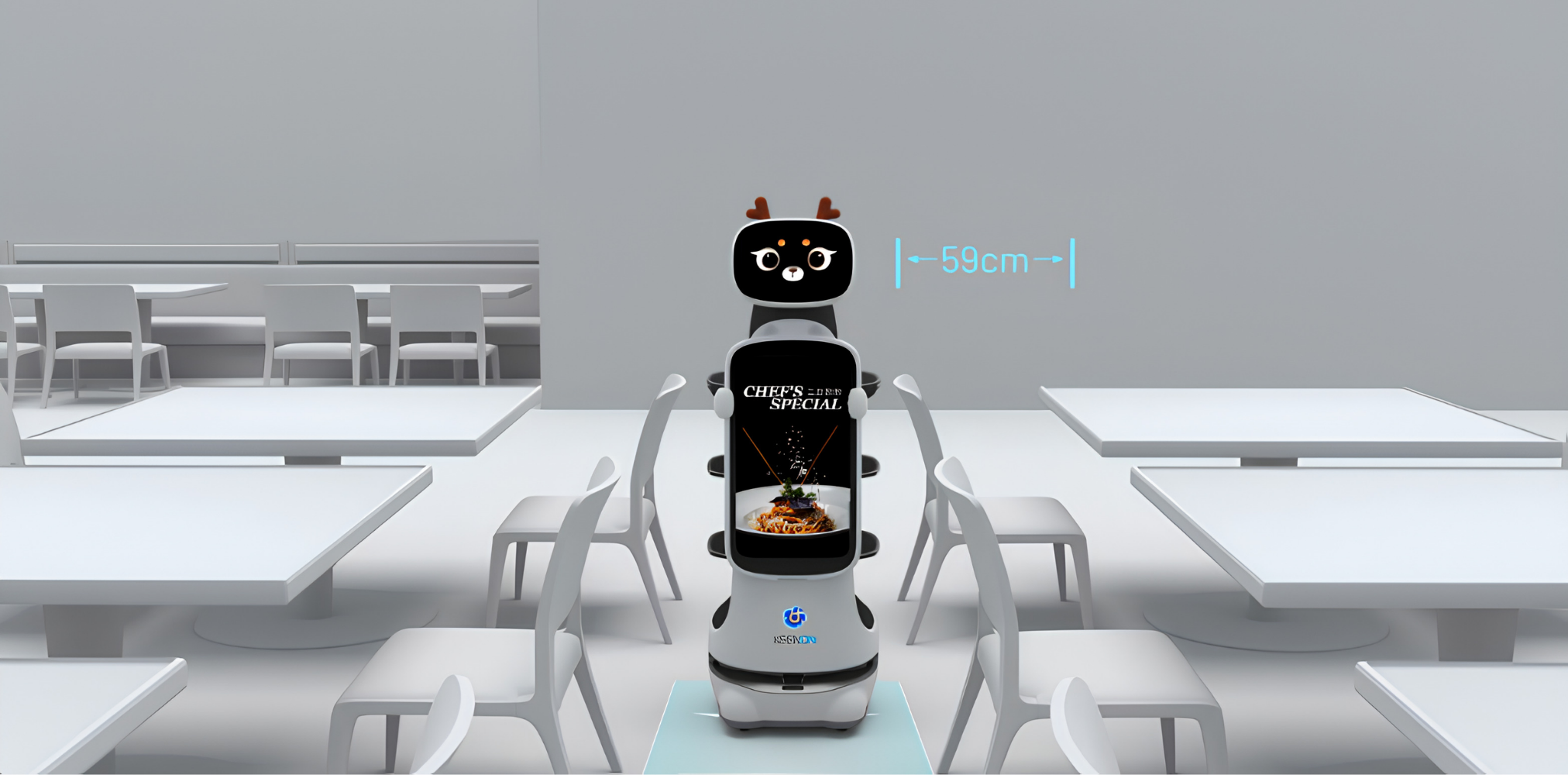
Robot phục vụ T11 features a compact design, five stereo sensors and VSLAM, supporting a minimum pathway width of 49 cm as stated by the manufacturer. It is a worthwhile option for spaces with dense table arrangements or limited aisle width.
Model | Key Differences | Suitable Use Cases |
|---|---|---|
T9 | Total load capacity 40 kg | Transport many dishes, high frequency |
T10 | 23.8‑inch screen, interactive | Service combined with promotion |
T11 | Minimum aisle width 49 cm | Small spaces and narrow aisles |
Specifications are referenced from the official Keenon website. When selecting a restaurant robot, each area should be surveyed, taking into account turning space, actual aisles when occupied by guests, and handover locations.
Depending on the model, robots use sensors and positioning systems to follow maps, detect obstacles, and adjust routes. Operational zones, speed, and procedures for blocked pathways must be configured.
Robots assist in moving dishes, drinks, or utensils according to tasks in restaurants, cafés, buffets, and food courts. Staff coordination processes determine how effectively the device can be utilized.
Models with screens can display content introducing dishes, promotions, and brand messaging as configured. Promotional content should be brief, clear, and not disrupt the handover process.
Optimize labor: reduces repetitive movements by staff.
Standardize service: set handover points and align with service workflows.
Customer experience: adds interaction points and brand recognition.
Investment effectiveness depends on the number of transports, distances, floor layout, staff count, and implementation costs. It should not rely on generic savings estimates or assume robots replace a fixed number of employees. Businesses can measure dish delivery time, transport frequency, and staff feedback during a trial phase.
Digicorp Robotics advises on robot selection, floor surveys, task setup, staff training, and technical support according to product policies. Refer to the smart restaurant solutions to explore suitable application options.
Contact Digicorp Robotics for restaurant robot solution consulting and to schedule a demo tailored to your needs.