

Can Service Robots Replace Restaurant Staff?
A practical guide to assigning repeatable trips to service robots while staff handle guests, handovers and exceptions.
Service robots do not replace the whole team
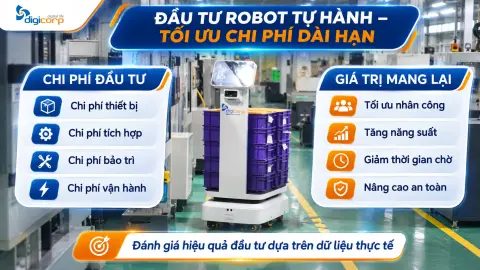
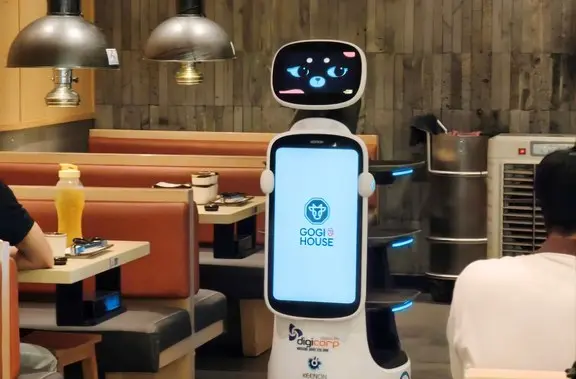
A service robot is best suited to repeatable transfers between designated points. Staff still load trays, check orders, serve guests and handle exceptions. A pilot should measure whether the robot reduces unnecessary walking, not assume that it replaces a fixed number of roles.
Tasks to assign to a service robot
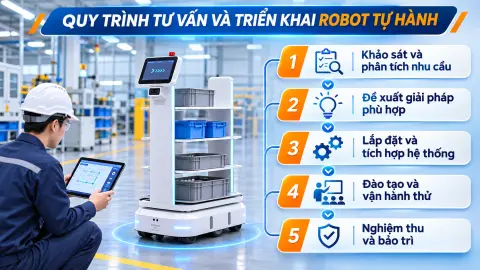
Start with one route from the kitchen to a staffed service station, or from a dish return point to the wash area. Use compatible trays and containers. Staff still load, unload and verify what is being carried. A defined handover point avoids sending the robot to search for a recipient during busy service.
Tasks that should stay with staff
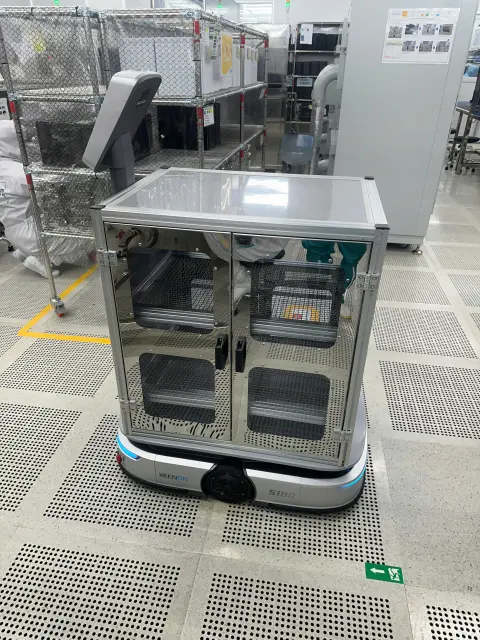
Staff should handle allergies, order changes, complaints and unexpected guest requests. Only assign display or guidance duties if the model supports them and the venue has tested the workflow. For hot, spill-prone or bulky loads, evaluate the container and handover process before assigning the trip to a robot.
Measure results during real service
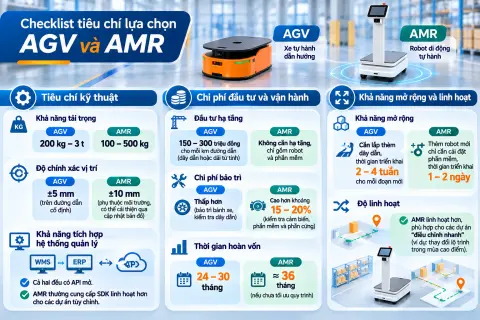
Compare shifts with similar guest and order volumes. Track completed trips, waiting at the kitchen and service station, staff interventions and feedback from the team. If the robot is regularly waiting to be unloaded, fix the handover before deciding whether to buy more units.
When should a venue hold off on scaling?
If aisles are frequently blocked, crossings have poor visibility or trays are not prepared consistently, address those issues first. Decide who can stop a trip and who receives the load when the station layout changes. Expand only once the pilot route is stable and the team understands its responsibilities.